Polish authorities have formally charged a woman following a disturbing incident involving an attack on Ukrainian children at a playground in Bydgoszcz, a major city in northern Poland. The case has drawn significant national attention after Prime Minister Donald Tusk publicly condemned the attack, calling it an “anti-Polish act” that contradicts the fundamental values of Polish society. The incident highlights ongoing tensions and challenges surrounding the integration of Ukrainian refugees who have sought shelter in Poland since the outbreak of the full-scale Russian invasion in February 2022.
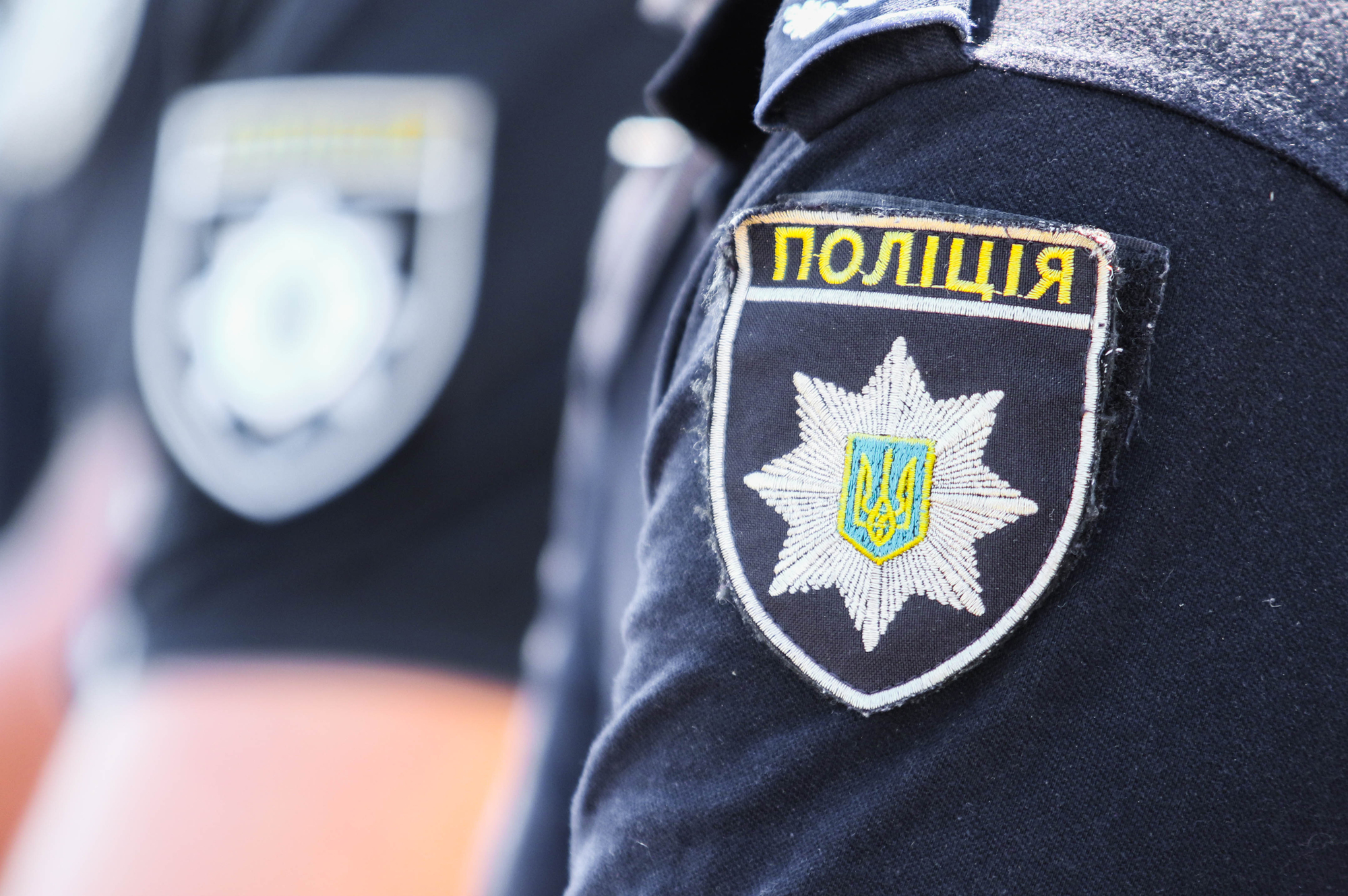
The attack reportedly occurred at a children’s playground, where Ukrainian minors became targets of aggression from an adult woman. While specific details of the incident are still emerging, local police moved swiftly to identify and charge the suspect. Law enforcement officials have emphasized their commitment to protecting all children within Polish borders, regardless of their nationality or background. The rapid response from authorities underscores Poland’s official stance of zero tolerance toward xenophobic violence.
Prime Minister’s Strong Condemnation
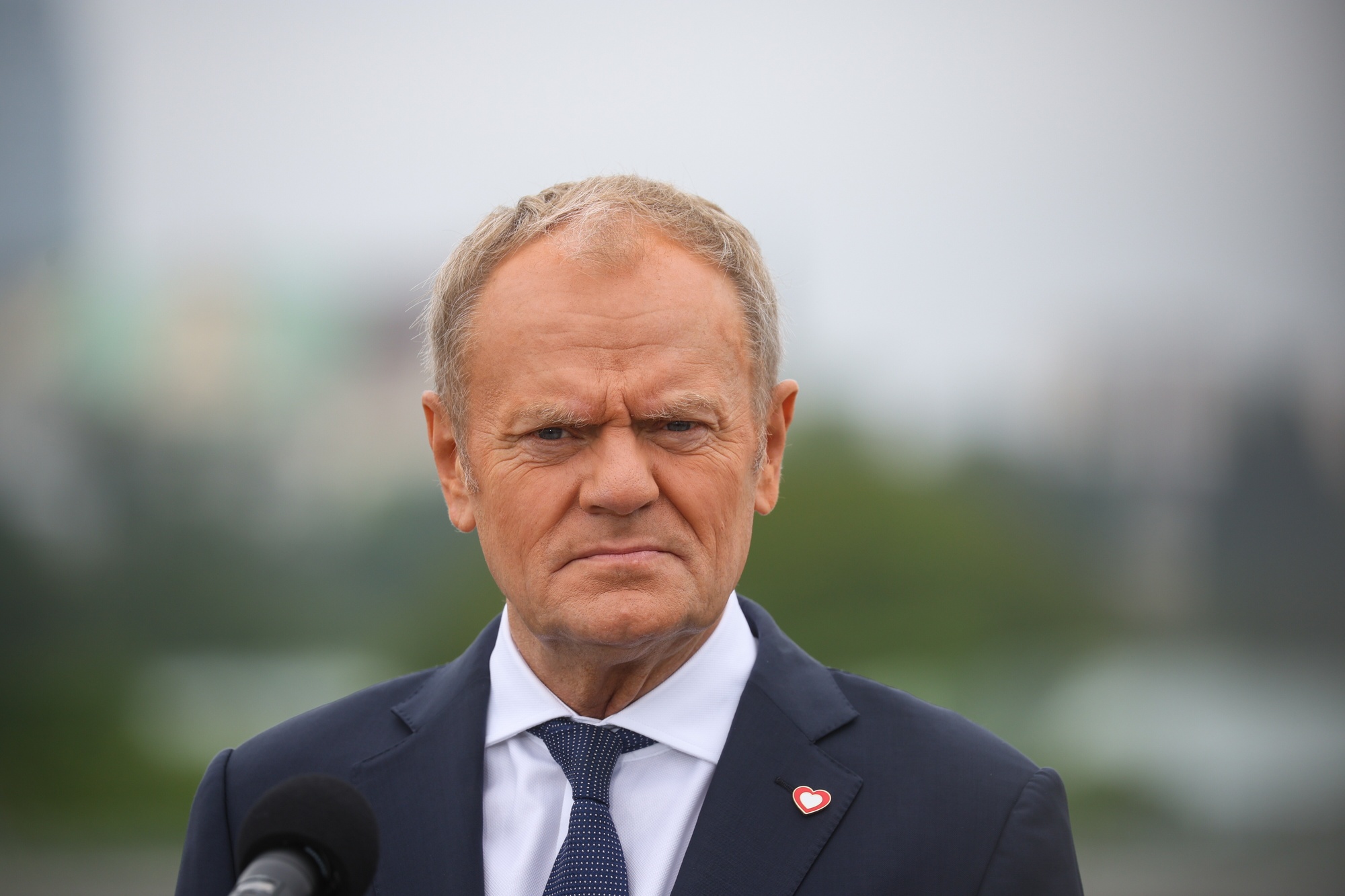
Prime Minister Donald Tusk’s characterization of the attack as “anti-Polish” carries significant weight in the current political climate. By framing violence against refugees as contrary to Polish national identity, Tusk is drawing a clear line between the actions of isolated individuals and the broader Polish society’s welcoming attitude toward those fleeing war. Poland has accepted more Ukrainian refugees than any other European nation since the conflict began, with estimates suggesting that between 1.5 and 2 million Ukrainians currently reside in the country. This unprecedented humanitarian response has been widely praised internationally and represents one of the largest refugee movements in European history since World War II.
The Prime Minister’s statement also serves as a political message during a time when some far-right elements in Polish society have attempted to stoke anti-Ukrainian sentiment. Tusk’s government, which came to power in late 2023, has sought to maintain Poland’s supportive stance toward Ukraine while addressing legitimate concerns about integration and resource allocation. By labeling attacks on Ukrainian children as fundamentally “anti-Polish,” Tusk is reinforcing the narrative that hospitality and protection of the vulnerable are core Polish values.
Context of Ukrainian Refugees in Poland
Since Russia launched its full-scale invasion of Ukraine in February 2022, Poland has served as the primary gateway for millions of Ukrainians fleeing the conflict. The initial wave of refugees was met with an extraordinary outpouring of support from ordinary Polish citizens, who opened their homes, organized volunteer efforts, and donated supplies on a massive scale. Government policies were quickly adapted to provide Ukrainian refugees with access to healthcare, education, and employment opportunities. This response was particularly remarkable given the historical complexities in Polish-Ukrainian relations, including painful memories of ethnic conflicts during World War II.
However, as the conflict has extended beyond its third year, some social tensions have emerged. Competition for housing, jobs, and social services has occasionally created friction between local populations and refugee communities. Isolated incidents of discrimination and violence against Ukrainians have been reported across Poland, though they remain statistically rare compared to the overall level of integration success. Sociologists and integration experts have noted that such incidents often increase during periods of economic uncertainty or when political actors attempt to exploit refugee issues for electoral gain.
Legal Consequences and Broader Implications
The charging of the woman in the Bydgoszcz case sends a clear signal that Polish authorities will pursue criminal prosecution in cases of violence against refugees. Under Polish law, attacks motivated by ethnic or national hatred can carry enhanced penalties, and prosecutors may pursue hate crime charges if evidence supports such a classification. Legal experts note that the swift police action and high-profile government response may serve as a deterrent against future incidents while reassuring the Ukrainian community of their safety and legal protection in Poland.
International observers and human rights organizations have been monitoring the treatment of Ukrainian refugees across Europe, with Poland generally receiving positive assessments for its integration policies. The Bydgoszcz incident, while troubling, demonstrates that Polish institutions are functioning effectively to address xenophobic violence when it occurs. Civil society organizations working with refugees have called for continued vigilance and community-building programs that foster understanding between Polish and Ukrainian residents, particularly in cities experiencing significant demographic changes due to refugee arrivals.
Expert Opinion: This incident reflects the inevitable social friction that accompanies large-scale refugee movements, but Poland’s institutional response demonstrates mature democratic reflexes. The key challenge for Polish authorities will be maintaining public support for refugee integration as economic pressures mount, while firmly prosecuting hate crimes to prevent normalization of anti-refugee violence. The coming months will be critical in determining whether isolated incidents remain anomalies or signal a broader shift in public attitudes.