As Ukraine continues to develop its long-range strike capabilities amid the ongoing war with Russia, military analysts are increasingly focusing on the question of international partnerships beyond the traditional reliance on the United States. Ukrainian defense expert Valentyn Badrak has shared insights with LIGA.net about which partner nations could assist Kyiv in developing and acquiring advanced missile systems capable of providing strategic deterrence against Russian aggression for years and potentially decades to come.
The discussion comes at a critical juncture when Ukraine is actively seeking to expand its indigenous defense production while also pursuing international cooperation agreements that could significantly enhance its military capabilities. With Russia continuing to launch missile and drone attacks against Ukrainian infrastructure and civilian targets, the development of robust offensive and defensive missile systems has become a top priority for Ukrainian defense planners.
Diversifying Defense Partnerships Beyond Washington
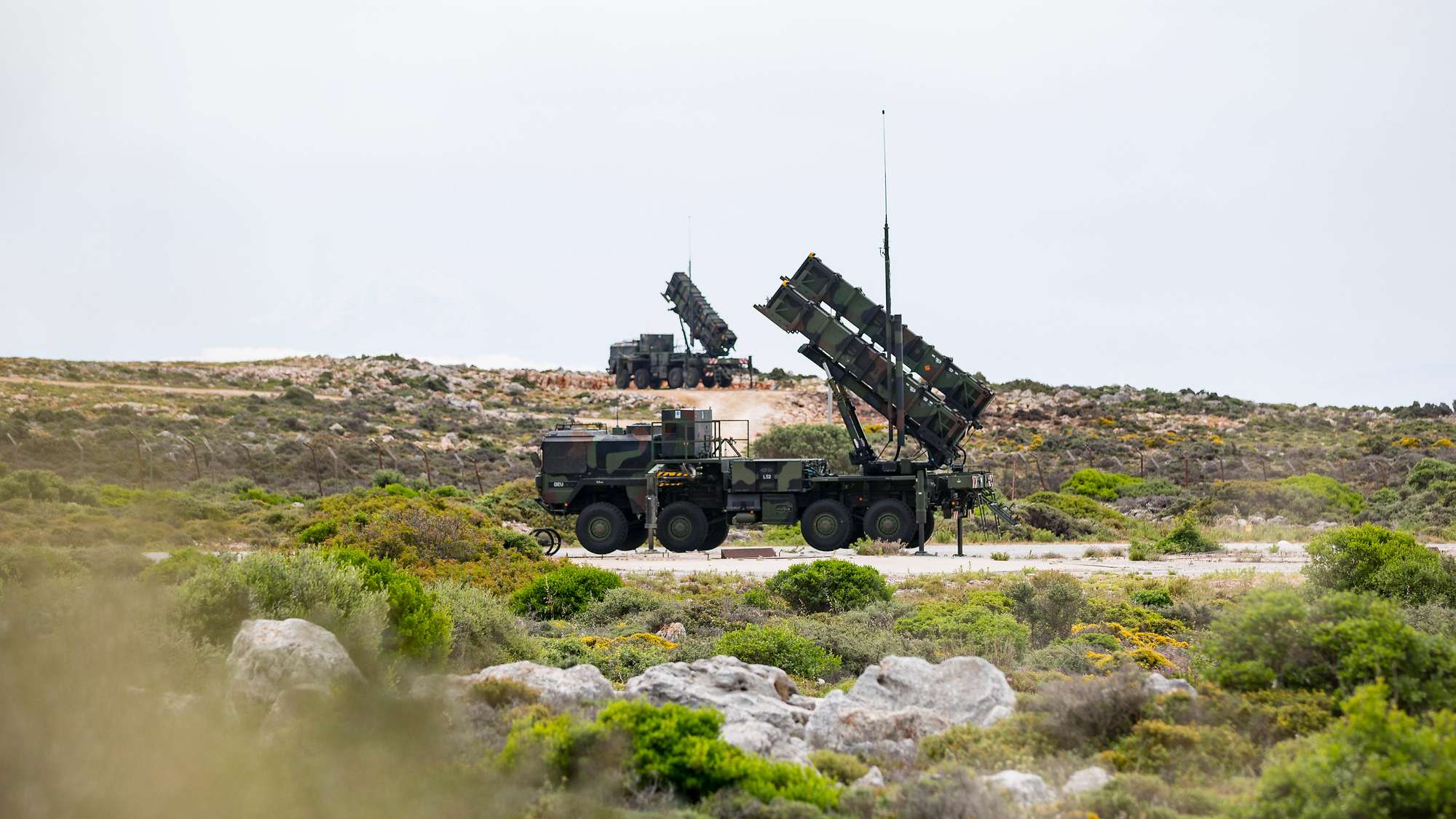
According to Badrak, while the United States remains Ukraine’s primary security partner, Kyiv should actively pursue missile cooperation with several European allies who possess advanced defense industries. The United Kingdom, France, and Germany have all developed sophisticated missile technologies that could potentially be shared with or produced in cooperation with Ukraine. The UK has already provided Storm Shadow cruise missiles, while France has supplied SCALP missiles — both capable of striking targets deep within Russian-controlled territory.
Additionally, countries like Sweden, with its advanced defense sector, and Poland, which is rapidly expanding its military capabilities, represent potential partners for missile development programs. Turkey has also emerged as a significant defense partner, with its Bayraktar drones having already proven effective in Ukrainian operations. The diversification of partnerships is seen as essential for reducing dependency on any single supplier and ensuring consistent access to advanced weaponry regardless of political changes in partner nations.
Building Indigenous Capabilities for Long-Term Deterrence
Badrak emphasized that Ukraine’s ultimate goal should be developing domestic missile production capabilities that can sustain deterrence against Russia for extended periods. This approach aligns with Ukrainian President Volodymyr Zelensky’s stated objective of building a self-sufficient defense industry. Ukraine has already demonstrated significant progress in this area, developing drones capable of striking targets hundreds of kilometers inside Russian territory and working on various missile projects.
The concept of “deterrence for years and decades” reflects a strategic understanding that security guarantees and military capabilities must outlast any particular political administration in partner countries. Recent uncertainties regarding continued US support under different political leadership have underscored the importance of building resilient, domestically-anchored defense capabilities supplemented by diverse international partnerships. Experts note that successful missile programs require sustained investment, technology transfer agreements, and long-term strategic planning that transcends immediate battlefield needs.
Historical Context and Future Implications
Ukraine’s pursuit of advanced missile capabilities has deep historical roots. Following the dissolution of the Soviet Union, Ukraine inherited significant missile production infrastructure and expertise, including facilities that once produced intercontinental ballistic missiles. However, the 1994 Budapest Memorandum saw Ukraine relinquish its nuclear arsenal in exchange for security assurances — guarantees that proved ineffective when Russia annexed Crimea in 2014 and launched its full-scale invasion in 2022. This historical experience has profoundly shaped Ukrainian thinking about the importance of maintaining credible deterrent capabilities.
Looking forward, analysts suggest that Ukraine’s missile development efforts could reshape regional security dynamics for decades. A Ukraine equipped with advanced long-range strike capabilities would fundamentally alter Russia’s strategic calculus, potentially deterring future aggression even after the current conflict ends. The international community’s willingness to support these efforts will likely be a key factor in determining the shape of European security architecture for generations to come.
Expert Opinion: Ukraine’s strategic pivot toward building a diversified missile partnership network represents a fundamental shift in its defense doctrine. Rather than relying solely on American support, Kyiv is wisely hedging its bets by cultivating relationships with multiple technologically advanced nations. This approach not only strengthens Ukraine’s immediate warfighting capabilities but also positions the country as a potential defense technology hub in Eastern Europe, which could attract investment and expertise even after the current conflict concludes.