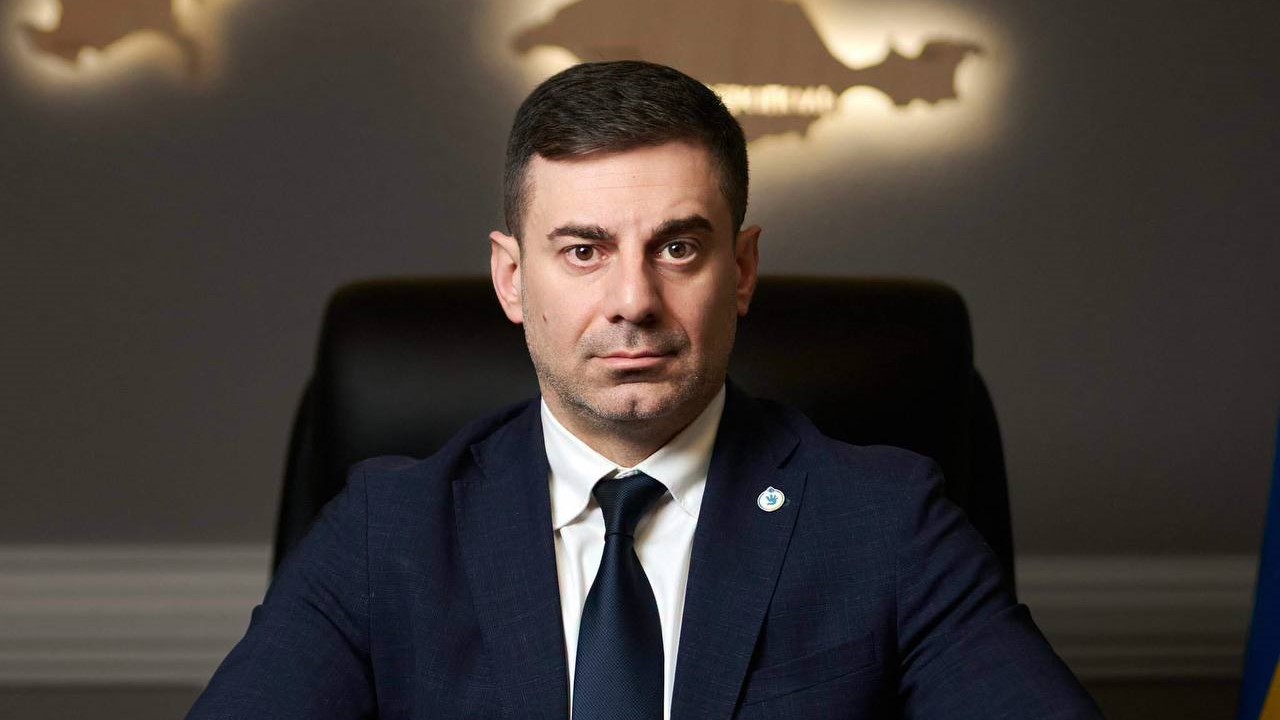
Ukraine’s Parliamentary Commissioner for Human Rights, Dmytro Lubinets, has publicly stated that he is facing coordinated media attacks following his office’s inspection of Territorial Recruitment Centers (TCC) in the Zakarpattia region. According to Lubinets, individuals defending certain TCC employees have intensified their efforts to discredit his findings and cast doubt on the legitimacy of the inspection results. This development highlights the ongoing tensions surrounding military recruitment practices in Ukraine amid the continuing conflict with Russia.
The Ombudsman’s statement comes at a particularly sensitive time for Ukraine, where the mobilization process has been a subject of intense public debate. Territorial Recruitment Centers, known by their Ukrainian abbreviation TCC, are responsible for managing conscription and military recruitment across the country. Since Russia’s full-scale invasion began in February 2022, these centers have played a crucial role in maintaining Ukraine’s military strength, but they have also become focal points for controversy regarding alleged abuses, corruption, and heavy-handed recruitment tactics.
Background on TCC Inspections and Public Concerns
The inspection of Zakarpattia’s recruitment centers is part of a broader effort by Ukrainian authorities to address mounting public complaints about TCC operations. Located in western Ukraine along the borders with Hungary, Slovakia, Poland, and Romania, Zakarpattia has been the subject of numerous reports regarding alleged irregularities in the mobilization process. Some residents have reported instances of aggressive recruitment methods, while others have raised concerns about potential corruption among local officials.
Throughout 2023 and into 2024, Ukrainian President Volodymyr Zelensky has acknowledged problems within the recruitment system and ordered reforms to address public grievances. Several high-profile dismissals of TCC officials have occurred across various regions, with some facing criminal charges for bribery, abuse of power, and other violations. The Ombudsman’s office has been tasked with investigating citizen complaints and ensuring that recruitment practices comply with Ukrainian law and respect human rights standards.
Media Pressure and Institutional Challenges
Lubinets’s claims of media attacks reflect a broader pattern of institutional resistance that often accompanies anti-corruption efforts in Ukraine. When oversight bodies attempt to hold local officials accountable, those with vested interests sometimes launch counter-campaigns through sympathetic media outlets or social media networks. This phenomenon is not unique to Ukraine but has been particularly pronounced given the high stakes of wartime mobilization and the significant resources flowing through military recruitment channels.
Human rights organizations have emphasized the importance of protecting officials who conduct oversight functions from retaliation and intimidation. Independent inspections of recruitment centers serve as a vital check on potential abuses and help maintain public trust in the mobilization process. When oversight officials face coordinated attacks, it can have a chilling effect on accountability efforts and embolden those who might otherwise face consequences for misconduct.
The Broader Context of Military Recruitment Reform
Ukraine’s mobilization challenges extend beyond individual cases of misconduct. The country faces the difficult task of maintaining military readiness while ensuring that recruitment practices are fair, transparent, and respectful of citizens’ rights. Recent legislative changes have attempted to streamline the mobilization process while introducing greater accountability measures. These reforms include updated registration requirements, digital systems for tracking conscription status, and enhanced penalties for officials who abuse their positions.
International partners have encouraged Ukraine to balance its defense needs with human rights protections, recognizing that public support for the war effort depends partly on citizens’ confidence in the fairness of mobilization procedures. The Ombudsman’s inspections play a key role in this balance, serving as an independent mechanism for addressing grievances and identifying systemic problems that require policy solutions.
Expert Opinion: The media backlash against Lubinets likely indicates that his inspections touched on sensitive interests within local power structures. Such resistance patterns typically emerge when accountability measures threaten established networks. The ultimate success of TCC reforms will depend on sustained political will to support independent oversight despite organized opposition from those benefiting from the status quo.