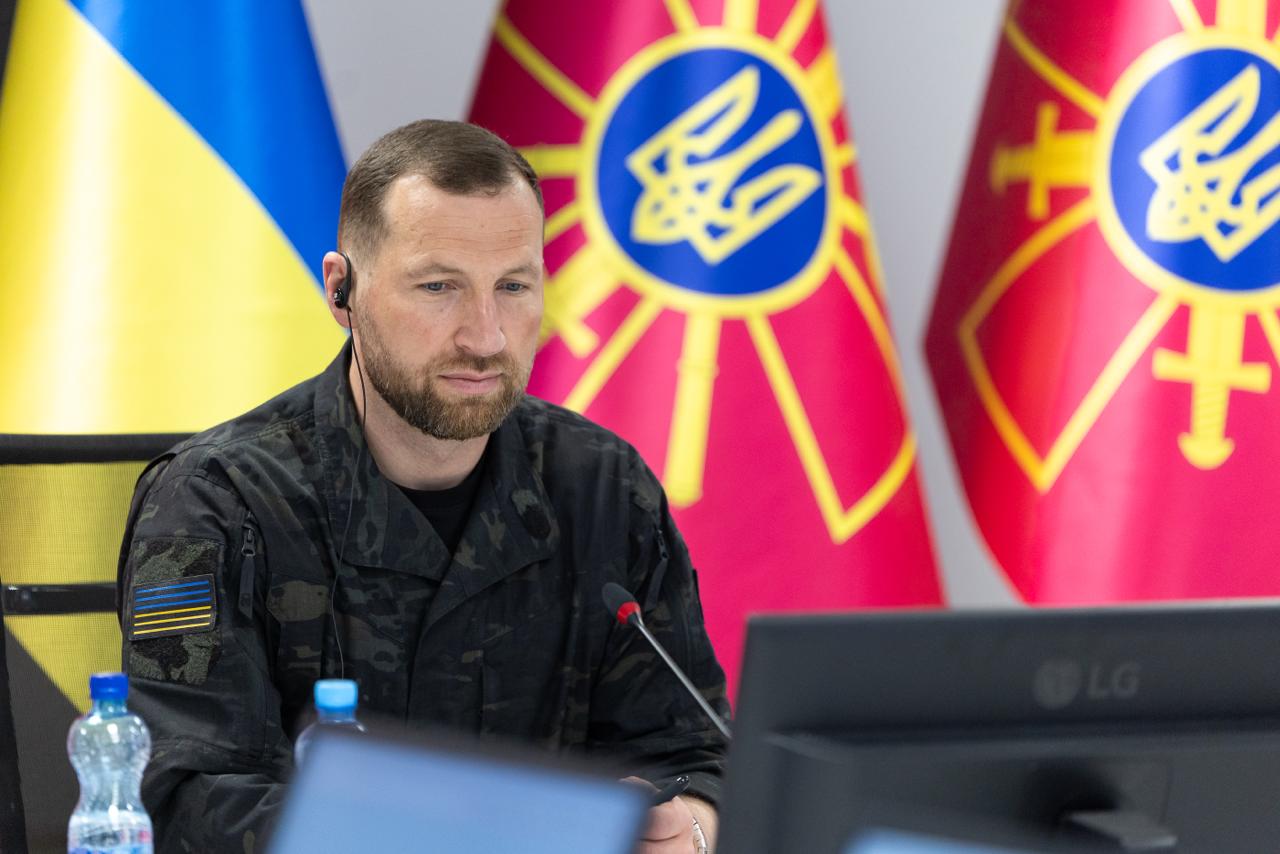
As Ukraine continues to navigate the complexities of wartime governance, the relationship between the country’s military leadership and the Ministry of Defense has become a critical focal point for analysts and officials alike. Recent discussions among sources close to the Ukrainian government have shed light on what is needed to ensure effective coordination between Army Commander-in-Chief Mykhailo Drapaty and the incoming head of the Ministry of Defense. The consensus among insiders speaking to Ukrainian media outlet LIGA.net emphasizes that this partnership must be structured “maximally in Ukraine’s interests” to maintain battlefield effectiveness and strategic coherence.
The importance of civil-military relations in Ukraine cannot be overstated, particularly as the country enters its fourth year of full-scale war against Russian aggression. Since February 2022, Ukraine has undergone several significant leadership changes within its defense apparatus, each transition carrying substantial implications for military operations and international support. The relationship between the Defense Ministry, which handles procurement, logistics, and international defense cooperation, and the General Staff, which directs combat operations, forms the backbone of Ukraine’s war effort.
Historical Context of Defense Leadership Dynamics
Ukraine’s defense leadership structure has evolved significantly since the country gained independence in 1991, but the current war has accelerated reforms and highlighted both strengths and weaknesses in the system. The appointment of Mykhailo Drapaty as Commander-in-Chief earlier this year marked another chapter in Ukraine’s ongoing efforts to optimize its military command structure. Drapaty, who previously served in various senior military positions, took over from General Valerii Zaluzhnyi, whose departure was seen as a pivotal moment in Ukrainian military history. The transition raised questions about continuity of strategy and the importance of maintaining stable relationships between military and civilian defense leadership.
Sources familiar with internal discussions have indicated that the key to success lies in establishing clear lines of communication and mutual respect between the Ministry of Defense and the armed forces command. One insider noted that previous tensions between these institutions had sometimes hampered decision-making processes, particularly regarding weapons procurement and deployment strategies. The new configuration of leadership offers an opportunity to reset these dynamics and create a more cohesive approach to defense planning.
Critical Challenges Facing the New Leadership Team
The incoming Defense Minister will face numerous challenges that require close coordination with General Drapaty. Among the most pressing issues are the management of Western military aid, which has become increasingly complex as different weapon systems from various NATO countries require integration into Ukrainian forces. Additionally, mobilization policies, troop rotation, and the development of domestic defense production capabilities all demand seamless cooperation between civilian and military leadership. Experts suggest that any friction between these institutions could have immediate consequences on the front lines.
International partners, particularly the United States and European Union member states, have also expressed interest in seeing stable and effective defense governance in Ukraine. Western military advisors have long emphasized the importance of clear command structures and transparent procurement processes as prerequisites for continued support. The relationship between the Defense Ministry and the Commander-in-Chief directly impacts Ukraine’s ability to absorb and effectively utilize the billions of dollars in military assistance that has flowed into the country since 2022.
Looking Forward: Building an Effective Partnership
As Ukraine prepares for what many analysts predict will be another challenging year of conflict, the establishment of a productive working relationship between Drapaty and the new Defense Minister has taken on heightened urgency. Sources suggest that both sides recognize the stakes involved and are committed to putting national interests above institutional rivalries. The coming weeks will likely reveal more about how this partnership develops, with observers watching closely for signs of coordination on key issues such as the spring-summer campaign planning and ongoing negotiations regarding Western security guarantees. The success or failure of this relationship could ultimately influence not only military outcomes but also Ukraine’s broader strategic position in the ongoing conflict.
Expert Opinion: The civil-military relationship in wartime Ukraine represents a delicate balance that few modern democracies have had to manage under such extreme pressure. Given the rapid pace of battlefield developments and the critical importance of Western support, any dysfunction between the Defense Ministry and military command could prove catastrophic. Observers should expect President Zelensky to play an active mediating role in ensuring both institutions work in concert, as the alternative—institutional conflict during an existential war—is simply not an option Ukraine can afford.