Armenian Prime Minister Nikol Pashinyan has stated that the country could hold a referendum on its foreign policy direction, but only after submitting an official application for European Union membership. This significant announcement comes amid growing tensions between Armenia and its traditional ally Russia, as the South Caucasus nation increasingly looks westward for security guarantees and economic partnerships. The statement reflects a dramatic shift in Armenian foreign policy that has been unfolding over the past several years, accelerated by perceived Russian failures to protect Armenian interests during the 2020 Nagorno-Karabakh war and subsequent conflicts with Azerbaijan.
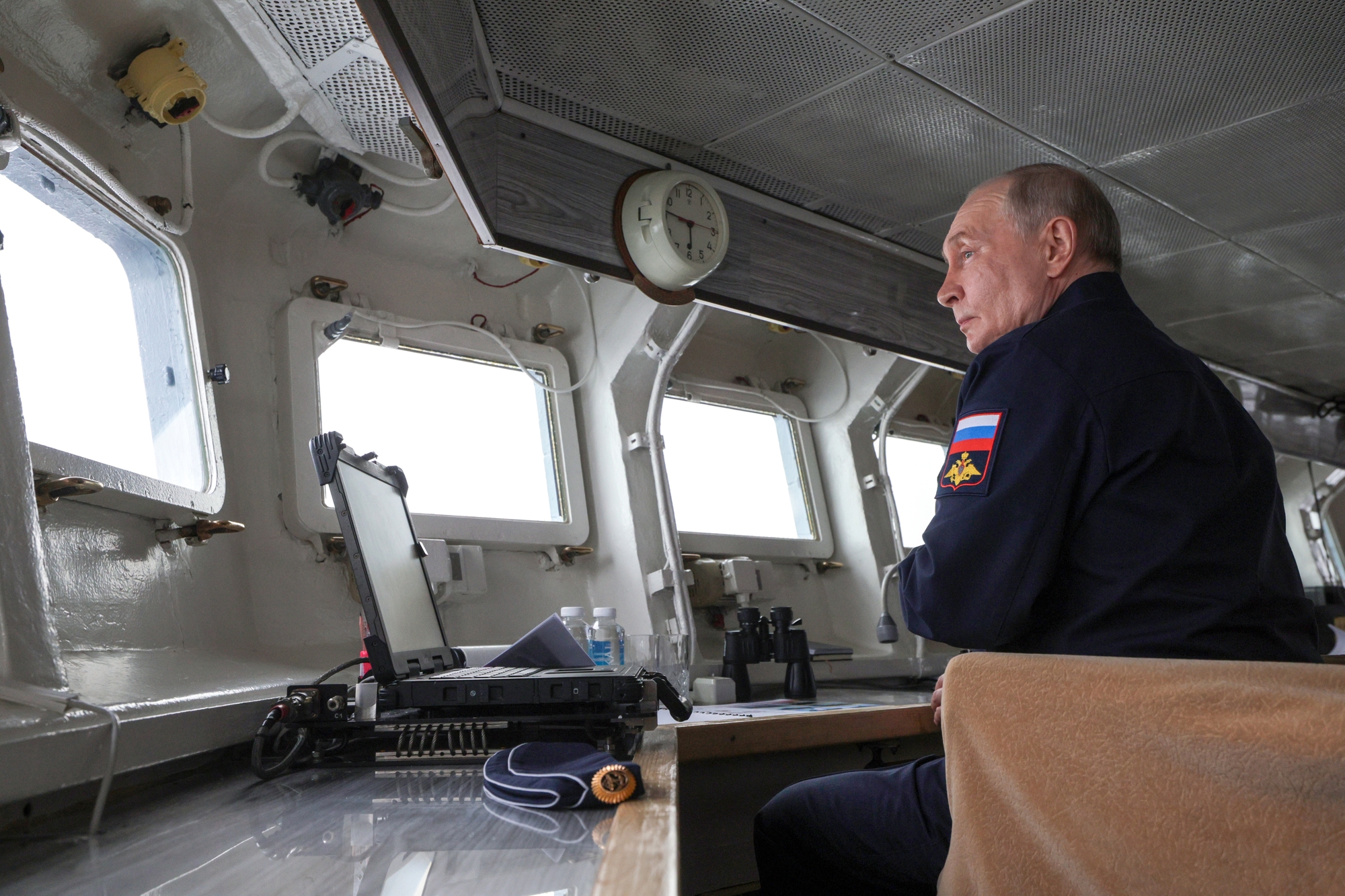
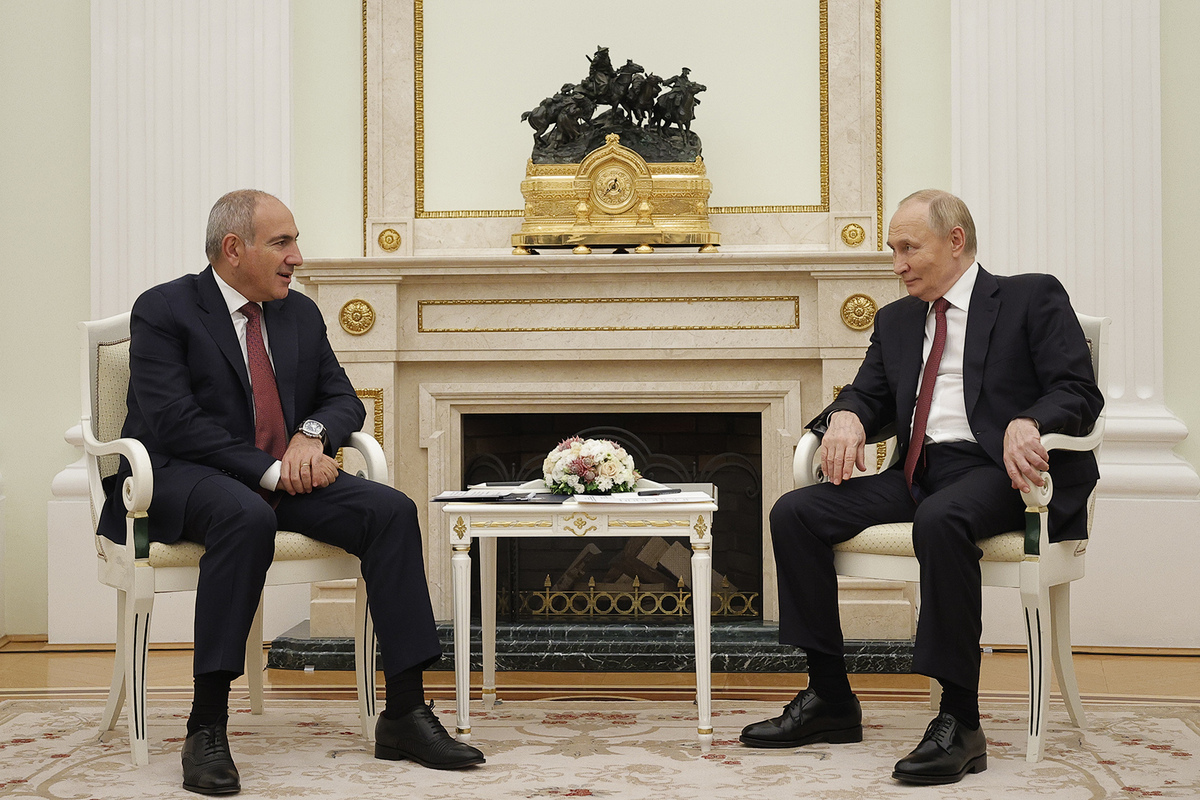
The Armenian leader’s comments came shortly after a telephone conversation with Russian President Vladimir Putin, though details of their discussion have not been fully disclosed. The timing of these statements is particularly noteworthy, as they signal Pashinyan’s willingness to publicly chart a course away from Moscow’s sphere of influence while still maintaining diplomatic communication with the Kremlin. Political analysts suggest this represents a delicate balancing act that could have profound implications for regional stability in the South Caucasus.
Historical Context of Armenian-Russian Relations
Armenia has historically maintained close ties with Russia, viewing Moscow as a crucial security partner in a volatile region. The relationship dates back centuries, with Russia often positioning itself as a protector of Armenian Christians against Ottoman and later Turkish influence. In the modern era, Armenia joined the Russian-led Collective Security Treaty Organization (CSTO) and the Eurasian Economic Union (EAEU), cementing its place in Moscow’s network of allied states. Russian military bases have been stationed on Armenian territory, and Moscow has served as the primary arms supplier to the Armenian military for decades.
However, this relationship has come under severe strain following the 2020 Nagorno-Karabakh war, in which Azerbaijan recaptured significant territories that had been under Armenian control since the early 1990s. Many Armenians felt betrayed by Russia’s perceived failure to intervene more decisively on their behalf, despite CSTO commitments. The situation deteriorated further in September 2023 when Azerbaijan launched a military operation that resulted in the complete displacement of the Armenian population from Nagorno-Karabakh, with approximately 100,000 ethnic Armenians fleeing to Armenia proper. Russia’s peacekeeping forces, deployed in the region after the 2020 ceasefire, were widely criticized for their inability or unwillingness to prevent the humanitarian crisis.
The European Alternative and Domestic Politics
Pashinyan’s suggestion of a referendum specifically after submitting an EU application represents a strategic political calculation. By framing the sequence in this manner, the Prime Minister appears to be signaling that the application itself is a government decision, while the final commitment to European integration would ultimately require popular approval. This approach mirrors similar processes in other post-Soviet states that have pursued European integration, though Armenia’s geographic isolation from EU borders presents unique challenges. The country shares no border with any EU member state, which could complicate practical aspects of integration such as trade logistics and freedom of movement.
The demand for a referendum has come from various political quarters within Armenia, including both pro-European activists who want to solidify the country’s westward turn and opposition figures who argue that such a fundamental shift in foreign policy requires direct democratic legitimacy. Recent polling suggests that public opinion in Armenia has shifted significantly toward European integration, with surveys indicating majority support for closer ties with the EU. However, concerns remain about economic dependencies on Russia, including energy supplies and remittances from the large Armenian diaspora working in Russia.
Regional Implications and Future Prospects
Armenia’s potential pivot toward the European Union carries significant implications for the broader South Caucasus region and could reshape the geopolitical landscape between Russia, Turkey, and the West. Georgia, Armenia’s northern neighbor, has also been pursuing EU membership, though its path has been complicated by recent political controversies. Azerbaijan, meanwhile, has maintained a more balanced approach, leveraging its energy resources to build partnerships with both European nations and traditional allies. Turkey, a NATO member with historically tense relations with Armenia, could play a complex role in any Armenian EU accession process, given that EU membership requires resolution of disputes with existing members.
Economic considerations also loom large in Armenia’s calculations. The country remains heavily dependent on Russian natural gas imports and maintains significant trade relationships within the Eurasian Economic Union framework. Transitioning to European economic standards would require substantial reforms and could create short-term economic disruptions. However, proponents of EU integration argue that access to European markets, investment, and development funds would provide long-term benefits that outweigh these transitional costs. The EU has already increased its engagement with Armenia through various partnership programs and has signaled openness to deeper cooperation.
As Armenia navigates this pivotal moment in its history, the international community watches closely. The outcome of Pashinyan’s diplomatic maneuvering could set precedents for other post-Soviet states seeking to redefine their relationships with Moscow. Whether Armenia can successfully execute this geopolitical reorientation while maintaining stability and security remains one of the most consequential questions facing the South Caucasus region today.
Expert Opinion: Armenia’s announcement represents a watershed moment in post-Soviet geopolitics, signaling that even Russia’s closest allies are reassessing their strategic alignments following Moscow’s perceived failures in regional security commitments. However, the practical path to EU membership remains extraordinarily challenging given Armenia’s geographic isolation and economic dependencies, suggesting this process will unfold over a decade or more rather than in the near term. The Kremlin’s response to this westward drift will be crucial in determining whether Armenia can execute this transition peacefully or faces significant Russian countermeasures.