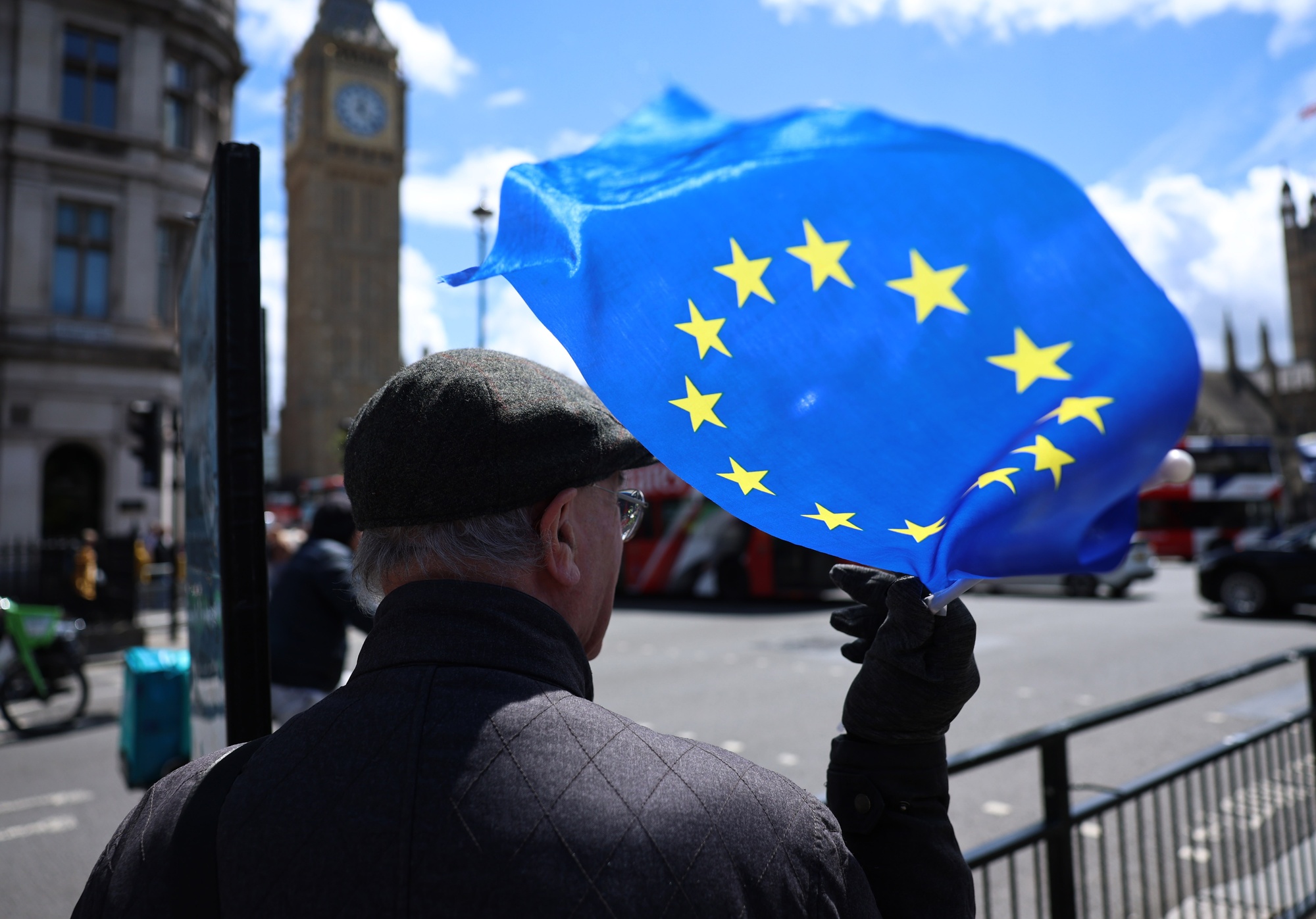
The European Union is experiencing a significant erosion of political will to impose additional sanctions on Russia, according to a recent report by the Financial Times. This troubling trend threatens to undermine the bloc’s four-year strategy of supporting Ukraine through economic pressure on Moscow, raising serious questions about European unity and the future direction of Western policy toward the ongoing conflict in Eastern Europe.
The shift in sentiment comes at a critical juncture in the conflict, as Ukraine continues to defend its territory against Russian military operations while simultaneously seeking increased Western support. European diplomats and officials have observed growing reluctance among member states to approve new restrictive measures, with some countries openly questioning the effectiveness and economic cost of the existing sanctions regime.
The Evolution of EU Sanctions Policy
Since Russia’s full-scale invasion of Ukraine in February 2022, the European Union has implemented an unprecedented series of sanctions packages targeting the Russian economy. These measures have included restrictions on Russian banks, export controls on advanced technology, bans on luxury goods, and most significantly, limitations on Russian energy imports that once formed the backbone of EU-Russia economic relations. The bloc has adopted fourteen packages of sanctions to date, representing the most comprehensive economic warfare campaign in modern European history.
The sanctions were designed to cripple Russia’s war machine by restricting access to critical technologies, cutting off revenue streams from energy exports, and isolating the Russian financial system from global markets. Initial assessments suggested these measures would severely damage the Russian economy, with some Western economists predicting a catastrophic collapse. However, Russia has demonstrated remarkable resilience, adapting its trade routes through countries like China, India, and Turkey, while restructuring its domestic economy to sustain military operations.
Growing Divisions Among Member States
The declining support for additional sanctions reflects deeper fissures within the European Union regarding the appropriate response to Russian aggression. Countries on NATO’s eastern flank, including Poland, the Baltic states, and Finland, continue to advocate for maximum pressure on Moscow, citing direct security threats to their territories. These nations argue that any weakening of the sanctions regime would embolden Russian leadership and potentially invite further aggression.
Conversely, several Western and Southern European countries have grown increasingly concerned about the economic impact of sanctions on their own economies. Rising energy costs, inflation pressures, and disrupted supply chains have taken a toll on European businesses and consumers alike. Hungary has been particularly vocal in its opposition to new measures, with Prime Minister Viktor Orbán repeatedly blocking or delaying sanctions proposals. Other nations, while less openly critical, have privately expressed sanctions fatigue and questioned whether additional measures would yield meaningful results.
Economic Realities and Strategic Considerations
The economic dimension of the sanctions debate cannot be overlooked. European economies have paid a substantial price for cutting economic ties with Russia, particularly in the energy sector. Germany, once heavily dependent on Russian natural gas, has been forced to rapidly diversify its energy sources at significant cost. Industries across the continent have faced higher input costs and supply disruptions, contributing to inflationary pressures that have strained household budgets and corporate balance sheets.
Meanwhile, questions persist about the ultimate effectiveness of economic sanctions as a tool for changing state behavior. Historical evidence suggests that sanctions rarely achieve their stated objectives of forcing policy changes, particularly against authoritarian regimes with strong nationalist narratives. Critics argue that sanctions often harm ordinary citizens more than political elites, while supporters contend that sustained economic pressure remains essential to limiting Russia’s capacity to wage war.
Implications for Ukraine and Transatlantic Relations
The wavering European commitment to sanctions carries profound implications for Ukraine’s struggle and the broader Western alliance. Ukrainian officials have consistently emphasized the importance of maintaining maximum economic pressure on Russia while providing military and financial assistance to Kyiv. Any perception of weakening European resolve could embolden Moscow to continue its military campaign in hopes of outlasting Western support.
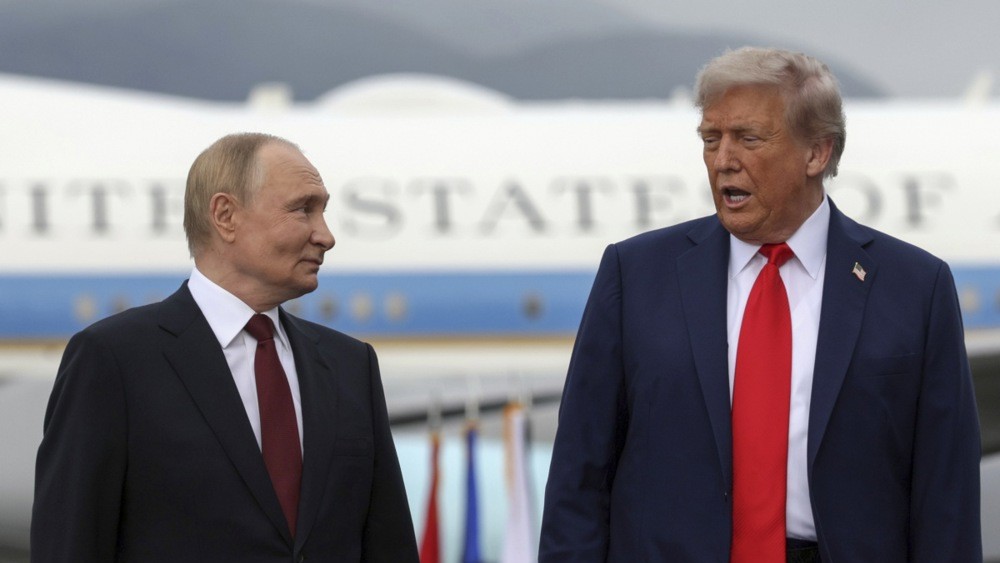
The sanctions debate also intersects with transatlantic relations, as the United States has pressed European allies to maintain unified pressure on Russia. The incoming administration’s approach to Russia policy remains a subject of intense speculation, adding another layer of uncertainty to European decision-making. Should the United States reduce its commitment to Ukraine sanctions, European leaders would face difficult choices about sustaining their own measures unilaterally.
Expert Opinion: The erosion of EU sanctions consensus signals a pivotal moment in the Ukraine conflict, where economic fatigue may increasingly override geopolitical imperatives. Analysts predict that without renewed political leadership and a compelling narrative connecting sanctions to achievable outcomes, Europe risks a gradual drift toward accommodation with Russia—a development that would fundamentally reshape the continent’s security architecture for decades to come.