
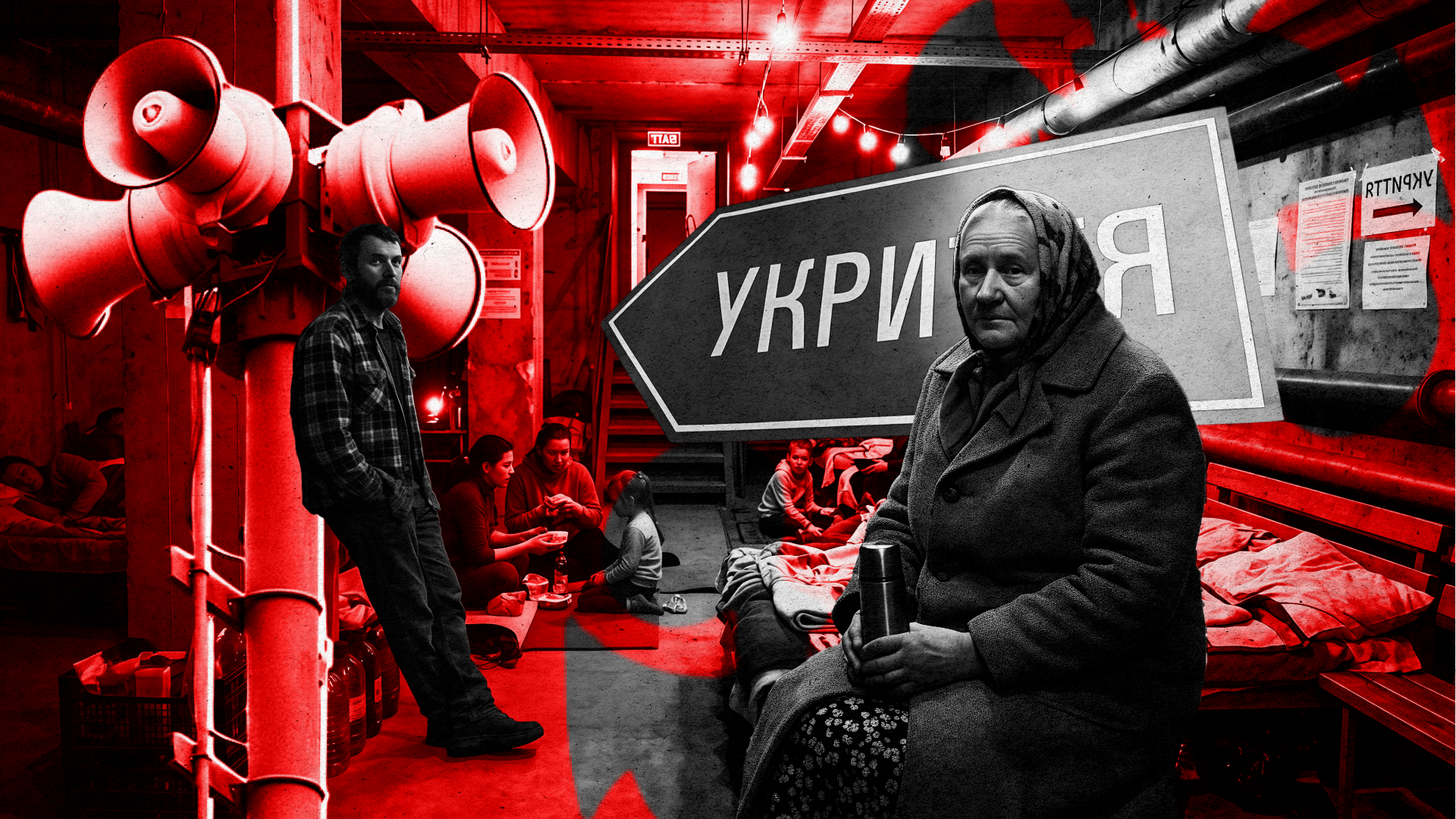
As Russia continues its relentless aerial campaign against Ukraine’s capital, a troubling reality has emerged: thousands of Kyiv residents are choosing to stay home during ballistic missile attacks rather than seek shelter. This dangerous trend raises serious questions about the city’s civil defense infrastructure, public awareness, and the practical limitations of existing protection measures. With warning times measured in mere minutes and shelter accessibility remaining problematic, Ukraine’s largest city faces a growing humanitarian challenge that demands urgent attention from both local authorities and international partners.
The Brutal Mathematics of Ballistic Missile Warnings
Unlike cruise missiles, which can take considerable time to reach their targets and allow for extended warning periods, ballistic missiles present a fundamentally different threat. When launched from Russian territory or occupied regions, these weapons can reach Kyiv in as little as 8-12 minutes, giving residents virtually no time to reach designated shelters. This compressed timeline creates an impossible situation for many citizens, particularly the elderly, disabled, or those caring for young children. The psychological toll of repeated alerts, sometimes occurring multiple times daily, has led many to simply ignore warnings altogether, a phenomenon psychologists call “alarm fatigue.” Studies conducted in conflict zones worldwide have shown that after prolonged exposure to air raid warnings, civilian compliance with shelter protocols drops dramatically, often by 60-70% within the first year of sustained attacks.
The problem is compounded by the geographic distribution of Kyiv’s shelter network. While the city officially lists thousands of designated shelters, including Soviet-era bunkers, metro stations, and basement facilities, their practical accessibility varies enormously. Many older buildings lack adequate basement protection, and residents of high-rise apartment complexes face the daunting task of descending numerous floors in complete darkness during nighttime attacks when elevators are disabled. For a family living on the 15th floor with small children, the mathematical reality is stark: even running at maximum speed, they cannot reach ground level before a ballistic missile completes its trajectory.
Infrastructure Gaps and Missing Millions
Questions have intensified regarding the allocation of civil defense funds and the actual condition of Kyiv’s shelter network. City authorities have faced mounting criticism over reports that millions of dollars earmarked for shelter maintenance and modernization cannot be fully accounted for. Investigations by Ukrainian journalists and civil society organizations have revealed that some designated shelters exist only on paper, while others remain locked, flooded, or in states of disrepair that render them unusable. The Soviet-era bunker network, once considered a comprehensive civil defense system, has suffered decades of neglect, with many facilities converted to commercial use or simply abandoned. This deterioration occurred during the relatively peaceful post-Cold War decades when such infrastructure seemed unnecessary – a decision that now haunts city planners.
The situation reflects broader challenges in Ukrainian governance and the difficulties of rapidly adapting civilian infrastructure to wartime conditions. While significant international aid has flowed into the country for military purposes, civil defense improvements have received comparatively less attention and funding. Experts note that modernizing a shelter network for a city of nearly 3 million people requires not just financial resources but also engineering expertise, construction materials, and time – all of which are in short supply during active hostilities. The gap between official shelter capacity and actual usable space may be as high as 40%, according to some unofficial estimates from civil society monitors.
Living with Constant Threat: The Human Dimension
Beyond infrastructure concerns, the human response to sustained aerial bombardment reveals complex psychological and social dynamics. Many Kyiv residents have developed personal risk assessment strategies, choosing to shelter in interior rooms or hallways of their apartments rather than attempting to reach official facilities. This behavior, while understandable, provides minimal protection against direct hits or nearby explosions. Medical professionals in the city report treating increasing numbers of patients with anxiety disorders, sleep deprivation, and stress-related conditions directly linked to the constant threat of attack. Children are particularly vulnerable, with educators noting elevated rates of behavioral issues and learning difficulties among students who have spent significant portions of their lives under air raid conditions.
The international community has begun responding to these civil defense challenges, with several NATO countries providing mobile alert systems, protective equipment, and technical assistance for shelter improvement. However, experts argue that sustainable solutions require fundamental changes in how urban civil defense is conceptualized and funded during modern conflicts. The experience of Kyiv may ultimately provide valuable lessons for cities worldwide facing similar threats, though the immediate priority remains protecting civilians who currently lack adequate options. As winter approaches and heating infrastructure faces its own vulnerabilities, the question of shelter accessibility becomes even more critical, with unheated basements posing additional health risks for those seeking protection from attacks.
Expert Opinion: The situation in Kyiv represents a new paradigm in urban warfare that most civil defense systems were never designed to address. Ballistic missile threats require a fundamental rethinking of shelter strategy, moving away from centralized bunkers toward distributed protection integrated into residential buildings themselves. Without significant investment in rapid-deployment warning systems and hardened residential construction standards, cities facing similar threats will continue to see civilian casualties rise despite extensive shelter networks.