
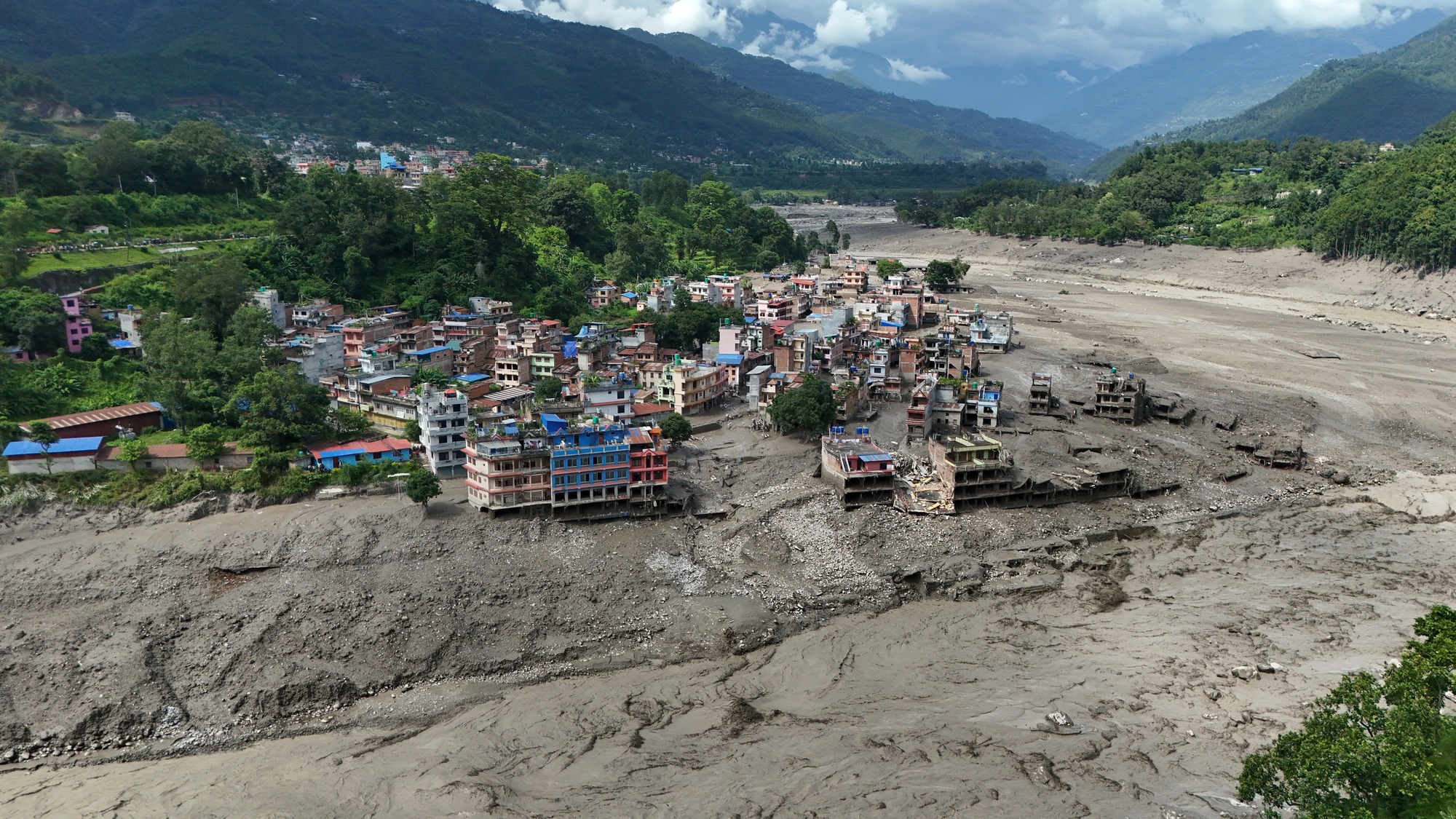
A catastrophic flood has struck the border region between Nepal and Tibet, leaving nearly 400 people missing and raising fears of a significant death toll. Chinese authorities have indicated that the actual number of casualties could be considerably higher than initial reports suggest, as search and rescue operations continue in the treacherous mountainous terrain. The disaster has once again highlighted the vulnerability of communities living in the Himalayan region to sudden and devastating natural events.
The flooding, which occurred in one of the world’s most geologically active and climatically sensitive regions, has caused widespread destruction to infrastructure, homes, and livelihoods. Emergency response teams from both Nepal and China have been deployed to the affected areas, though the remote and rugged landscape presents significant challenges for rescue efforts. Authorities are working around the clock to locate survivors and provide emergency assistance to displaced residents.
The Himalayan Region’s Vulnerability to Natural Disasters
The Nepal-Tibet border region sits within the Himalayan mountain range, one of the most geologically unstable areas on Earth. This territory is characterized by steep valleys, glacial lakes, and rivers fed by seasonal monsoons and melting snow. Over the past several decades, climate change has accelerated glacier melt, creating numerous glacial lakes that pose significant risks of catastrophic outburst floods, known as GLOFs (Glacial Lake Outburst Floods). Scientists have long warned that rising temperatures are making these events more frequent and more severe.
Historical records show that this region has experienced numerous devastating floods over the centuries. The 2021 Chamoli disaster in nearby India, which killed over 200 people, served as a stark reminder of the dangers facing Himalayan communities. Similarly, Nepal experienced catastrophic flooding in 2017 and 2019 that displaced hundreds of thousands of residents. The combination of climate change, rapid urbanization in vulnerable areas, and inadequate early warning systems has created a perfect storm of risk factors that experts say demands immediate attention from regional governments.
International Response and Rescue Challenges
The international community has begun mobilizing support for the affected region, with neighboring countries and humanitarian organizations offering assistance. However, the remote location of the disaster zone presents extraordinary logistical challenges. Many affected villages are accessible only by foot or helicopter, and damaged roads and bridges have further complicated access for rescue teams. Weather conditions in the high-altitude region can change rapidly, creating additional hazards for both survivors and rescuers.
Chinese authorities have deployed military personnel and specialized rescue equipment to the Tibet side of the border, while Nepal’s government has coordinated with local disaster management committees to reach affected communities. The cooperation between the two nations will be crucial in addressing this crisis, as the flood’s impact spans the international border. Relief agencies are establishing temporary shelters and distributing essential supplies including food, clean water, and medical equipment to displaced families.
Climate Change and Future Preparedness
Environmental scientists and disaster management experts have emphasized that this tragedy underscores the urgent need for improved climate adaptation strategies in the Himalayan region. The establishment of early warning systems, relocation of vulnerable communities, and international cooperation on climate monitoring are all essential steps that experts say must be prioritized. As global temperatures continue to rise, the frequency and intensity of such disasters are expected to increase, making proactive measures more critical than ever. The coming weeks will be crucial as authorities work to account for all missing persons and begin the long process of recovery and reconstruction in the devastated communities.
Expert Opinion: This disaster represents a grim preview of what climate scientists have been warning about for years regarding Himalayan vulnerability. With over 2,000 glacial lakes in the region classified as potentially dangerous, we can expect similar events to occur with increasing frequency unless substantial investments are made in early warning systems and community preparedness. International cooperation between Nepal, China, and India will be essential to develop a comprehensive regional disaster response framework.