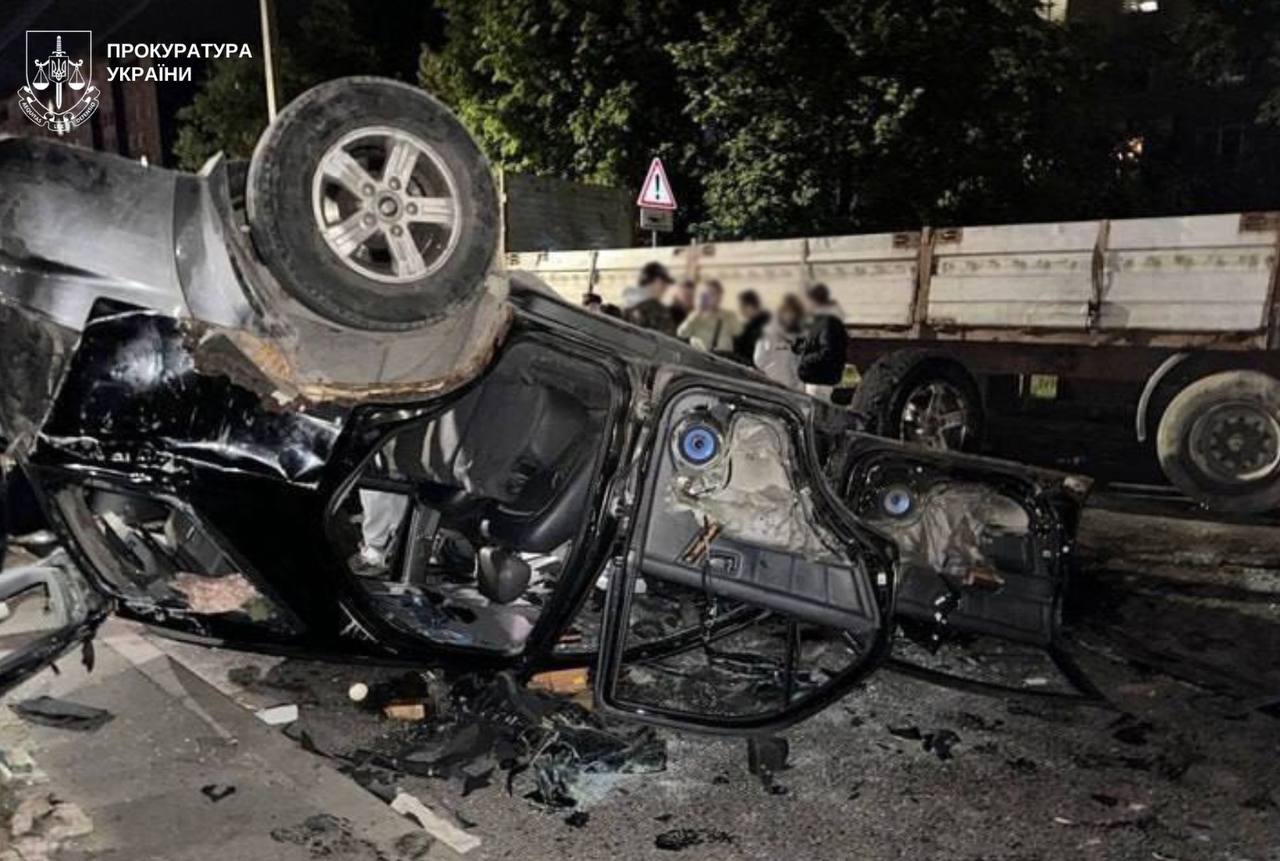
A violent confrontation between civilians and military recruitment officers erupted in Lviv, Ukraine during the night of July 8-9, resulting in gunshots being fired and raising serious questions about the escalating tensions surrounding mobilization efforts. According to sources from LIGA.net, all individuals present at the scene wearing military uniforms were confirmed to be active military personnel, contradicting earlier reports that suggested the involvement of civilians posing as soldiers. The incident has sparked widespread discussion about the methods employed by Territorial Recruitment Centers (TRC) and the growing resistance they face from segments of the Ukrainian population.
The confrontation reportedly began when TRC officers attempted to approach potential conscripts in the western Ukrainian city. What started as a routine mobilization check quickly escalated into a physical altercation, with witnesses reporting that shots were fired during the chaos. Initial social media reports claimed that one of the individuals involved identified himself as a “boxing coach,” attempting to justify his presence and physical resistance. However, investigative sources have since clarified that this claim appears to have been fabricated, and the situation was far more complex than initially portrayed online.
The Growing Challenge of Mobilization in Ukraine
Ukraine’s mobilization efforts have become increasingly contentious as the war with Russia extends into its third year. The Territorial Recruitment Centers, known locally as TRC or TCC (Territorial Center of Completion), are responsible for identifying and conscripting military-age men to serve in the armed forces. Since the full-scale Russian invasion began in February 2022, Ukraine has implemented strict measures to maintain its fighting force, including limiting travel abroad for men aged 18-60 and conducting checks at various public locations. These measures, while necessary for national defense, have generated significant friction between recruitment officers and civilians who wish to avoid conscription.
The Lviv incident is far from isolated. Throughout 2024, numerous confrontations between TRC officers and civilians have been documented across Ukraine, with videos frequently going viral on social media platforms. Some incidents have involved allegations of excessive force by recruitment officers, while others have shown civilians physically resisting or fleeing from mobilization attempts. The Ukrainian government has acknowledged problems within the recruitment system and has taken steps to reform TRC operations, including dismissing officials accused of corruption or misconduct. President Volodymyr Zelensky signed updated mobilization legislation in April 2024, which included provisions aimed at improving transparency and accountability within the recruitment process.
Investigating the Lviv Confrontation
Law enforcement authorities have launched an investigation into the Lviv incident, focusing on determining the circumstances that led to shots being fired. Preliminary reports suggest that the gunfire came from service weapons carried by military personnel, though the exact sequence of events remains under investigation. Sources familiar with the matter emphasized that identifying all parties involved and establishing a clear timeline of the confrontation is essential before any conclusions can be drawn. The investigation will likely examine whether proper protocols were followed by TRC officers and whether the use of force was justified under the circumstances.
The claim about a “boxing coach” being involved has drawn particular scrutiny from investigators. In previous confrontations across Ukraine, individuals have sometimes attempted to claim special status or exemptions to avoid mobilization, with varying degrees of legitimacy. Ukrainian law does provide certain exemptions from military service, including for individuals with specific medical conditions, those working in critical infrastructure, or parents of three or more children. However, athletic coaches or trainers do not typically qualify for automatic exemptions, meaning any such claim would need to be verified through official documentation and proper channels.
Broader Implications for Ukrainian Society
The recurring tensions surrounding mobilization reflect deeper challenges facing Ukrainian society as it navigates an existential conflict. Military experts note that maintaining public support for conscription is crucial for Ukraine’s long-term defense capabilities. When incidents like the Lviv confrontation occur, they risk undermining trust between civilians and military institutions, potentially making future recruitment efforts even more difficult. Some analysts have called for comprehensive reforms to the TRC system, including better training for recruitment officers, clearer guidelines on acceptable conduct, and more transparent communication about mobilization procedures and exemptions.
The situation also highlights the psychological toll of prolonged warfare on civilian populations. Many Ukrainian men face difficult choices between fulfilling their perceived duty to defend their country and their personal circumstances, including family responsibilities and career considerations. As the conflict continues without a clear resolution in sight, finding the right balance between military necessity and individual rights will remain one of Ukraine’s most challenging domestic policy issues. The outcome of the Lviv investigation may provide important guidance for how similar situations should be handled in the future, potentially shaping reforms to the mobilization process nationwide.
Expert Opinion: This incident underscores the urgent need for Ukraine to professionalize its mobilization procedures while maintaining military readiness. As the war continues, the government must find ways to balance legitimate security needs with transparent, lawful recruitment practices. Failure to address these tensions could erode domestic support for the war effort at a critical juncture, making comprehensive TRC reform not just desirable but strategically essential.