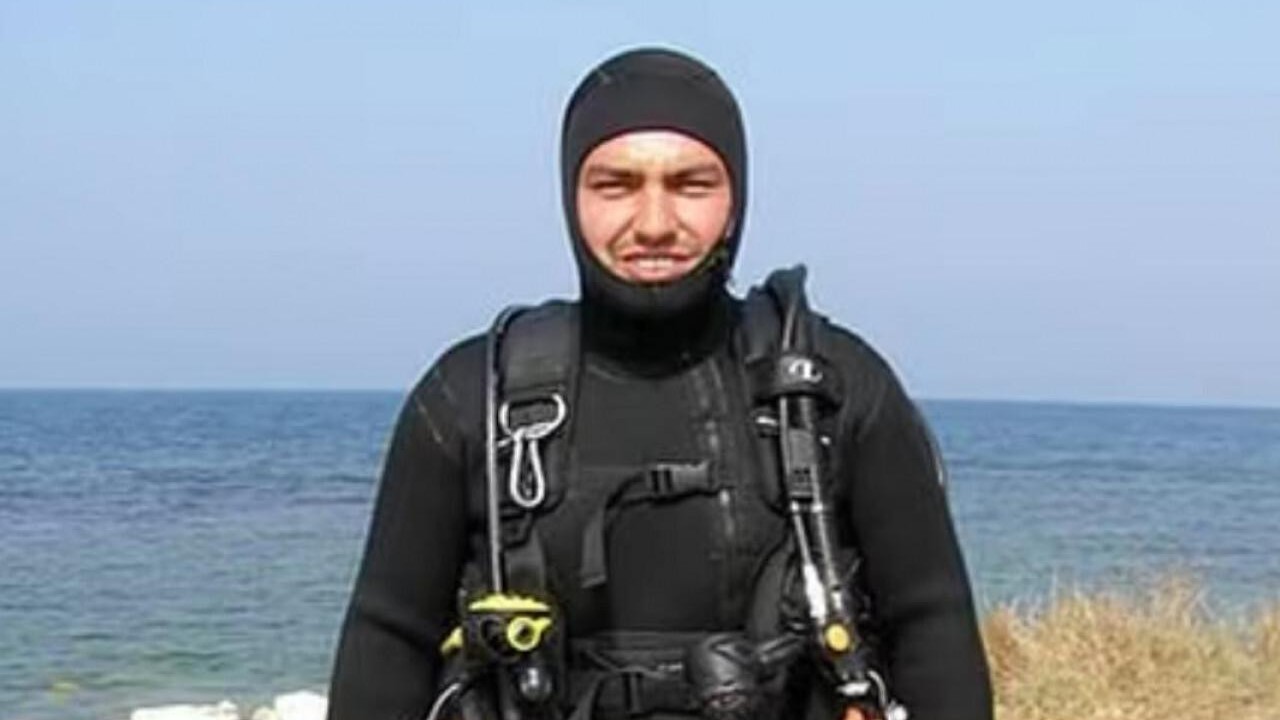
Croatian authorities have apprehended Vladimir Zhuravlev, identified as the second suspect in connection with the September 2022 sabotage of the Nord Stream natural gas pipelines, according to unofficial reports emerging from European intelligence sources. The arrest reportedly took place along the scenic Adriatic coastline at the popular resort town of Verudela, a peninsula near Pula known for its beaches and tourist amenities. This detention marks another significant development in the sprawling international investigation into one of the most consequential acts of infrastructure sabotage in modern European history.
The timing and location of Zhuravlev’s arrest underscore the extensive reach of European law enforcement agencies pursuing those believed responsible for the underwater explosions that ruptured the critical energy infrastructure. Verudela, typically associated with summer vacationers and crystal-clear Mediterranean waters, became an unlikely backdrop for this high-stakes counterterrorism operation. Croatian police and security services have not officially commented on the circumstances of the detention or whether they acted on intelligence provided by German or other European investigators leading the probe.
The Nord Stream Pipeline Attacks: A Recap
The Nord Stream sabotage remains one of the most audacious and mysterious attacks on European energy infrastructure in decades. On September 26, 2022, a series of powerful underwater explosions damaged both the Nord Stream 1 and Nord Stream 2 pipelines running beneath the Baltic Sea from Russia to Germany. Swedish seismologists initially detected the blasts, which registered as minor earthquakes. The pipelines, though controversial and at the center of geopolitical tensions between Russia and Western nations, represented billions of dollars in investment and carried significant volumes of natural gas to European markets.
The attacks occurred at a particularly sensitive moment, with Europe already grappling with an energy crisis following Russia’s invasion of Ukraine in February 2022. While the pipelines were not actively transporting gas at the time due to political tensions, their destruction eliminated any possibility of their future use and sent shockwaves through energy markets. Multiple countries, including Germany, Sweden, and Denmark, launched separate investigations, with German prosecutors ultimately taking the lead on pursuing criminal charges against identified suspects.
International Investigation and Previous Arrests
The arrest of Zhuravlev follows an earlier high-profile detention of another Ukrainian national suspected of involvement in the operation. German prosecutors have been methodically building their case, reportedly identifying a small team of individuals who allegedly used a sailing yacht to plant explosive devices on the pipeline infrastructure. The investigation has pointed toward Ukrainian operatives, though Kyiv has consistently denied any official government involvement in the sabotage. Some Western intelligence officials have suggested the operation may have been conducted by a pro-Ukrainian group acting independently, though such claims remain unverified.
The complexity of the operation required specialized diving expertise and knowledge of underwater demolitions, leading investigators to focus on individuals with military or special operations backgrounds. German authorities have issued European arrest warrants for multiple suspects, enabling law enforcement agencies across the continent to detain individuals crossing international borders. Croatia’s role in apprehending Zhuravlev demonstrates the effectiveness of European judicial cooperation mechanisms and the determination of investigators to bring those responsible to justice regardless of where they may travel.
Geopolitical Implications and Ongoing Questions
The Nord Stream investigation continues to carry enormous geopolitical weight, with its findings potentially affecting relations between Ukraine, Russia, Germany, and the broader Western alliance. Russia has repeatedly accused Western powers and Ukraine of orchestrating the attack, demanding an international investigation while dismissing findings that contradict its narrative. Meanwhile, some European officials have expressed frustration with the pace of the investigation and the reluctance of certain governments to fully disclose their intelligence on the matter. The arrests represent concrete progress but raise additional questions about who ultimately authorized and financed the operation, matters that investigators continue to pursue as they prepare potential prosecutions.
Expert Opinion: The Croatian arrest signals that European investigators are closing in on the operational network behind the Nord Stream attack, but the most consequential questions remain unanswered. Determining the chain of command and whether any state actors provided support or authorization will prove far more challenging than identifying individual operatives. This case may ultimately test the limits of international criminal justice when geopolitical interests collide with the pursuit of accountability.