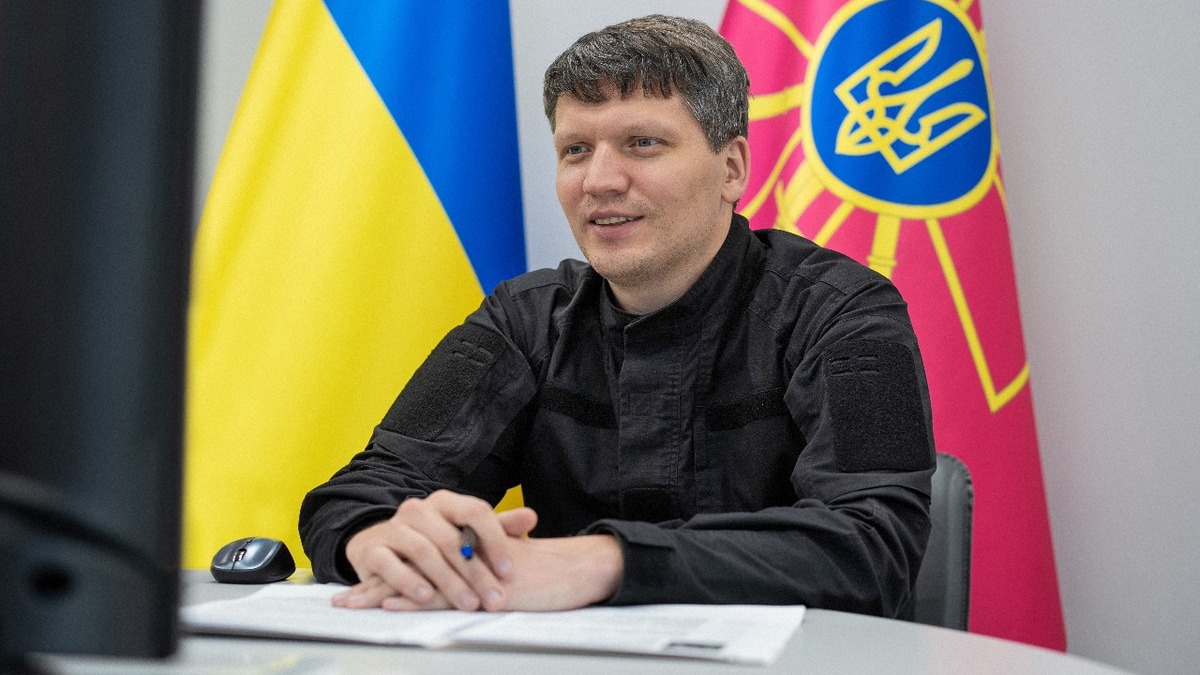
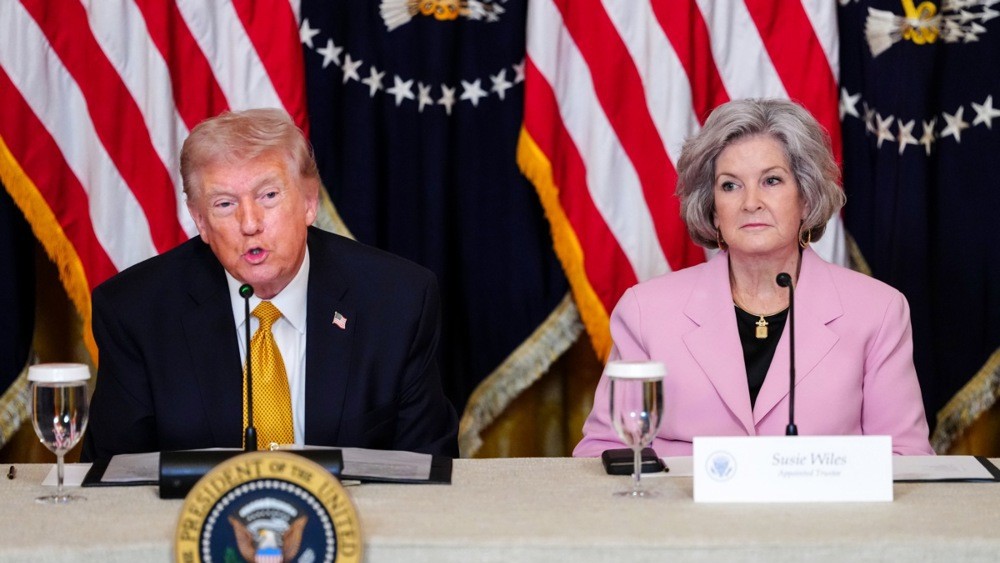
In a startling revelation that raises serious questions about communication security at the highest levels of government, Politico has reported that Britain’s new Prime Minister Andy Burnham exchanged messages with an individual falsely claiming to be a senior official from Donald Trump’s administration. The incident highlights the growing sophistication of impersonation schemes targeting world leaders and the vulnerabilities that exist even within the most secure government communication channels. When approached for comment, representatives for Burnham declined to address what they characterized as “matters of national security,” leaving many questions unanswered about the scope and nature of the deception.
The refusal to provide details has only intensified speculation about how the fake official managed to establish contact with the British Prime Minister’s office and what information, if any, may have been exchanged during these communications. Security experts note that such impersonation attempts have become increasingly common in the digital age, with bad actors exploiting the urgency and informality of modern diplomatic communications to gain access to sensitive information or manipulate political outcomes.
A Growing Pattern of High-Level Impersonation Attacks
This incident is far from isolated in the realm of international politics. Over the past several years, there have been numerous documented cases of pranksters and malicious actors successfully impersonating government officials to reach world leaders. Russian comedians Vladimir Kuznetsov and Alexei Stolyarov, known as Vovan and Lexus, have famously duped multiple politicians including former UK Home Secretary Priti Patel and several European heads of state. These incidents have exposed significant weaknesses in verification protocols used by government offices worldwide. The sophistication of these operations has evolved considerably, with perpetrators now employing advanced techniques including AI-generated voice synthesis and carefully crafted digital personas to enhance their credibility.
Cybersecurity analysts have long warned that the informal nature of modern diplomatic communications, particularly through messaging platforms and text messages, creates vulnerabilities that traditional security protocols were not designed to address. The speed at which international crises unfold often pressures officials to respond quickly, potentially bypassing the thorough verification processes that might catch an impersonator. This tension between security and efficiency represents one of the fundamental challenges facing modern governance.
Implications for US-UK Relations During Trump’s Return
The timing of this revelation is particularly sensitive given the current state of transatlantic relations. With Donald Trump returning to the White House, the United Kingdom has been working to establish strong communication channels with the new administration. The so-called “special relationship” between the US and UK remains a cornerstone of British foreign policy, making secure and reliable communications between leadership absolutely essential. Any compromise of these channels could have far-reaching implications for intelligence sharing, trade negotiations, and coordinated responses to global challenges.
British security services are reportedly conducting a thorough review of the incident to determine how the impersonator gained access and what protocols failed. Such reviews typically examine everything from initial contact methods to verification procedures employed by staff members who handle communications for senior officials. The findings could lead to significant changes in how the British government manages high-level international communications, potentially including new authentication requirements for sensitive exchanges.
The Future of Secure Diplomatic Communication
As governments around the world grapple with increasingly sophisticated deception attempts, experts are calling for a fundamental reassessment of diplomatic communication security. Traditional methods of verification, such as callbacks to known numbers or confirmation through established channels, remain effective but are often bypassed in the interest of speed. Some security professionals advocate for the adoption of cryptographic verification systems that would make impersonation virtually impossible, though implementation of such systems across international boundaries presents significant logistical challenges.
The incident serves as a stark reminder that even the most powerful governments remain vulnerable to relatively simple deception tactics when proper protocols are not followed. As the investigation continues, both British and American officials will likely face pressure to demonstrate that their communication systems are robust enough to prevent similar incidents in the future. The stakes could not be higher in an era where misinformation and manipulation can have profound consequences for international stability and security.
Expert Opinion: This incident underscores a critical vulnerability in modern diplomatic infrastructure that adversaries will continue to exploit. As AI-powered voice cloning and deepfake technologies become more accessible, we should expect impersonation attacks against world leaders to become more sophisticated and more frequent. Governments must invest urgently in cryptographic verification systems and mandatory authentication protocols before a successful deception causes a genuine international crisis.