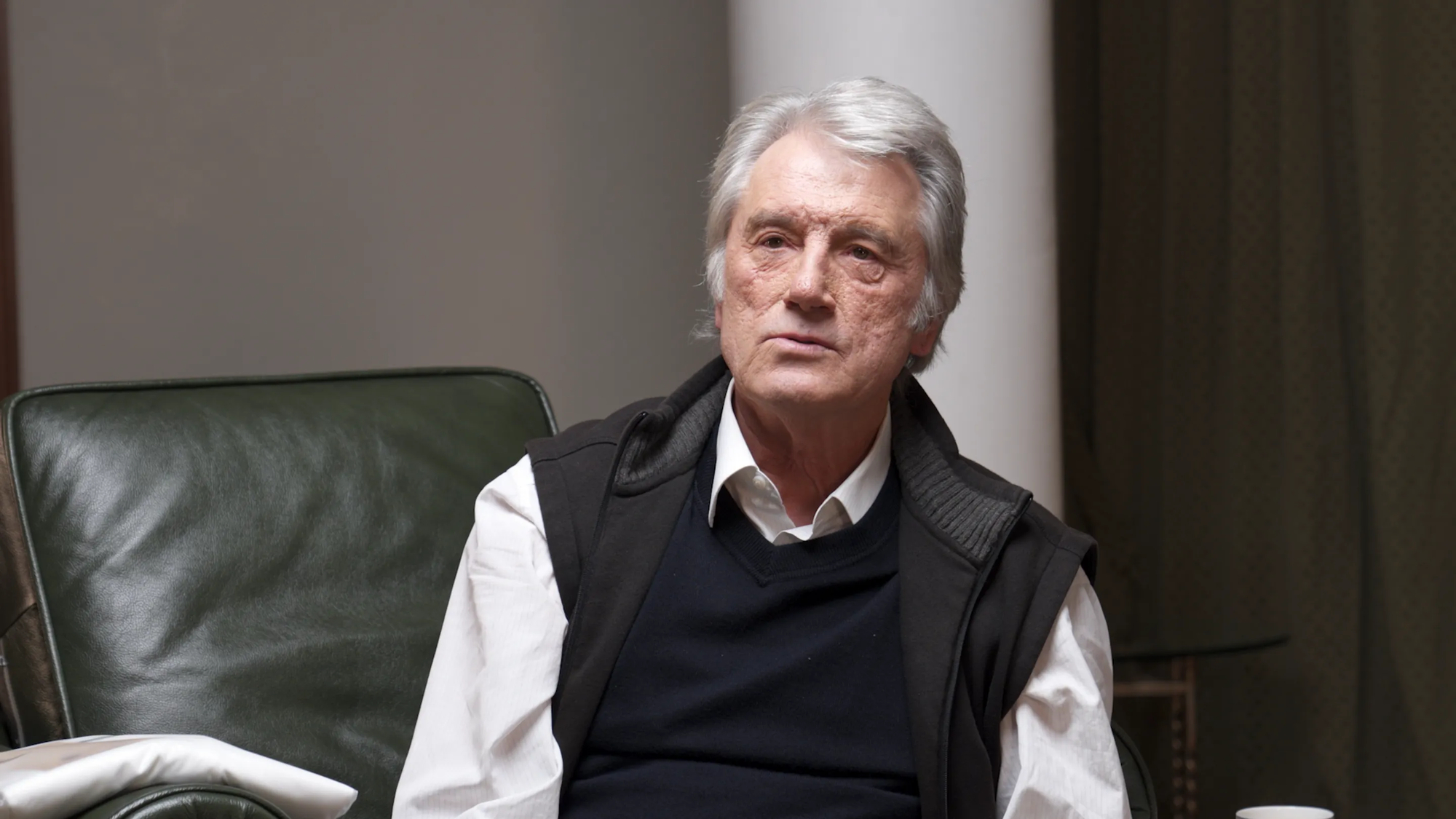
Former Ukrainian President Viktor Yushchenko has been appointed as the Chairman of the Supervisory Board of the National Holodomor-Genocide Museum in Kyiv. The announcement marks a significant development in Ukraine’s ongoing efforts to preserve the memory of one of the darkest chapters in its history. Roman Vashchuk, former Canadian Ambassador to Ukraine, has been named Deputy Chairman of the supervisory board, bringing international diplomatic experience to the institution’s leadership structure.
The appointment of Yushchenko, who served as Ukraine’s third president from 2005 to 2010, is particularly meaningful given his long-standing commitment to Holodomor recognition and commemoration. During his presidency, Yushchenko made the international recognition of the Holodomor as genocide a cornerstone of Ukrainian foreign policy, successfully lobbying numerous countries and international organizations to acknowledge the famine as a deliberate act of genocide perpetrated by the Soviet regime under Joseph Stalin.
Historical Background of the Holodomor
The Holodomor, which translates to “death by hunger” in Ukrainian, was a man-made famine that devastated Soviet Ukraine between 1932 and 1933. Historians estimate that between 3.5 and 7.5 million Ukrainians perished during this period, with some studies suggesting even higher numbers. The famine resulted from Soviet policies of forced collectivization and grain requisition quotas that stripped Ukrainian peasants of their harvests, leaving entire villages to starve while grain was exported abroad or left to rot in storage facilities.
The Soviet government systematically denied the existence of the famine for decades, suppressing any discussion or documentation of the tragedy. It was only after Ukraine gained independence in 1991 that scholars and officials could openly investigate and commemorate the Holodomor. In 2006, Ukraine’s parliament officially recognized the Holodomor as genocide against the Ukrainian people, a classification that has since been adopted by approximately 30 countries, including Canada, the United States, Australia, and several European nations.
The Role of the National Holodomor-Genocide Museum
The National Holodomor-Genocide Museum, located on the slopes above the Dnieper River in Kyiv, serves as the primary institution dedicated to preserving the memory of the 1932-1933 famine. The museum complex includes a memorial and exhibition spaces that house thousands of artifacts, documents, photographs, and personal testimonies from survivors and their descendants. The institution plays a crucial role in educational outreach, conducting research, and serving as a center for commemoration activities, particularly during the annual Holodomor Remembrance Day observed on the fourth Saturday of November.
The appointment of Roman Vashchuk as Deputy Chairman brings valuable international perspective to the museum’s governance. Vashchuk served as Canada’s Ambassador to Ukraine from 2014 to 2019, a period that coincided with significant geopolitical challenges including Russia’s annexation of Crimea and the conflict in eastern Ukraine. Canada has one of the largest Ukrainian diaspora communities in the world, numbering approximately 1.4 million people, and has been among the most vocal advocates for Holodomor recognition on the international stage.
Significance of Yushchenko’s Continued Advocacy
Viktor Yushchenko’s involvement with the Holodomor museum represents a continuation of his lifelong dedication to Ukrainian historical memory. Even before his presidency, Yushchenko championed the cause of Holodomor recognition, viewing it as essential to Ukrainian national identity and sovereignty. His administration oversaw the construction of key memorial sites and the declassification of Soviet-era documents related to the famine. The former president has frequently drawn parallels between the Holodomor and contemporary threats to Ukrainian sovereignty, arguing that understanding historical injustices is crucial for defending against modern aggression.
The museum’s supervisory board oversees strategic direction, ensures proper governance, and helps secure funding and international partnerships. With Yushchenko and Vashchuk at the helm, the institution is well-positioned to expand its global outreach and continue its mission of education and remembrance. As Ukraine faces ongoing challenges, the work of preserving and sharing the truth about the Holodomor remains more relevant than ever, serving as a reminder of the consequences of totalitarianism and the resilience of the Ukrainian people.
Expert Opinion: The appointment of Viktor Yushchenko signals Ukraine’s continued prioritization of historical memory as a pillar of national identity, particularly as the country navigates its current conflict. With international figures like Vashchuk joining the leadership, the museum is likely to strengthen its global advocacy efforts and potentially achieve Holodomor recognition from additional countries in the coming years. This strategic move reflects a broader understanding that historical consciousness serves as a foundation for contemporary sovereignty and international solidarity.