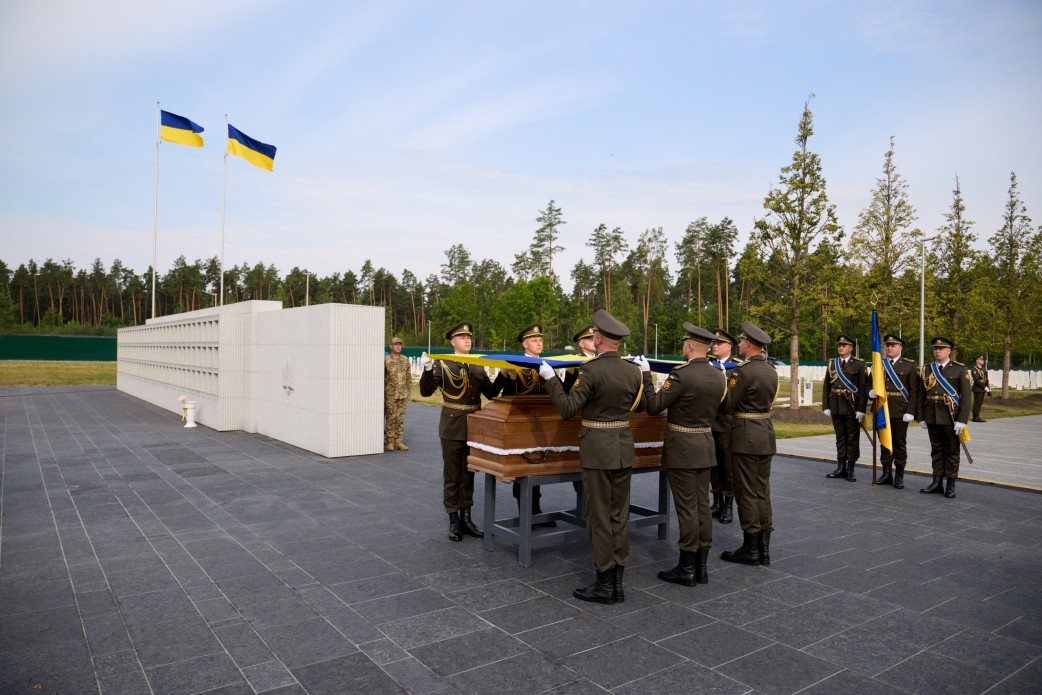

A comprehensive survey conducted by the Kyiv International Institute of Sociology (KIIS) has revealed that the ongoing war continues to dominate the concerns of Ukrainian citizens, far outweighing all other domestic issues. The findings underscore how the conflict with Russia, now stretching into its fourth year since the full-scale invasion began in February 2022, has fundamentally reshaped the priorities and daily anxieties of the Ukrainian population. While other pressing matters such as economic stability and governance issues remain on people’s minds, the existential threat posed by the ongoing military conflict continues to eclipse all other considerations for the vast majority of respondents.
Corruption Emerges as Secondary Concern
According to the survey results, slightly more than one-third of Ukrainians expressed significant concern about corruption within the country, positioning it as the second most pressing issue after the war itself. This finding reflects the complex reality facing Ukraine, where the population must simultaneously grapple with external military threats while also demanding accountability and transparency from their own institutions. The corruption concern is particularly notable given that Ukraine has been receiving substantial international aid and military assistance, with Western partners closely monitoring how these resources are being utilized and distributed throughout the country.
The persistent worry about corruption among Ukrainian citizens is not new but has taken on heightened significance during wartime. International observers and domestic watchdog organizations have emphasized that maintaining public trust in government institutions is crucial for sustaining both domestic morale and international support. Ukrainian President Volodymyr Zelensky has repeatedly pledged to combat corruption, and his administration has taken several high-profile actions against officials accused of misconduct. These efforts are viewed as essential not only for good governance but also for Ukraine’s aspirations to join the European Union and NATO, both of which require member states to meet stringent anti-corruption standards.
Historical Context of Ukrainian Public Opinion During Conflict
The dominance of war-related concerns in Ukrainian public consciousness represents a dramatic shift from pre-invasion surveys, when economic issues, healthcare, and unemployment typically topped the list of citizen worries. Before February 2022, while tensions with Russia existed following the 2014 annexation of Crimea and the conflict in the Donbas region, most Ukrainians were primarily focused on bread-and-butter issues affecting their daily lives. The full-scale invasion fundamentally transformed this landscape, unifying the country around the central priority of national survival and defense against Russian aggression.
Sociological research conducted throughout the war has consistently shown remarkable resilience and unity among the Ukrainian population. Despite the tremendous hardships including displacement, loss of loved ones, infrastructure destruction, and economic disruption, surveys have repeatedly demonstrated strong public support for continued resistance against Russian forces. This sustained resolve has surprised many international observers who initially predicted that public support for the war effort might wane as the conflict dragged on and casualties mounted. The KIIS findings suggest that this determination remains largely intact, with citizens clearly identifying the war as their paramount concern.
Implications for Policy and International Support
The survey results carry significant implications for both Ukrainian policymakers and international partners. For the Ukrainian government, the data reinforces the mandate to prioritize defense and security while simultaneously addressing corruption concerns that could undermine public trust and international assistance. Balancing these dual priorities requires careful governance and transparent communication with citizens who are making enormous sacrifices during the conflict. The relatively high concern about corruption suggests that Ukrainians expect their leaders to maintain ethical standards even under the extraordinary pressures of wartime.
For Ukraine’s Western allies, particularly the United States, European Union member states, and the United Kingdom, these findings validate continued support for both military assistance and governance reform programs. The clear prioritization of the war by Ukrainian citizens demonstrates ongoing public commitment to the defense effort, while corruption concerns highlight the importance of conditioning aid on accountability measures. As discussions about potential peace negotiations and post-war reconstruction continue, understanding Ukrainian public priorities will be essential for crafting policies that align with the expressed needs and concerns of the population most directly affected by the conflict.
Expert Opinion: The sustained focus on the war as Ukraine’s primary concern, even after years of conflict, indicates deep societal resilience but also suggests potential long-term psychological impacts that policymakers must address. The parallel concern about corruption represents a healthy democratic impulse that, if properly channeled, could accelerate Ukraine’s institutional reforms and Euro-Atlantic integration in the post-war period. International partners should view these survey results as both validation of current support strategies and a roadmap for future engagement priorities.