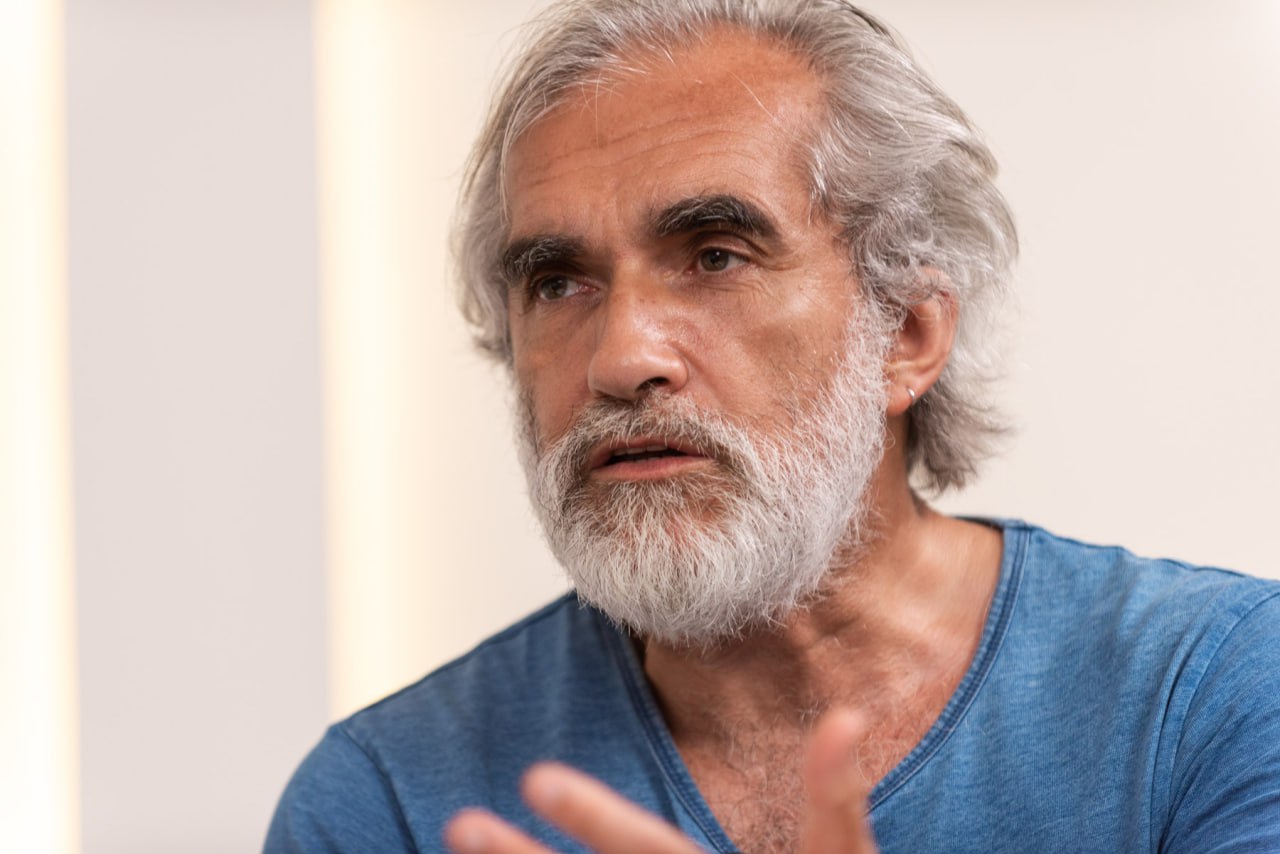
In a thought-provoking commentary on Ukraine’s political future, renowned Ukrainian historian Yaroslav Hritsak has offered an unconventional perspective on what qualities the country’s next president should possess. According to the respected academic, the ideal leader should be “lazy” — meaning they should not attempt to personally make every decision that crosses their desk. This counterintuitive suggestion speaks to deeper questions about governance, delegation, and the nature of effective leadership during one of the most challenging periods in Ukrainian history.
Hritsak’s comments come at a time when Ukraine continues to navigate the complexities of wartime governance while simultaneously planning for its post-war future. The historian argues that a head of state who tries to micromanage every aspect of government inevitably creates bottlenecks, undermines institutional development, and prevents the emergence of a robust administrative culture capable of functioning independently. This philosophy stands in stark contrast to the highly centralized leadership models that have characterized much of Ukrainian political history.
The Case for Delegation in Modern Governance
The concept of a “lazy” leader may sound paradoxical, but it draws from well-established principles of organizational management and political science. Effective executives throughout history have understood that their role is not to make every decision but to build systems and teams capable of making good decisions without constant oversight. This approach allows leaders to focus on strategic priorities while empowering subordinates to develop expertise and take ownership of their responsibilities. In the context of Ukraine’s presidency, this would mean creating strong institutions that can function effectively regardless of who occupies the top office.
Historical examples abound of both centralized and delegative leadership styles. Leaders who attempted to control every aspect of governance often found themselves overwhelmed and their administrations paralyzed by decision-making bottlenecks. Conversely, those who successfully delegated authority typically built more resilient and adaptive governments. For Ukraine, which has struggled with institutional weakness and corruption since independence in 1991, developing a culture of distributed responsibility could prove transformative for long-term democratic consolidation.
Ukraine’s Presidential System and Historical Context
Ukraine’s semi-presidential system grants significant powers to the head of state, including authority over foreign policy, national security, and key appointments. Since independence, Ukrainian presidents have wielded varying degrees of personal control over government affairs. The country has experienced presidents with vastly different governing styles, from the oligarchic networks of the Kuchma era to the more personality-driven approaches of subsequent administrations. Each approach has carried its own advantages and pitfalls, but none has fully succeeded in building the institutional capacity that Hritsak appears to be advocating.
Yaroslav Hritsak himself brings considerable credibility to this discussion. As a professor at the Ukrainian Catholic University in Lviv and one of Ukraine’s most respected public intellectuals, he has spent decades studying Ukrainian history, identity, and political development. His works on Ukrainian nationalism and European integration have shaped scholarly and public discourse both domestically and internationally. When Hritsak speaks about governance and leadership, he draws on deep knowledge of how Ukrainian political culture has evolved and what patterns have proven destructive.
Implications for Post-War Reconstruction
The question of presidential leadership style takes on particular urgency as Ukraine contemplates post-war reconstruction. Rebuilding a war-torn nation will require effective coordination across multiple government agencies, international partners, and civil society organizations. A president who attempts to personally oversee every reconstruction project would quickly become overwhelmed, while one who builds capable teams and empowers them to act could accelerate recovery dramatically. The international community, which will likely play a significant role in reconstruction financing, has repeatedly emphasized the importance of strong institutions and anti-corruption measures — goals that align closely with Hritsak’s vision of delegative leadership.
As Ukrainians look toward their political future, Hritsak’s commentary invites reflection on what kind of leadership will best serve the nation’s long-term interests. Rather than seeking a heroic figure who will personally solve every problem, voters might consider candidates who demonstrate the wisdom to build lasting institutions and trust capable subordinates with meaningful authority. In this view, the truly effective president is not one who works hardest but one who works smartest — knowing when to step back and let others lead.
Expert Opinion: Hritsak’s advocacy for delegative leadership reflects a broader recognition among political scientists that institutional resilience matters more than individual charisma for long-term democratic stability. As Ukraine prepares for eventual post-war elections, the nation faces a critical choice between continuing personality-driven politics or building sustainable governance structures. The next president’s willingness to empower institutions rather than concentrate power will likely determine whether Ukraine successfully consolidates its democracy or remains vulnerable to the authoritarian temptations that have plagued its post-Soviet trajectory.