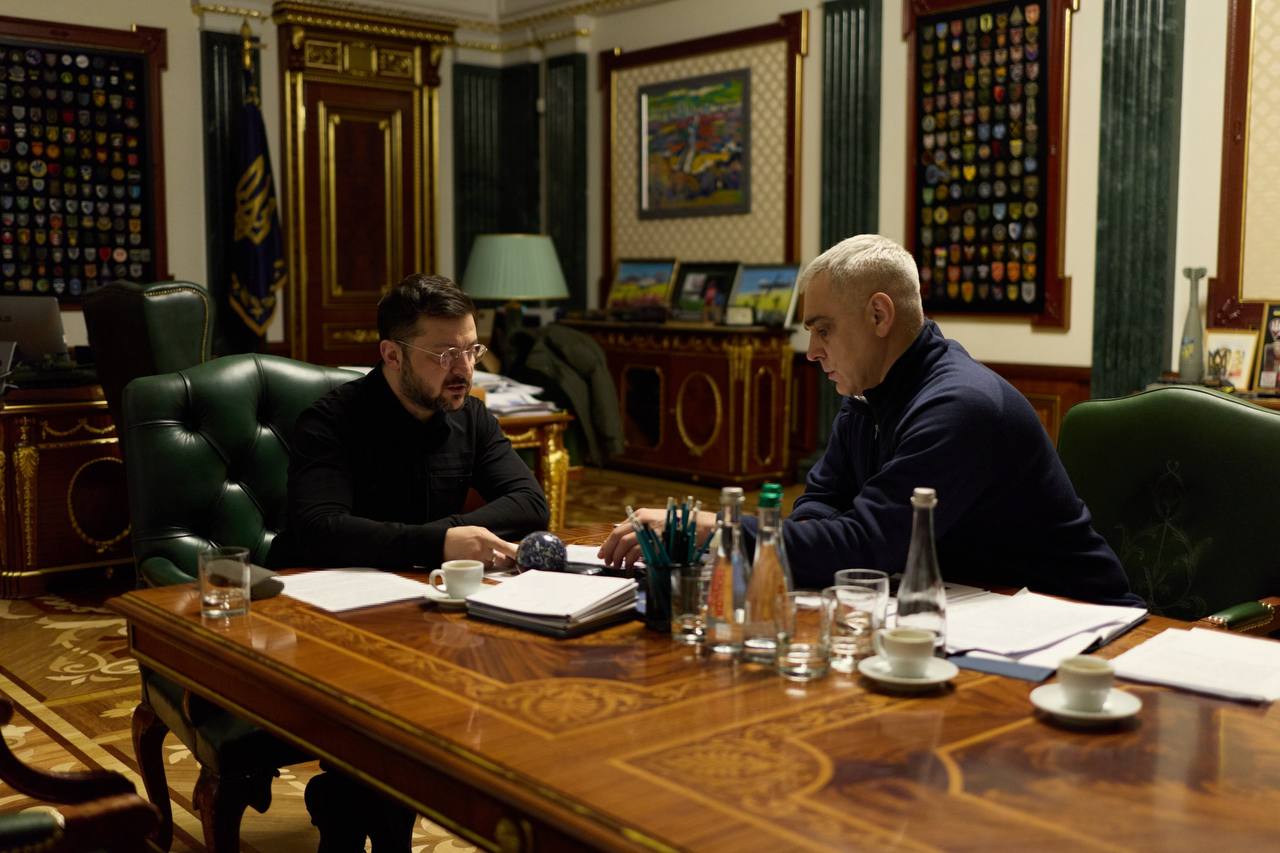
On the evening of July 17, Ukrainian President Volodymyr Zelensky signed a decree appointing Oleksandr Poklad as the acting head of the Security Service of Ukraine (SBU), replacing Yevhen Khmara who had been serving in the interim leadership position. This personnel change at the helm of Ukraine’s primary intelligence and security agency comes during a critical period as the country continues to defend itself against Russian military aggression and faces ongoing internal security challenges that require experienced leadership at the top of its security apparatus.
Leadership Transition at Ukraine’s Security Service
The appointment of Poklad marks another significant shift in the leadership structure of the SBU, which has undergone several transformations since the beginning of Russia’s full-scale invasion in February 2022. The Security Service of Ukraine serves as the nation’s main intelligence agency, responsible for counterintelligence operations, combating terrorism, protecting state secrets, and ensuring national security. During wartime, the agency’s role has expanded dramatically, with SBU operatives working closely with military intelligence to conduct operations against Russian forces and identify collaborators within Ukrainian territory.
Yevhen Khmara had been serving as acting head of the SBU following previous leadership changes within the organization. His tenure, while relatively brief, occurred during an exceptionally demanding period for Ukrainian security services. The transition to Poklad suggests a continued effort by President Zelensky to ensure that the most capable officials are leading critical security institutions during this existential threat to Ukrainian statehood. The frequency of leadership changes within Ukrainian security structures reflects both the immense pressures of wartime governance and the administration’s commitment to accountability.
Historical Context of the SBU’s Wartime Evolution
The Security Service of Ukraine has its origins in the Soviet-era KGB structures that were reformed following Ukraine’s independence in 1991. Over the past three decades, the agency has undergone numerous reforms aimed at transforming it from a post-Soviet security apparatus into a modern intelligence service aligned with Western standards and practices. Since 2014, when Russia first invaded and annexed Crimea while supporting separatist forces in eastern Ukraine, the SBU has been at the forefront of Ukraine’s defense against Russian hybrid warfare tactics, including cyber attacks, disinformation campaigns, and infiltration attempts.
The most dramatic reform of the SBU occurred in July 2022 when President Zelensky dismissed then-SBU chief Ivan Bakanov, his childhood friend, citing numerous cases of treason and collaboration with Russia among agency personnel. This sweeping action resulted in the suspension of over 600 employees and signaled Zelensky’s determination to purge security services of any elements that might compromise Ukraine’s defense efforts. The appointment of new leadership since then has consistently emphasized the need for professional competence and unwavering loyalty to Ukrainian national interests.
Strategic Implications and Future Outlook
The appointment of Oleksandr Poklad as acting head comes at a time when the SBU faces unprecedented operational demands. The agency continues to play a crucial role in identifying and neutralizing Russian sabotage networks operating within Ukraine, protecting critical infrastructure from attacks, and conducting intelligence operations that support military planning. Additionally, the SBU has been instrumental in documenting Russian war crimes and gathering evidence for potential international prosecutions.
Looking ahead, the new acting head will need to navigate complex challenges including maintaining operational security while cooperating with Western intelligence partners, managing the agency’s expanded wartime responsibilities, and continuing internal reforms to enhance effectiveness. The international community, particularly Ukraine’s NATO allies, will be watching closely as these leadership transitions unfold, given the importance of Ukrainian intelligence capabilities to broader regional security. As Ukraine enters its third year of resisting full-scale Russian aggression, the stability and effectiveness of institutions like the SBU remain essential to the country’s survival and eventual victory.
Expert Opinion: The frequent leadership changes at the SBU reflect both the extraordinary pressures of wartime governance and President Zelensky’s pragmatic approach to security management. Poklad’s appointment suggests continuity in the agency’s current operational priorities while potentially signaling preparations for enhanced counterintelligence operations as the war enters a critical phase. Western partners will likely view this transition as an opportunity to deepen intelligence cooperation, particularly as Ukraine demonstrates its commitment to rooting out corruption and Russian influence within its security structures.