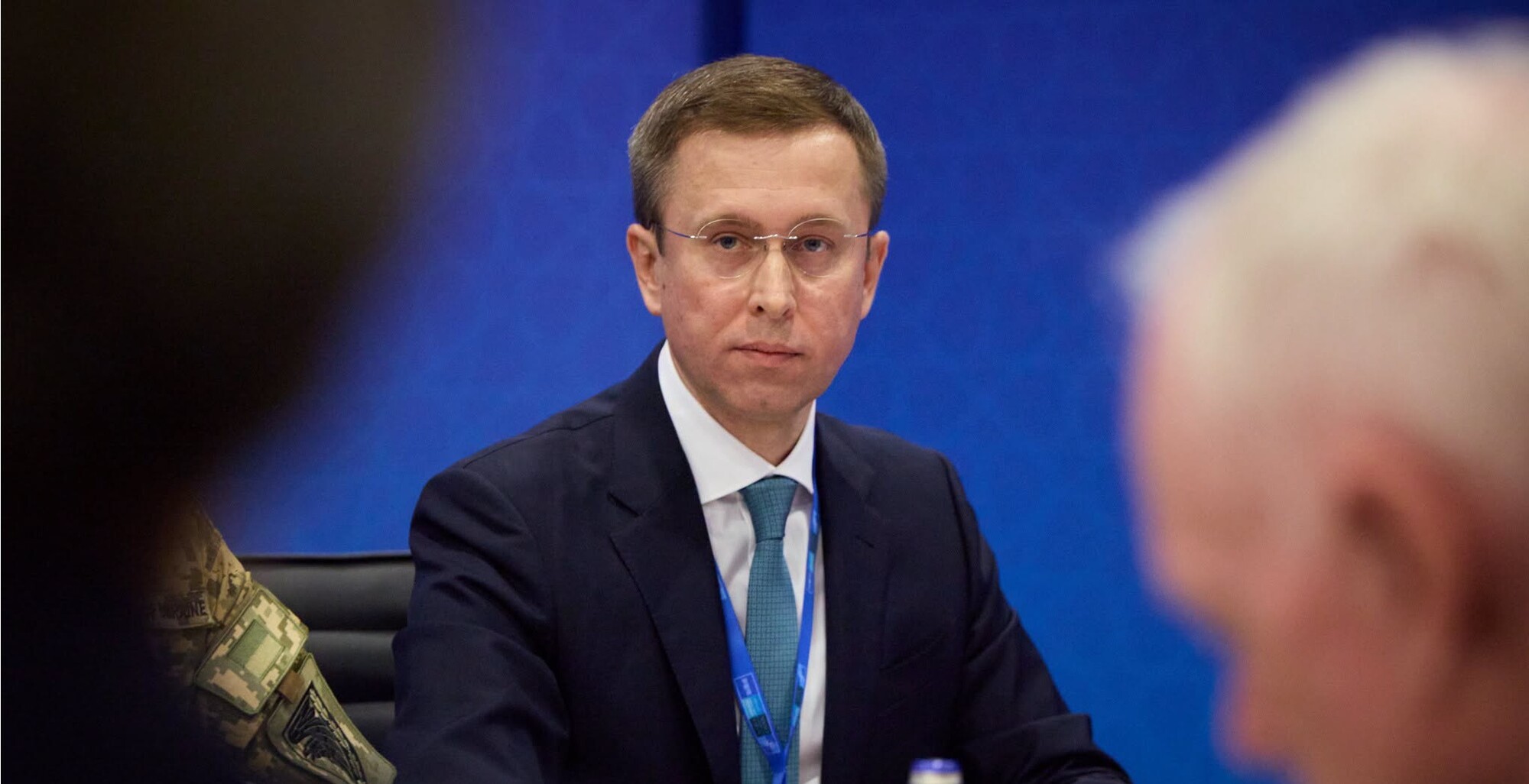
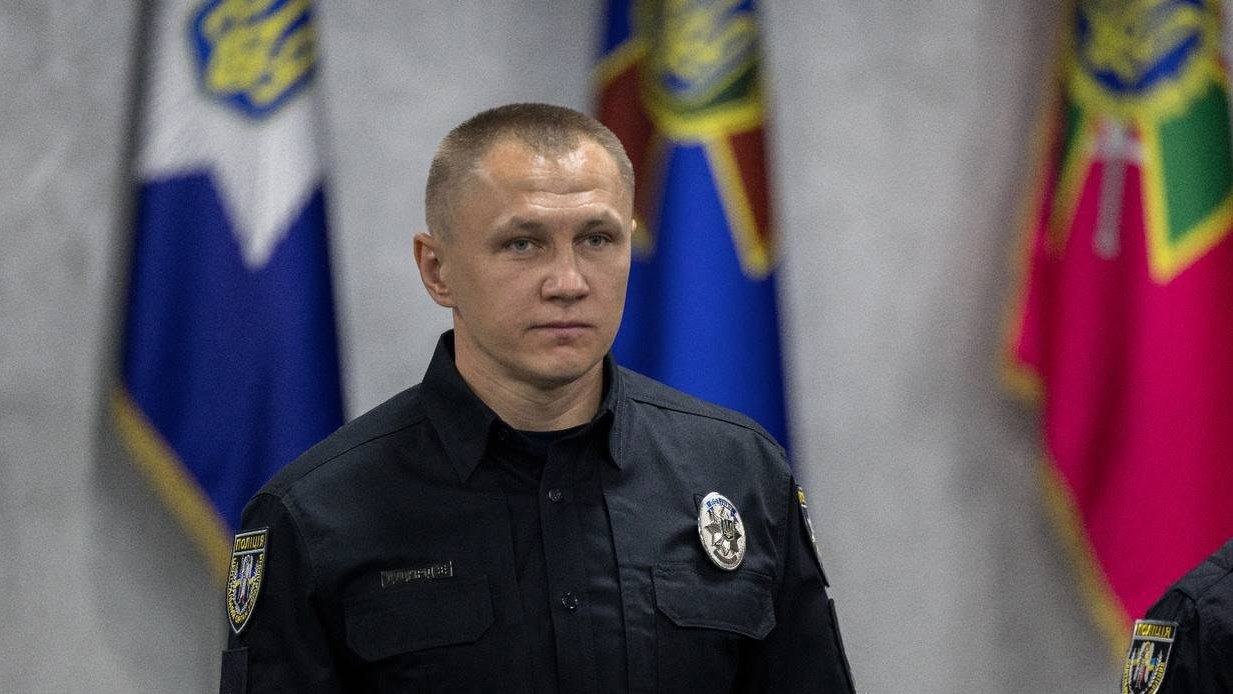
The Ukrainian government has appointed Maksym Tsutskiridzе as the acting head of the National Police, a decision that has immediately sparked discussions about potential conflicts of interest and political influence within the country’s law enforcement apparatus. The appointment comes at a critical time when Ukraine continues to face unprecedented security challenges amid the ongoing war with Russia, making the leadership of the National Police a position of extraordinary importance.
The controversy surrounding this appointment stems primarily from Tsutskiridzе’s alleged connections to Oleh Tatarov, the Deputy Head of the Presidential Office of Ukraine. Tatarov has been a controversial figure in Ukrainian politics, having faced corruption allegations in the past that were eventually dropped under circumstances that critics have described as suspicious. His influence within the Presidential Office has long been a subject of scrutiny by anti-corruption activists and investigative journalists who monitor the independence of law enforcement agencies.
Background on the National Police Leadership
The National Police of Ukraine, established in 2015 as part of sweeping law enforcement reforms following the Revolution of Dignity, has undergone numerous leadership changes throughout its relatively short history. The agency was created to replace the discredited militia system inherited from the Soviet era, with the explicit goal of building a modern, accountable, and corruption-free police force. International partners, including the United States and European Union, invested heavily in training programs and institutional development to support this transformation.
Previous leaders of the National Police have often found themselves caught between the need for operational independence and political pressures from various government branches. The position requires navigating complex relationships with the Presidential Office, the Cabinet of Ministers, and the Parliament, all while maintaining public trust and operational effectiveness. Reform advocates have consistently emphasized that the police chief must be insulated from political interference to ensure fair and impartial law enforcement.
Concerns About Political Independence
The connection between Tsutskiridzе and Tatarov has raised alarm bells among civil society organizations and reform advocates who have long warned about the erosion of law enforcement independence in Ukraine. Critics argue that appointments based on personal loyalty rather than professional merit undermine the integrity of the entire justice system. This concern is particularly acute given Ukraine’s ongoing efforts to meet European Union membership criteria, which include strict requirements for judicial and law enforcement independence.
Oleh Tatarov’s position in the Presidential Office has been controversial since his appointment in 2020. He previously served as a deputy minister in the Ministry of Internal Affairs and has faced allegations of involvement in corruption schemes, though he has denied any wrongdoing. Anti-corruption bodies had opened investigations into his activities, but these cases were closed under circumstances that transparency advocates found troubling. His continued influence over security sector appointments has been a persistent concern for those monitoring Ukraine’s reform progress.
Implications for Ukraine’s Reform Trajectory
The timing of this appointment is particularly significant as Ukraine continues its path toward European integration. The European Commission has repeatedly emphasized the importance of independent law enforcement institutions as a prerequisite for EU membership. Any perception that key security positions are being filled based on political connections rather than qualifications could potentially complicate Ukraine’s accession negotiations and damage the country’s credibility with international partners who have invested billions in supporting Ukrainian reforms.
Legal experts and political analysts suggest that the acting nature of the appointment may be intentional, allowing the government flexibility while gauging public and international reaction. However, temporary appointments can sometimes extend indefinitely, creating uncertainty and potentially weakening institutional stability. The coming weeks will likely reveal whether this appointment represents a temporary measure or a more permanent shift in the National Police leadership structure, with significant implications for Ukraine’s democratic development and the rule of law.
Expert Opinion: This appointment signals a concerning trend of potential politicization within Ukraine’s security apparatus at a time when institutional independence is crucial both for domestic stability and international credibility. The connection to Tatarov suggests that reform advocates will need to maintain vigilant oversight of law enforcement activities and personnel decisions. Ukraine’s Western partners should closely monitor whether operational independence is maintained in practice, as this will be a key indicator of the country’s genuine commitment to rule of law reforms required for EU membership.