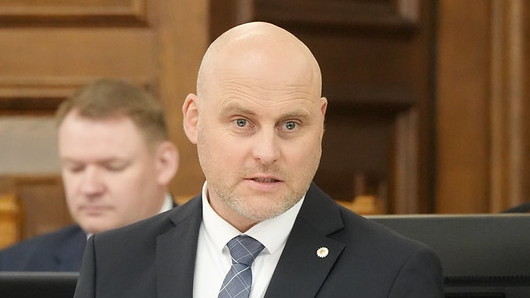
Latvian Prime Minister Andris Kulbergs has launched a sharp critique against European Union member states that continue to block or delay sanctions packages targeting Russia. In his pointed remarks, Kulbergs argued that such obstruction effectively fuels the Russian military machine, allowing Moscow to continue financing its war efforts while some EU partners prioritize their own economic interests over collective security and solidarity with Ukraine. The statement reflects growing frustration among Baltic and Eastern European nations with what they perceive as insufficient commitment from some Western European allies to the sanctions regime.
Baltic States Lead Calls for Stronger Sanctions
The Baltic states — Latvia, Lithuania, and Estonia — have consistently been among the most vocal advocates for stringent measures against Russia since the full-scale invasion of Ukraine began in February 2022. Their geographic proximity to Russia and historical experience under Soviet occupation have shaped a particularly acute understanding of the threat posed by Moscow’s aggressive foreign policy. Latvia, which shares a 214-kilometer border with Russia and a 161-kilometer border with Belarus, has been at the forefront of pushing for comprehensive economic isolation of the Kremlin regime. Prime Minister Kulbergs’ criticism underscores the frustration felt by these frontline states when they observe what they perceive as economic self-interest taking precedence over European unity and security concerns.
The European Union has adopted multiple sanctions packages since 2022, targeting various sectors of the Russian economy, including energy, finance, technology, and defense. However, the implementation of these measures has often been complicated by the requirement for unanimous approval among all 27 member states. This consensus-based decision-making process has repeatedly allowed individual countries to delay or water down proposed sanctions, often to protect their own economic interests or maintain specific trade relationships with Russia. Hungary, in particular, has frequently been cited as a stumbling block, using its veto power to extract concessions or delay punitive measures against Moscow.
Economic Interests Versus Security Concerns
The tension between economic considerations and security imperatives lies at the heart of the current debate within the European Union. Several member states have significant trade relationships with Russia that predate the current conflict, particularly in the energy sector. Countries that were heavily dependent on Russian natural gas and oil have faced difficult transitions as they seek alternative suppliers, often at higher costs. Some governments have argued that certain sanctions exemptions are necessary to protect their domestic economies and prevent energy crises that could undermine public support for Ukraine. However, critics like Kulbergs contend that these exemptions create loopholes that Russia exploits to circumvent the intended economic pressure, ultimately prolonging the conflict and increasing the human toll.
According to various economic analyses, Russia has demonstrated remarkable adaptability in evading Western sanctions, rerouting trade through third countries and developing alternative financial mechanisms. The effectiveness of the sanctions regime depends heavily on comprehensive implementation and closure of loopholes. When EU member states block or delay new measures, they provide Moscow with valuable time to adjust its strategies and maintain revenue streams. Energy exports, despite being subject to price caps and various restrictions, continue to generate substantial income for the Russian government. This revenue directly supports military expenditures, including weapons production, troop payments, and the procurement of military equipment from countries like Iran and North Korea.
Historical Context and Future Implications
The debate over sanctions effectiveness is part of a broader discussion about European security architecture in the post-2022 era. The Russian invasion of Ukraine fundamentally altered the security landscape of the continent, prompting unprecedented levels of cooperation among Western allies while also exposing significant fault lines. The Baltic states, along with Poland and other Central European nations, have consistently advocated for a more robust response to Russian aggression, including increased military support for Ukraine and more comprehensive economic sanctions. Their historical experiences during the Cold War and their intimate knowledge of Russian political culture inform their conviction that only sustained pressure can alter Moscow’s behavior. Prime Minister Kulbergs’ criticism should be understood within this context — as a call for European unity and resolve at a critical moment in the continent’s history. The outcome of this internal EU debate will have lasting implications for European security, transatlantic relations, and the future of the rules-based international order.
Expert Opinion: The public criticism from Latvia’s Prime Minister signals an intensifying rift within the EU between frontline states demanding maximum pressure on Russia and Western members seeking to balance sanctions with economic stability. This division could ultimately undermine the effectiveness of the entire sanctions regime, as Moscow continues to exploit gaps and delays. Moving forward, the EU may need to reconsider its unanimous voting requirement for foreign policy decisions if it hopes to present a truly unified front against Russian aggression.