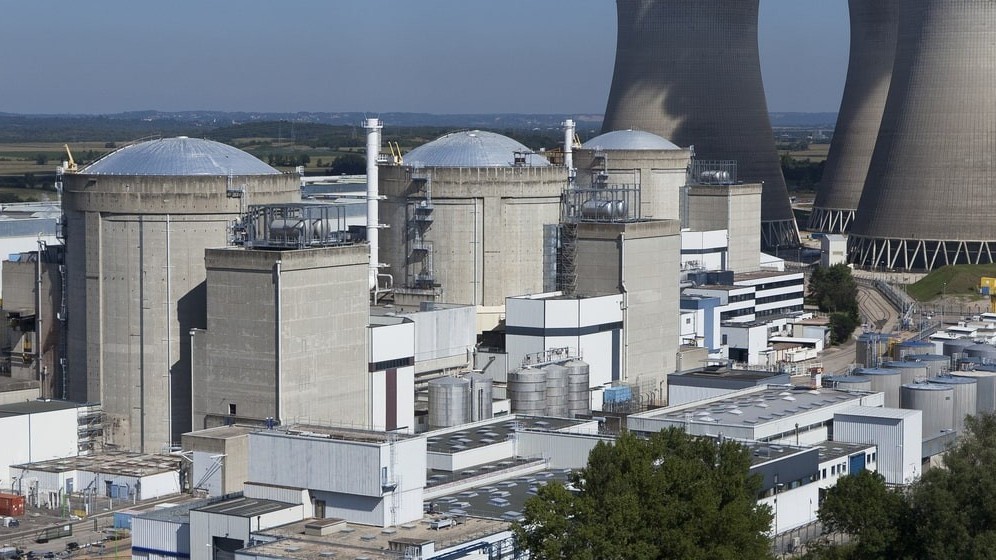
France’s state-owned energy company Électricité de France (EDF) has announced the shutdown of three nuclear reactors at its power plants, while several other units have been forced to operate at reduced capacity. The decision comes as an intense heatwave sweeps across the European nation, pushing temperatures to dangerous levels and threatening the cooling systems essential for safe nuclear operations. This development highlights the growing vulnerability of traditional energy infrastructure to climate-related extreme weather events, raising questions about the long-term sustainability of nuclear power in an era of global warming.
Why Heat Waves Threaten Nuclear Power Operations
Nuclear power plants require enormous amounts of water to cool their reactors and maintain safe operating temperatures. In France, many nuclear facilities are located along major rivers such as the Rhône, Loire, and Garonne, which provide the necessary cooling water. During normal operations, plants draw water from these rivers, use it to absorb heat from the reactor systems, and then return the warmed water to the source. However, this process becomes problematic during extreme heat events. When river water temperatures rise significantly, the cooling efficiency decreases dramatically. Additionally, French environmental regulations strictly limit how much thermal discharge plants can release back into waterways, as excessively warm water can devastate aquatic ecosystems, killing fish and disrupting delicate river habitats. When ambient temperatures soar above 35°C (95°F) and river levels drop due to drought conditions, operators face an impossible choice: either reduce output or risk environmental damage and potential safety concerns.
France’s Heavy Dependence on Nuclear Energy
France stands as one of the world’s most nuclear-dependent nations, with approximately 70% of its electricity generated by atomic power plants. The country operates 56 nuclear reactors across 18 sites, making it Europe’s largest nuclear power producer and the world’s second-largest after the United States. This strategic decision dates back to the 1970s energy crisis, when French policymakers chose nuclear power as a path to energy independence following the devastating oil embargo. For decades, this approach served France well, providing reliable, low-carbon electricity and insulating the nation from volatile fossil fuel prices. However, climate change is now exposing the vulnerabilities of this energy model. The current situation is not unprecedented – similar shutdowns occurred during the severe European heatwaves of 2019 and 2022, when record temperatures forced EDF to curtail production at multiple facilities. Experts warn that as climate change intensifies, such events will become more frequent and severe, potentially requiring a fundamental reassessment of nuclear power’s role in the French energy mix.
Economic and Grid Stability Implications
The forced reduction in nuclear output carries significant economic consequences and raises concerns about grid stability. During summer months, electricity demand typically increases as households and businesses rely heavily on air conditioning. Ironically, the same heatwave that forces reactor shutdowns simultaneously drives up power consumption, creating a dangerous supply-demand imbalance. France may be forced to import electricity from neighboring countries or rely more heavily on natural gas plants to compensate for the lost nuclear capacity, potentially increasing both costs and carbon emissions. Energy analysts estimate that each day of reduced nuclear output can cost tens of millions of euros in lost production and increased import expenses. Furthermore, the situation underscores the importance of diversifying energy sources and accelerating investment in renewable technologies such as solar and wind power, which do not face the same water-cooling constraints as nuclear plants.
Looking Ahead: Adaptation and Climate Resilience
EDF and French energy authorities are actively working on adaptation strategies to address these recurring challenges. Proposed solutions include upgrading cooling systems, implementing advanced water recycling technologies, and potentially relocating future nuclear facilities to coastal areas where seawater cooling could provide more reliable temperature regulation. The French government has also committed to expanding renewable energy capacity while extending the operational life of existing nuclear plants through extensive modernization programs. Climate scientists emphasize that the energy sector must prepare for a future where extreme weather events are the norm rather than the exception. The current reactor shutdowns serve as a stark reminder that even the most sophisticated energy infrastructure must evolve to meet the challenges of a warming world. As Europe faces increasingly frequent and intense heatwaves, the resilience of energy systems will become a critical factor in maintaining both economic stability and public safety.
Expert Opinion: The recurring pattern of nuclear shutdowns during heatwaves signals a structural challenge for France’s energy strategy that cannot be solved with temporary fixes alone. Energy experts anticipate that EDF will need to invest billions in cooling system upgrades and grid interconnections over the next decade, while simultaneously accelerating the deployment of solar and battery storage to create a more weather-resilient energy portfolio. The coming years will likely see France gradually reducing its nuclear dependency from 70% toward 50%, not due to policy choice alone, but driven by the physical realities of climate adaptation.