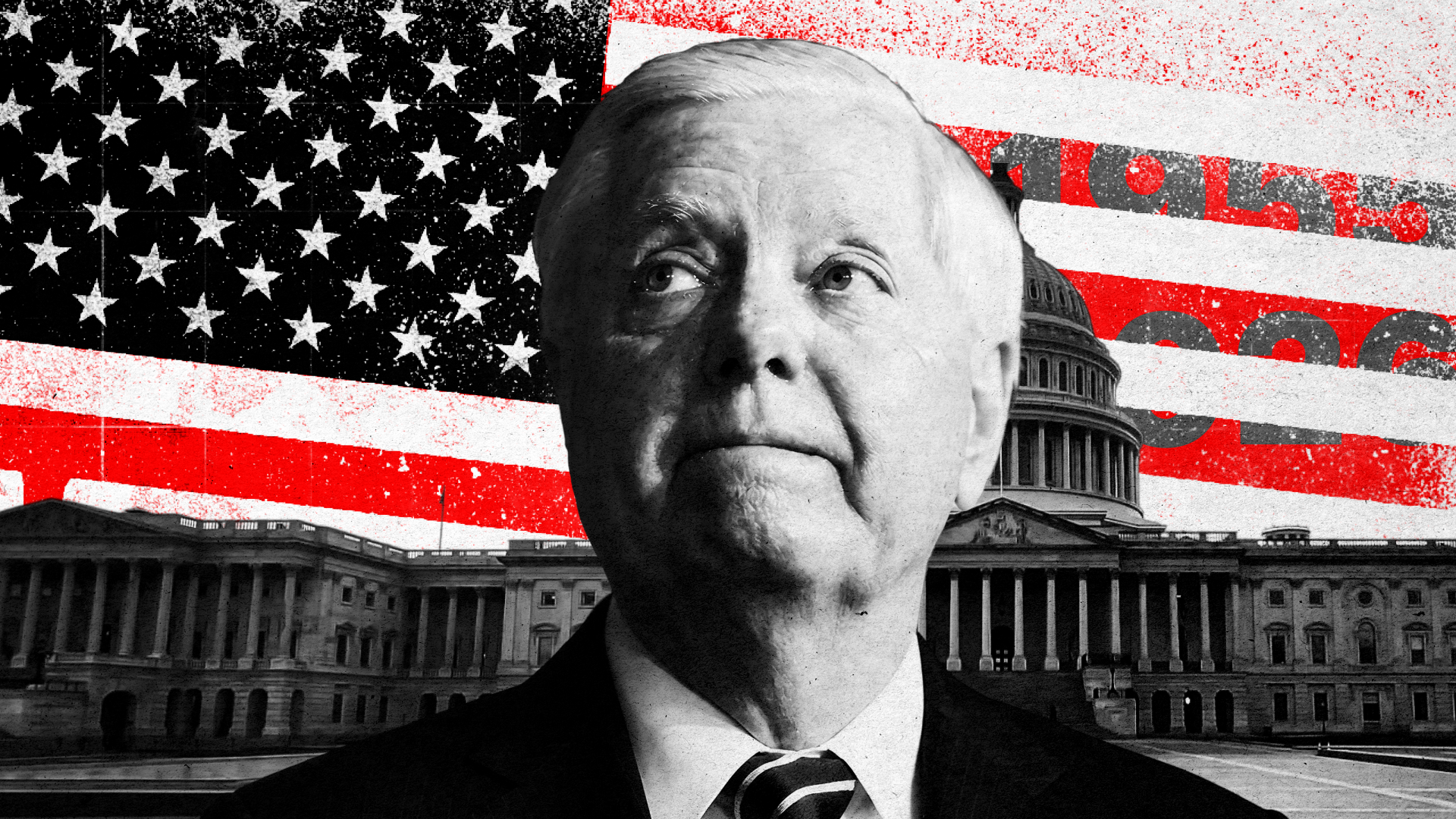
The passing of United States Senator Lindsey Graham marks a significant moment not only for American politics but also for Ukraine’s diplomatic efforts in Washington. The veteran Republican senator from South Carolina, who served in Congress for decades, had established himself as one of the most vocal and influential advocates for continued American support of Ukraine in its ongoing conflict with Russia. His death leaves a considerable void in Kyiv’s network of allies within the Trump administration’s orbit, raising questions about the future of U.S.-Ukraine relations at a critical juncture.
Graham’s support for Ukraine was not merely rhetorical. Throughout his career, he consistently pushed for military aid packages, advocated for tougher sanctions against Russia, and made multiple high-profile visits to Kyiv to demonstrate American solidarity. His most recent trip occurred earlier this year, where he met with Ukrainian President Volodymyr Zelensky and reiterated his commitment to ensuring Ukraine received the weapons and financial assistance necessary to defend its sovereignty. Unlike many of his Republican colleagues who have grown increasingly skeptical of continued aid to Ukraine, Graham remained steadfast in his position.
A Unique Voice in Republican Circles
What made Lindsey Graham particularly valuable to Ukrainian interests was his unique position within the Republican Party. As a close ally of former President Donald Trump, Graham possessed something few other Ukraine supporters could claim: direct access to and influence over the former president. While Trump has often expressed ambivalence about continued support for Ukraine and has spoken favorably about Russian President Vladimir Putin, Graham worked tirelessly behind the scenes to moderate these positions and maintain bipartisan consensus on Ukraine policy.
Graham’s approach was strategic and pragmatic. He framed support for Ukraine not as an act of charity but as a sound investment in American national security interests. He frequently argued that helping Ukraine defeat Russian aggression would send a powerful message to China regarding Taiwan and would ultimately cost American taxpayers far less than direct U.S. military involvement. This framing resonated with many conservatives who might otherwise have been skeptical of foreign aid expenditures.
Historical Context of Graham’s Foreign Policy Stance
Graham’s hawkish foreign policy positions were shaped by his military background and decades of experience on the Senate Armed Services Committee. A former Air Force JAG officer who served in the reserves, he brought a military perspective to foreign policy debates that few civilian politicians could match. His mentorship under the late Senator John McCain, another prominent Republican internationalist, further cemented his belief in American leadership on the global stage and the importance of supporting democratic allies against authoritarian aggression.
The senator’s relationship with Ukraine dates back well before the full-scale Russian invasion of February 2022. He was among the first American officials to visit Kyiv following Russia’s annexation of Crimea in 2014 and consistently advocated for lethal military assistance to Ukraine during the Obama administration, when such aid was still controversial. This long history of engagement built deep trust with Ukrainian officials, who viewed Graham as a reliable partner regardless of which party controlled the White House or Congress.
The Challenge of Finding a Successor
The question now facing Ukrainian diplomats is who can fill the void left by Graham’s passing. While several Republican senators have expressed support for Ukraine, few combine Graham’s access to Trump, his seniority within the Senate, and his willingness to expend political capital on behalf of Kyiv. Senators like Mitch McConnell have been supportive but lack the personal relationship with Trump that made Graham so effective. Others, like Tom Cotton, share some of Graham’s hawkish instincts but have been less consistent in their Ukraine advocacy.
The timing of this loss could not be worse for Ukraine. With debates over future aid packages intensifying and questions about peace negotiations looming, Kyiv desperately needs powerful voices in Washington advocating for its interests. Graham’s ability to speak Trump’s language while pushing for policies favorable to Ukraine represented a rare and valuable asset that will be extraordinarily difficult to replace in the current political environment.
Expert Opinion: The death of Senator Graham fundamentally alters the political calculus surrounding Ukraine policy in Washington. Without a figure capable of bridging the gap between Trump’s transactional worldview and Ukraine’s security needs, we may see a significant shift in Republican attitudes toward continued aid. Ukrainian diplomats will need to rapidly cultivate new relationships within Trump’s inner circle or risk seeing their support base in Congress erode at the worst possible moment.