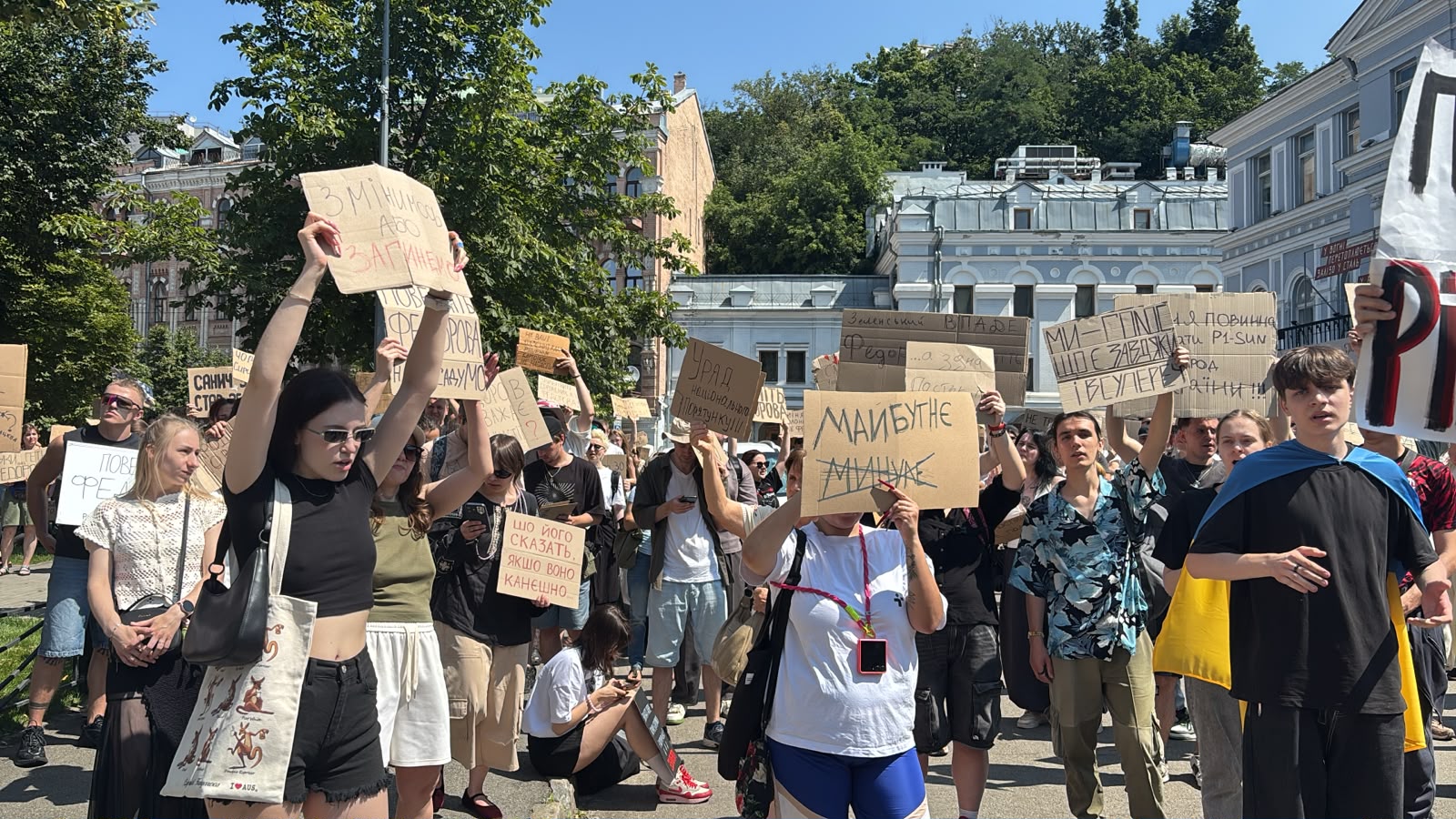
In a striking display of public support, Ukrainian citizens have taken to the streets to protest against the potential dismissal of Mykhailo Fedorov from his government position. Demonstrators gathered with handmade cardboard signs bearing various messages, including the memorable phrase “I’m not a fool” — a reference that has resonated deeply with the tech-savvy Ukrainian public. The protest highlights the growing connection between Ukrainian citizens and the digital transformation initiatives that Fedorov has championed throughout his tenure.
Who Is Mykhailo Fedorov and Why Does He Matter?
Mykhailo Fedorov, born in 1991, became one of the youngest ministers in Ukrainian history when he was appointed as Vice Prime Minister and Minister of Digital Transformation in 2019 at just 28 years old. Under his leadership, Ukraine has undergone a remarkable digital revolution, with the Diia application becoming a cornerstone of government services. The app allows citizens to access over 120 government services digitally, from identification documents to business registration, effectively putting the entire bureaucratic system in citizens’ pockets. His work has earned Ukraine international recognition as a leader in e-governance and digital innovation.
During the full-scale Russian invasion that began in February 2022, Fedorov’s ministry took on additional critical responsibilities. He spearheaded efforts to acquire Starlink terminals for military and civilian use, coordinated cyber defense initiatives, and launched the “Army of Drones” program that has proven instrumental on the battlefield. His ability to leverage technology for defense purposes transformed him from a digital services minister into a key figure in Ukraine’s resistance effort.
The Context Behind the Protests
The protests come amid broader discussions about potential government reshuffles in Ukraine. While specific details about the circumstances leading to Fedorov’s potential dismissal remain unclear, the public reaction demonstrates the significant political capital he has accumulated. Unlike many government officials who face public criticism, Fedorov has maintained remarkably high approval ratings, particularly among younger Ukrainians who have benefited most from digital transformation initiatives. The cardboard signs carried by protesters reflect the grassroots nature of the demonstration, with citizens expressing their support in creative and personal ways.
Political analysts note that Fedorov’s popularity stems from his results-oriented approach and his ability to communicate directly with citizens through social media. His ministry has consistently delivered tangible improvements to everyday life, cutting bureaucratic wait times from days or weeks to mere minutes. This direct impact on citizens’ lives has created a loyal base of supporters who view his potential departure as a threat to continued progress in government modernization.
Ukraine’s Digital Transformation Success Story
The significance of these protests cannot be understood without appreciating the scope of Ukraine’s digital transformation under Fedorov’s leadership. Before his tenure, obtaining basic government documents required multiple visits to various offices, long queues, and significant time investment. Today, Ukrainians can register businesses, pay taxes, access pension services, and even receive wartime compensation through their smartphones. The Diia app has been downloaded by over 20 million users — roughly half of Ukraine’s population — making it one of the most successful e-governance platforms in the world.
International organizations, including the World Bank and European Union institutions, have praised Ukraine’s digital initiatives as models for other countries to follow. The success has been so notable that several nations have expressed interest in adopting similar systems, with Ukraine offering to share its expertise. For many Ukrainians, Fedorov represents not just a competent administrator but a symbol of what modern, efficient governance can look like — a stark contrast to the corruption-plagued bureaucracy of previous decades.
Expert Opinion: The public mobilization in defense of a government minister is relatively rare in Ukrainian politics and signals a significant shift in how citizens engage with governance. Fedorov’s potential departure would likely slow Ukraine’s digital transformation momentum at a critical time when efficient state services are essential for both civilian resilience and military effectiveness. Regardless of the outcome, these protests demonstrate that Ukrainian civil society increasingly demands competence and results from its leaders, setting a new standard for political accountability in the country.