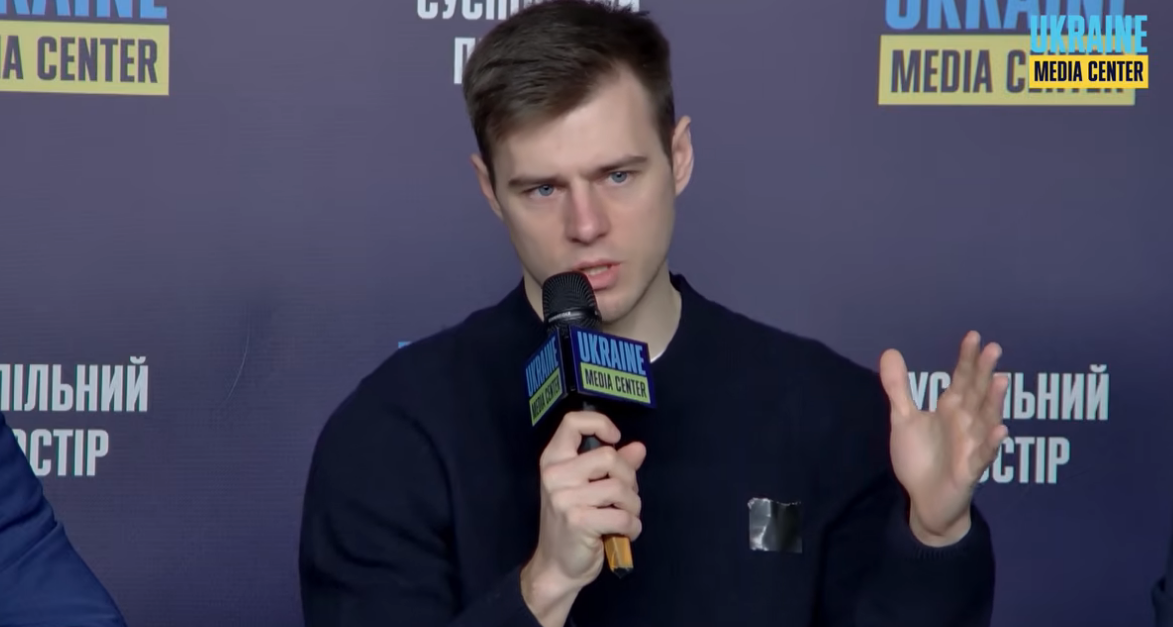
In a surprising development that highlights the complexities of international sports diplomacy, the legal team representing Ukrainian skeleton athlete Vladyslav Heraskevych has publicly stated that no direct communication or offers of assistance have been received from Ukrainian officials, despite earlier media reports suggesting otherwise. The athlete’s lawyer firmly declared that the team has not been contacted and emphasized that they do not require outside help with their legal matters.
The situation emerged following media reports that Andriy Yermak, the influential Head of the Office of the President of Ukraine, had expressed interest in providing legal defense support for Heraskevych. However, the athlete’s representatives have now contradicted these reports, stating that no concrete proposals or direct outreach has occurred. This disconnect between media narratives and the actual situation on the ground raises questions about the accuracy of initial reporting and the nature of communications between government officials and athletes’ representatives.
Background on Vladyslav Heraskevych and His International Profile
Vladyslav Heraskevych gained international prominence beyond his athletic achievements when he became known for his outspoken positions on various issues affecting Ukrainian sports and society. The skeleton athlete has represented Ukraine on the international stage, competing in one of the most demanding and dangerous winter sports disciplines. Skeleton racing involves athletes sliding headfirst down an icy track at speeds exceeding 130 kilometers per hour, requiring exceptional courage and technical precision.
Ukrainian winter sports athletes have faced numerous challenges in recent years, particularly following Russia’s full-scale invasion in February 2022. Many have been forced to relocate training facilities, deal with funding disruptions, and navigate complex international sporting regulations. Athletes like Heraskevych have often found themselves at the intersection of sports and politics, representing their nation during one of the most difficult periods in modern Ukrainian history.
The Role of Government Support in Athlete Representation
The question of government involvement in athletes’ legal affairs is a nuanced one that touches on issues of sovereignty, personal autonomy, and the appropriate boundaries between state institutions and individual citizens. In many countries, government offices may offer consular assistance or legal support to citizens facing challenges abroad, but such assistance typically requires direct communication and consent from the individuals involved.
Andriy Yermak, as Head of the Presidential Office, wields significant influence in Ukrainian politics and has been involved in numerous high-profile diplomatic initiatives. His reported interest in the Heraskevych case, whether accurate or not, would represent an unusual intersection of top-level political attention with individual athlete affairs. The denial from the athlete’s team suggests either a miscommunication in reporting or a gap between stated intentions and actual follow-through.
Legal Team’s Position and Future Outlook
The attorney representing Heraskevych was unequivocal in his statement, noting that no one had directly communicated with the skeleton athlete’s team regarding any offers of assistance. More significantly, the lawyer emphasized that outside help is neither needed nor sought at this time. This assertion of independence suggests that the athlete’s legal representation feels confident in their ability to handle whatever matters they are currently addressing without government intervention.
This development serves as a reminder of the importance of direct verification in news reporting, particularly when dealing with sensitive matters involving public figures and government officials. The disconnect between media reports and the actual situation as described by those directly involved underscores the need for journalists and readers alike to approach such stories with appropriate skepticism until confirmed by primary sources. As the situation continues to develop, observers will be watching to see whether any direct communication eventually occurs between government representatives and the athlete’s team, or whether the matter will remain solely in the hands of Heraskevych’s chosen legal counsel.
Expert Opinion: This incident reflects broader tensions in the relationship between state institutions and individual athletes in Ukraine during wartime. Government officials may genuinely wish to support prominent Ukrainian figures facing legal challenges, but the absence of direct communication suggests a need for more structured protocols. Moving forward, clearer channels between athletic representatives and government support services could prevent such public misunderstandings while ensuring athletes retain autonomy over their legal affairs.