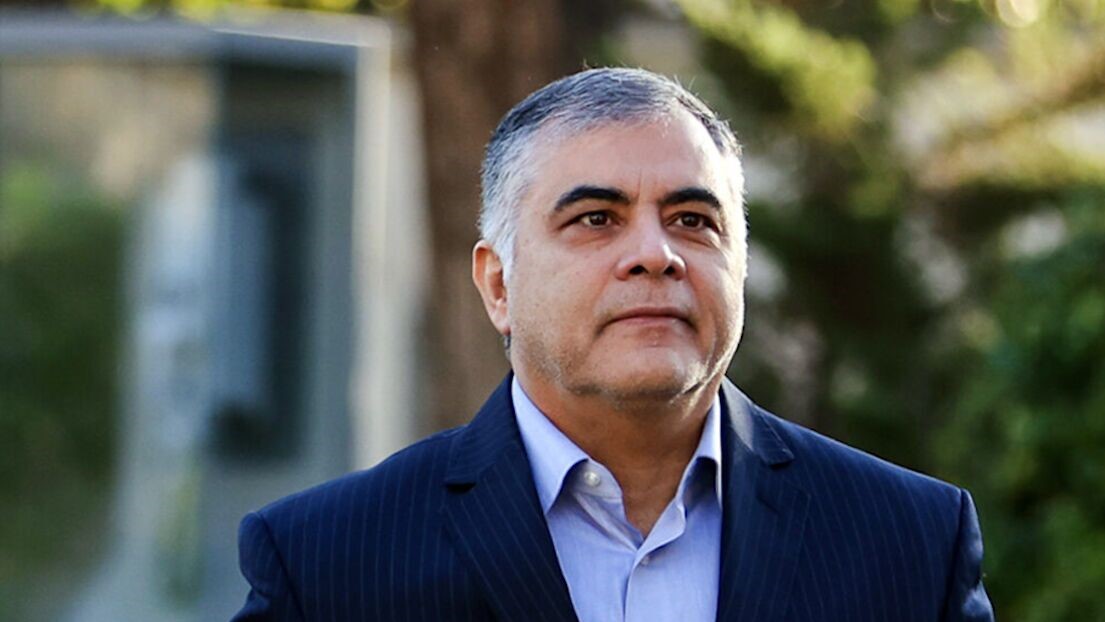
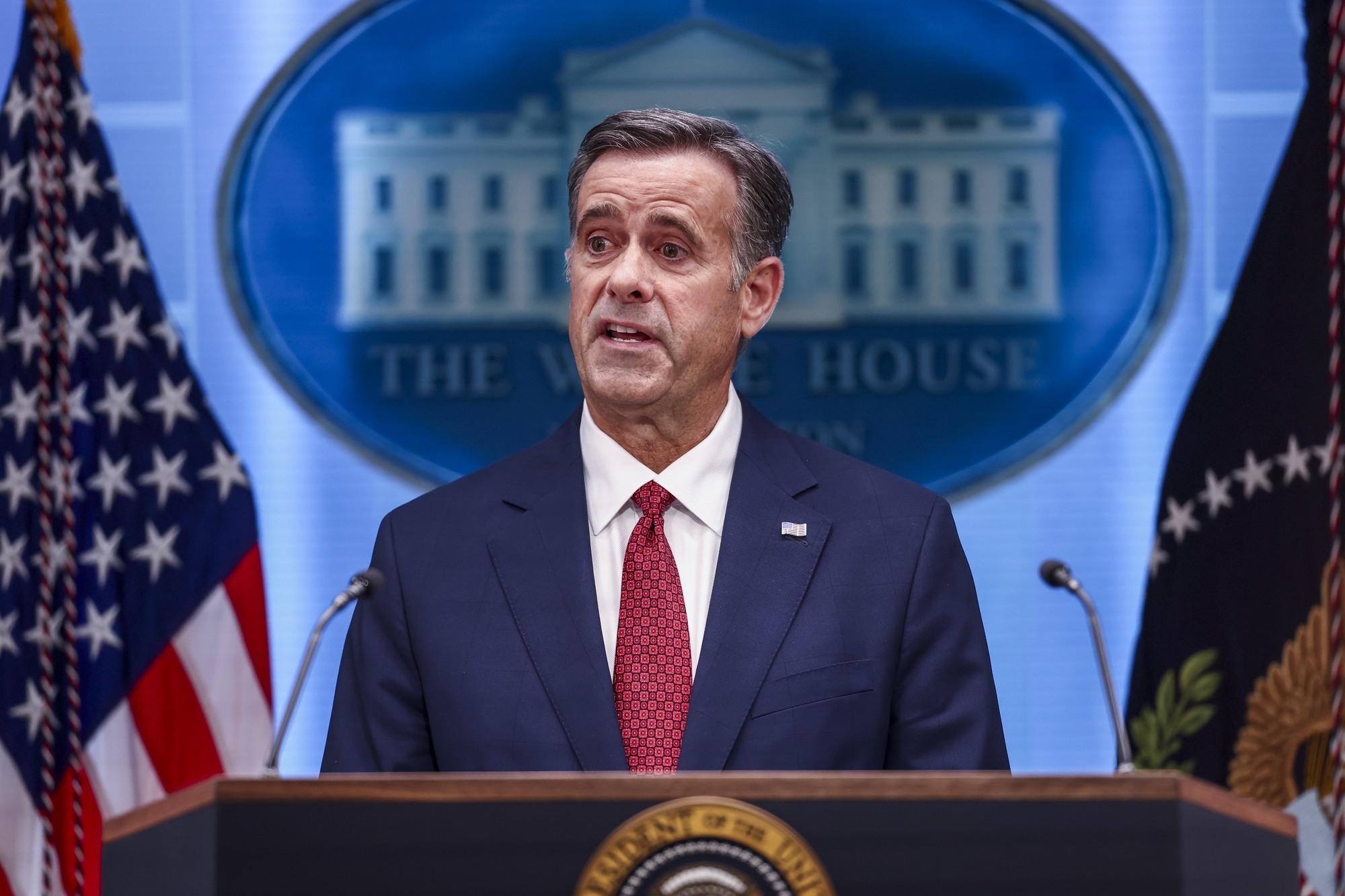
In a remarkable diplomatic development, the Director of the Central Intelligence Agency has traveled to Russia for the first time in five years, marking a significant moment in the strained relationship between Washington and Moscow. According to sources who spoke with LIGA.net, on August 25th, the United States requested that Kyiv refrain from conducting strikes on several directions within Russian territory during the high-level visit. This unprecedented coordination between American and Ukrainian authorities underscores the delicate nature of backchannel communications that continue despite the ongoing conflict.
The visit represents the first time a CIA chief has set foot on Russian soil since 2019, when relations between the two superpowers were already deteriorating but had not yet reached the current level of hostility. The timing of this diplomatic outreach is particularly striking, coming amid the protracted war in Ukraine that has fundamentally reshaped the geopolitical landscape of Europe and strained US-Russia relations to their lowest point since the Cold War era.
Background of US-Russia Intelligence Communications
Despite the near-complete breakdown of official diplomatic channels between Washington and Moscow following Russia’s full-scale invasion of Ukraine in February 2022, certain backchannel communications have remained operational. These channels are typically used for the most sensitive matters, including nuclear security concerns, prisoner exchanges, and preventing direct military confrontation between NATO forces and Russian troops. The CIA has historically played a crucial role in maintaining these delicate lines of communication, even during the most tense periods of superpower rivalry.
Previous high-profile prisoner exchanges, including the release of American citizens detained in Russia, have been facilitated through similar intelligence community contacts. The visit by the CIA director suggests that substantive discussions may be underway on issues of mutual concern, though the specific agenda of the meetings has not been disclosed. Intelligence officials from both countries have occasionally met in neutral locations such as Turkey, but a direct visit to Russian territory signals an elevated level of engagement.
Ukraine’s Cooperation and Strategic Implications
The request for Ukraine to temporarily suspend strikes in certain Russian directions reveals the complex web of coordination that exists between Washington and Kyiv. Since receiving Western long-range weapons systems, Ukraine has conducted increasingly bold operations within Russian territory, including drone attacks on Moscow and other major cities. These strikes serve both military and psychological purposes, demonstrating Ukraine’s ability to project power deep into enemy territory while undermining Russian claims of complete battlefield control.
For Ukraine to comply with such a request demonstrates the depth of trust and coordination between the two allies, even as Kyiv continues to press for more advanced weapons systems and faster delivery timelines. The decision also highlights the delicate balance Ukraine must maintain between pursuing its military objectives and supporting American diplomatic initiatives that could potentially lead to negotiations. Military analysts note that such pauses in operations are not uncommon during sensitive diplomatic moments, though they require careful timing to avoid giving adversaries tactical advantages.
Possible Agenda and Future Implications
While neither Washington nor Moscow has officially confirmed the purpose of the visit, analysts speculate that discussions may have covered a range of critical issues. These could include nuclear security protocols, the prevention of escalation that could draw NATO into direct conflict, and potentially preliminary discussions about the eventual resolution of the Ukraine conflict. Some experts suggest that prisoner exchange negotiations may also be on the table, as both countries continue to hold citizens of the other.
The visit comes at a particularly sensitive time in the conflict, with Ukrainian forces conducting counteroffensive operations while Russia attempts to solidify its control over occupied territories. Any diplomatic breakthrough would require navigating extremely difficult terrain, given the fundamentally opposed positions of both sides regarding Ukraine’s territorial integrity and future security arrangements. Nevertheless, the mere fact that such high-level contacts are occurring provides a glimmer of hope that diplomatic channels remain open even amid active hostilities.
Expert Opinion: This rare CIA visit to Moscow suggests that despite public rhetoric, both Washington and Moscow recognize the need for direct communication channels to manage escalation risks. The coordination with Ukraine indicates sophisticated diplomatic orchestration, and while breakthrough negotiations remain unlikely in the near term, such contacts could lay groundwork for eventual conflict resolution discussions or at minimum, prevent dangerous miscalculations between nuclear powers.