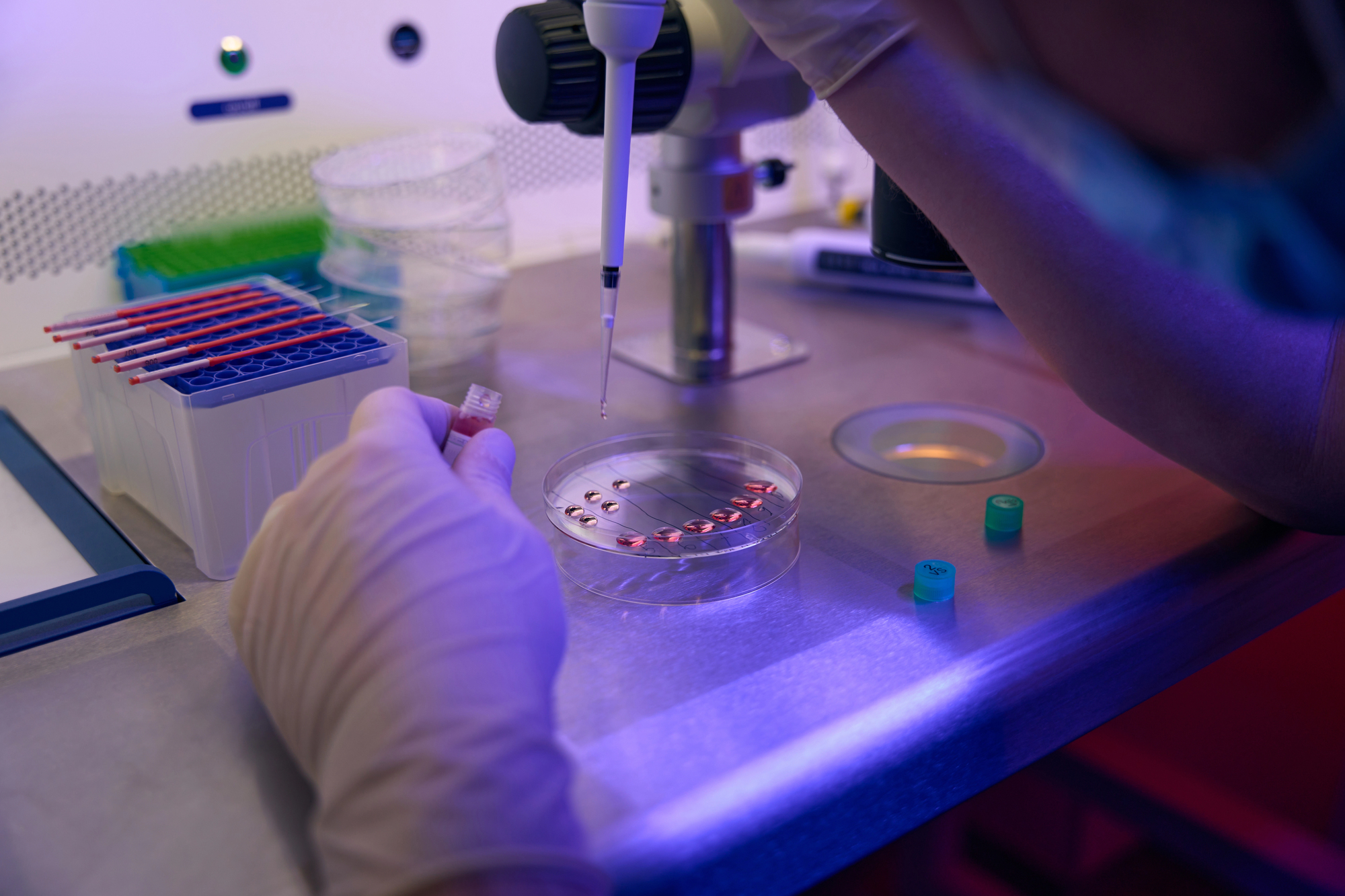
Ukraine’s Defense Intelligence Agency (known by its Ukrainian acronym GUR) has revealed alarming information about a network of secret biological laboratories allegedly constructed by Russia in the Tver Oblast region. According to Ukrainian intelligence sources, these facilities are conducting experiments with dangerous pathogens specifically for military purposes, raising serious concerns about potential biological weapons development that could violate international treaties and pose significant threats to global biosecurity.
The intelligence report indicates that the Russian military has established a complex of highly classified laboratories designed to work with various viruses and other dangerous biological agents. Ukrainian officials have emphasized that the existence of such facilities represents a direct threat not only to regional security but potentially to international public health. The laboratories are reportedly operating under strict secrecy protocols, with their activities hidden from international oversight mechanisms that typically monitor biological research facilities worldwide.
Historical Context of Soviet and Russian Biological Programs
The revelation about these Tver Oblast facilities comes against a backdrop of Russia’s long and controversial history with biological weapons research. During the Soviet era, the USSR maintained an extensive biological weapons program known as Biopreparat, which at its peak employed thousands of scientists working on weaponizing various pathogens including anthrax, smallpox, and plague. Although Russia officially inherited the Soviet commitment to the Biological Weapons Convention of 1972, which prohibits the development, production, and stockpiling of biological weapons, Western intelligence agencies have long suspected that certain military biological research has continued in various forms.
The Tver Oblast region, located northwest of Moscow, has historically housed various military and research installations due to its strategic proximity to the capital while remaining relatively isolated from major population centers. This geographical characteristic makes it an ideal location for sensitive military research that requires both security and containment protocols. Intelligence analysts note that the choice of this location follows historical patterns of Soviet and Russian military planning, which traditionally placed potentially hazardous research facilities in areas that balance accessibility with security considerations.
International Implications and Treaty Violations
The allegations raised by Ukrainian intelligence carry significant international implications. If confirmed, the existence of military-oriented biological laboratories working with dangerous pathogens could constitute a violation of the Biological Weapons Convention, to which Russia is a signatory. This convention, which entered into force in 1975, was designed to prevent the development of biological weapons following concerns about their potential for mass casualties and their indiscriminate nature. However, the convention has notably weak verification mechanisms, making it difficult to confirm compliance or detect violations without cooperation from the countries involved.
International security experts have long warned about the dual-use nature of biological research, where legitimate scientific work studying pathogens for defensive or public health purposes can potentially be redirected toward weapons development. This ambiguity makes it particularly challenging to assess the true nature of facilities like those allegedly operating in Tver Oblast. The lack of transparency from Russian authorities regarding their military biological programs has been a persistent concern among Western intelligence agencies and arms control advocates, who argue that greater international oversight is necessary to prevent the potential misuse of biological research.
Ongoing Intelligence and Security Concerns
Ukrainian intelligence officials have stated that monitoring these Russian biological facilities remains a priority given the potential implications for both the ongoing conflict and broader regional security. The GUR report suggests that the research being conducted at these laboratories could be aimed at developing biological agents for potential military use, though specific details about the nature of the pathogens being studied have not been publicly disclosed. Western intelligence agencies are reportedly analyzing the Ukrainian findings and assessing their credibility through independent sources.
The timing of this revelation is particularly significant given the current geopolitical tensions and the ongoing war in Ukraine. Accusations regarding biological weapons have been a contentious element of the information warfare surrounding the conflict, with Russia previously making unfounded claims about alleged Ukrainian biological weapons programs. International health and security organizations continue to emphasize the importance of transparency in biological research and the critical need to prevent any state from developing biological weapons that could cause catastrophic humanitarian consequences if ever deployed.
Expert Opinion: The alleged existence of secret military biolaboratories in Russia represents a concerning development that underscores the urgent need for strengthening international biological weapons verification mechanisms. As geopolitical tensions continue to escalate, the risk of biological research being redirected toward weapons development increases, making multilateral transparency initiatives more critical than ever. The international community should prioritize diplomatic efforts to establish more robust inspection protocols under the Biological Weapons Convention to address these emerging threats.