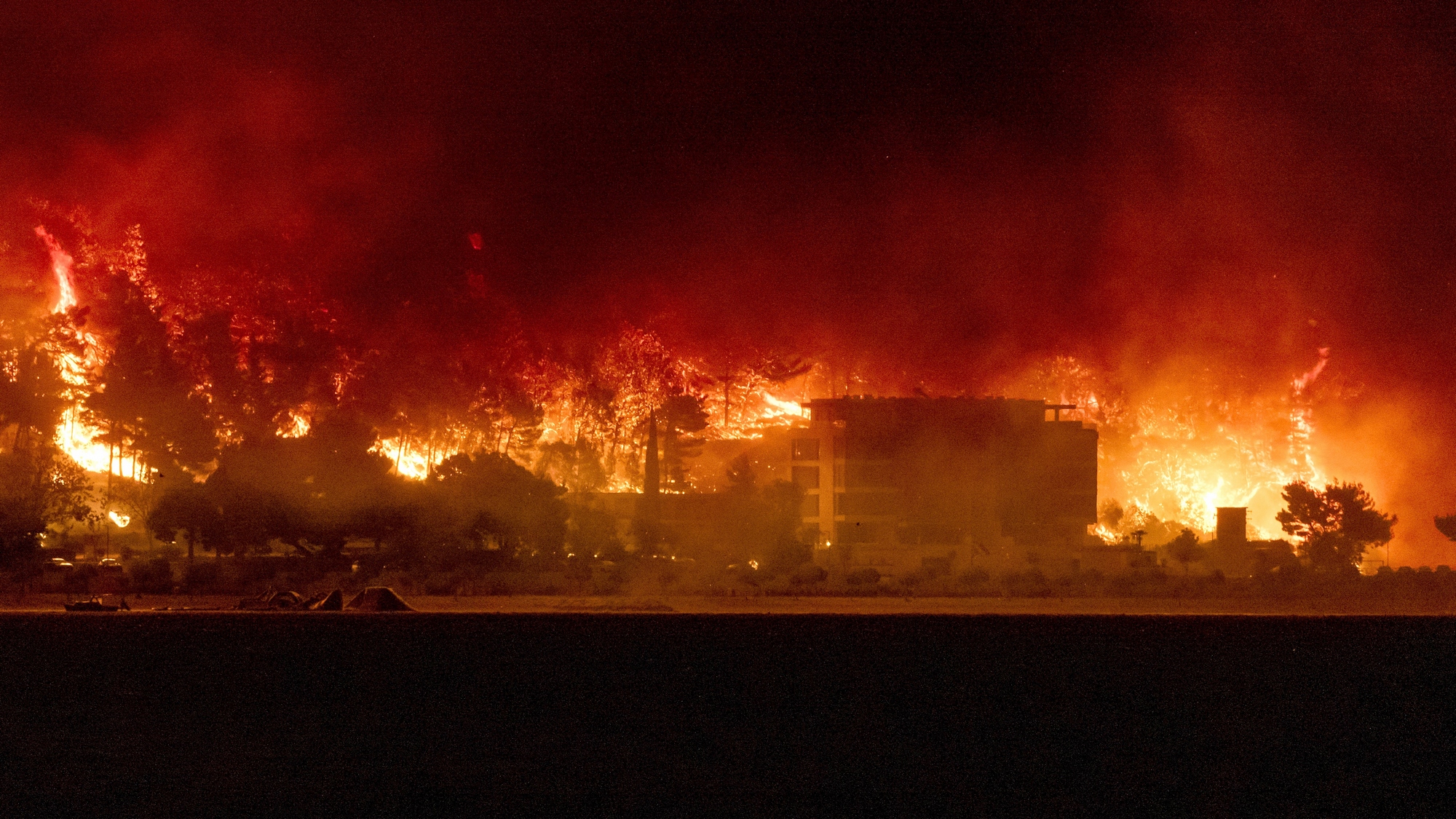
A devastating wildfire has engulfed the historic coastal town of Omis on Croatia’s Adriatic Sea coastline, claiming at least one life and injuring dozens of residents and tourists. The fast-moving blaze, fueled by strong winds and dry conditions, forced emergency services to conduct large-scale evacuations from the popular resort destination, marking one of the most serious fire emergencies in the region this year. Local authorities have mobilized firefighting teams from across the country as they battle to contain the flames threatening residential areas and tourist infrastructure.
The fire broke out under conditions that have become increasingly common across the Mediterranean region during summer months. Omis, a picturesque town located approximately 25 kilometers south of Split, is known for its dramatic canyon landscape where the Cetina River meets the Adriatic Sea. The combination of rugged terrain, dense vegetation, and seasonal drought conditions created a perfect environment for the rapid spread of flames. Emergency responders reported that dozens of people required medical attention for smoke inhalation and minor burns as they fled the advancing fire.
Emergency Response and Evacuation Efforts
Croatian emergency services launched a comprehensive evacuation operation as the fire threatened to overwhelm the town’s narrow medieval streets and densely packed residential areas. Firefighting aircraft, including water-bombing planes and helicopters, were deployed to attack the blaze from above, while ground crews worked to establish firebreaks and protect structures. The Croatian Mountain Rescue Service and Civil Protection units coordinated the evacuation of hundreds of residents and tourists, many of whom were relocated to emergency shelters in nearby Split. Local authorities established crisis management centers to coordinate the response and provide support to displaced individuals.
The death toll currently stands at one, though officials have warned that the number could rise as search and rescue operations continue in affected areas. Hospitals in Split reported treating numerous patients for respiratory issues and burns, with several individuals requiring ongoing care. The fire’s intensity forced the closure of major roads in the region, complicating both evacuation efforts and the arrival of additional firefighting resources. International assistance has been offered through the European Union’s Civil Protection Mechanism, which coordinates disaster response across member states.
Climate Crisis and Mediterranean Fire Season
This latest disaster fits into a broader pattern of increasingly severe wildfires across Southern Europe, driven by climate change and prolonged drought conditions. The Mediterranean region has experienced record-breaking temperatures in recent years, with scientists warning that fire seasons are becoming longer and more intense. Croatia, like its neighbors Greece, Italy, and Spain, has seen a significant uptick in wildfire activity over the past decade. Environmental experts point to a combination of factors including rising temperatures, reduced rainfall, and changes in land management practices as contributing to the heightened fire risk.
The Croatian government has invested heavily in firefighting capabilities in recent years, recognizing the growing threat posed by wildfires to both human safety and the country’s vital tourism industry. The Dalmatian coast, where Omis is located, attracts millions of visitors annually and represents a cornerstone of the national economy. Previous major fires in the region have caused significant economic damage and raised questions about long-term sustainability in the face of climate change. Local communities have increasingly called for improved early warning systems, better forest management, and more resources dedicated to fire prevention.
Impact on Tourism and Local Community
The timing of the fire, occurring during the peak summer tourism season, has dealt a significant blow to Omis and the surrounding region. Hotels, restaurants, and tour operators have been forced to suspend operations, with many visitors cutting short their vacations. The town’s famous adventure tourism attractions, including rafting on the Cetina River and hiking in the surrounding mountains, have been indefinitely suspended. Local business owners expressed concern about the long-term economic impact, noting that recovery from such disasters often takes years. The Croatian Tourism Board has issued statements reassuring visitors about safety while acknowledging the seriousness of the current situation.
As firefighting efforts continue around the clock, authorities are urging residents to remain vigilant and follow official guidance. Weather forecasts suggest that conditions may improve in coming days, potentially aiding containment efforts. However, officials have cautioned that the risk of new fires remains high throughout the region as long as drought conditions persist. The tragedy in Omis serves as a stark reminder of the increasing challenges facing Mediterranean communities as they adapt to a changing climate and its devastating consequences.
Expert Opinion: Climate scientists predict that Mediterranean wildfire events will increase in both frequency and intensity by 30-50% by 2050 if current warming trends continue. The Omis tragedy underscores the urgent need for coordinated European investment in fire prevention infrastructure, early detection technology, and community resilience programs. Coastal tourism destinations must now factor year-round fire risk into their long-term planning and emergency preparedness strategies.