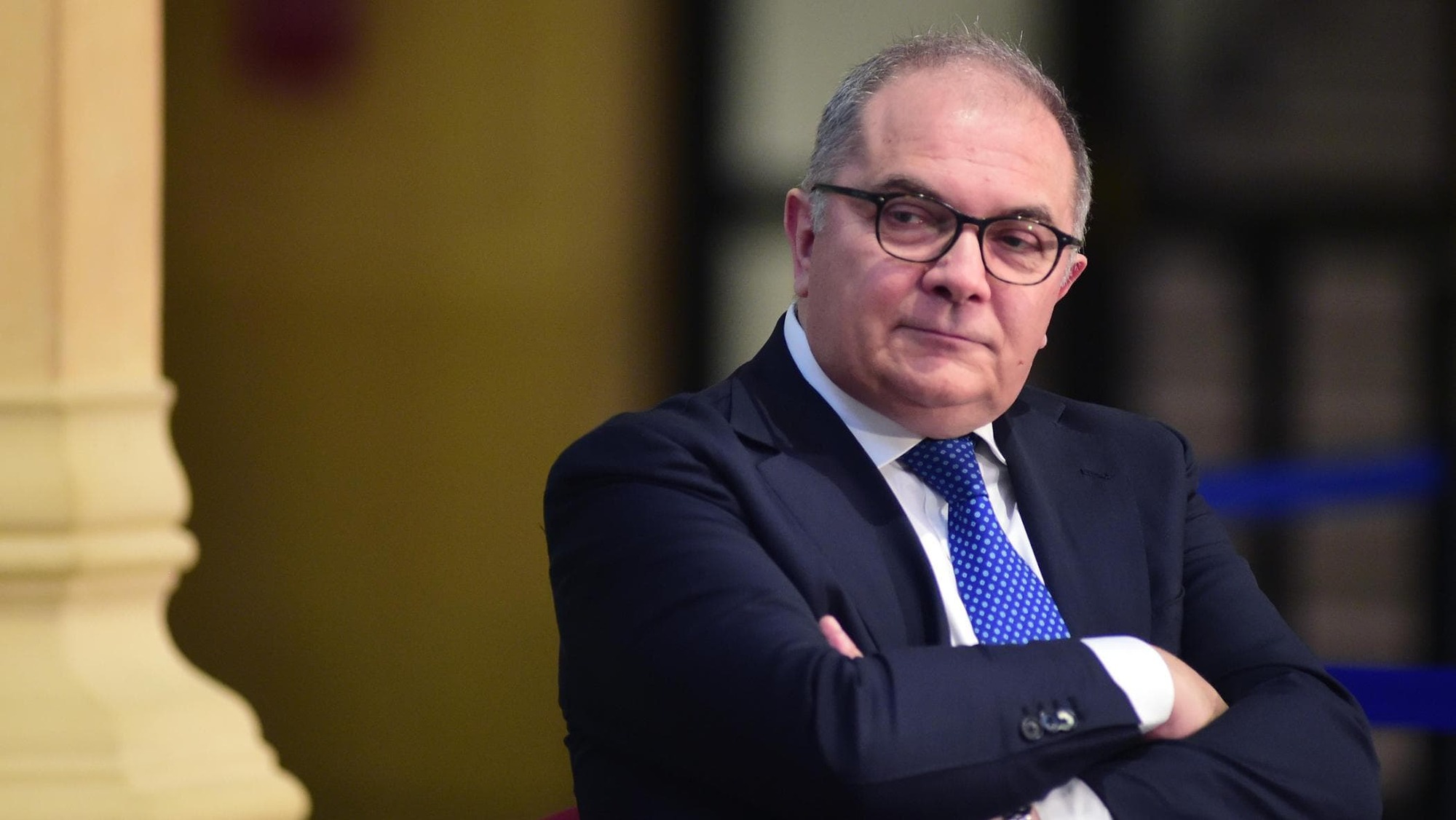

Former Ukrainian Foreign Minister Pavlo Klimkin has issued a stark warning about the geopolitical significance of France’s upcoming presidential elections, stating that the outcome will fundamentally shape the future trajectory of the European continent. According to Klimkin, France is expected to enter an active pre-election campaign phase in autumn 2026, and the results of this electoral contest could have far-reaching consequences that extend well beyond French borders. The veteran diplomat’s assessment underscores growing concerns among European leaders about the stability of the transatlantic alliance and the cohesion of the European Union during a period of unprecedented geopolitical turbulence.
The Strategic Importance of French Leadership in Europe
France has historically served as one of the two pillars of European integration, alongside Germany, forming the Franco-German axis that has driven EU policy for decades. As a permanent member of the United Nations Security Council and the only nuclear power within the European Union following Brexit, France occupies a unique position in European security architecture. The country’s stance on NATO, defense spending, and relations with Russia significantly influences the broader European approach to these critical issues. Current President Emmanuel Macron has positioned France as a leading voice calling for European strategic autonomy and has been one of the most vocal supporters of Ukraine since Russia’s full-scale invasion in February 2022.
Klimkin’s concerns reflect a broader anxiety within European diplomatic circles about potential shifts in French foreign policy. The rise of far-right and far-left political movements in France, both of which have expressed skepticism about NATO and advocated for warmer relations with Moscow, poses what many analysts consider an existential threat to the current European security order. Marine Le Pen’s National Rally party, which has historically received financial backing from Russian sources, has consistently called for a recalibration of France’s relationship with Russia and has questioned the extent of Western support for Ukraine.
Implications for Ukraine and European Security
For Ukraine, the French elections carry particularly high stakes. France has been a crucial supporter of Kyiv, providing military equipment, financial assistance, and diplomatic backing. President Macron has even floated the controversial idea of deploying European troops to Ukraine, demonstrating Paris’s willingness to consider unconventional options to ensure Ukrainian security. A change in French leadership could potentially alter this calculus dramatically. Historical precedent suggests that shifts in major power politics can rapidly reshape alliance structures and security guarantees, making Ukraine’s position increasingly precarious in the event of a less supportive French administration.
The timing of the French elections in spring 2027 coincides with a critical juncture in European affairs. The continent faces multiple overlapping challenges, including managing relations with an increasingly assertive Russia, navigating potential changes in American foreign policy, addressing the migration crisis, and dealing with economic pressures from the green transition. France’s position on each of these issues will significantly influence the EU’s collective response. Klimkin’s warning serves as a reminder that domestic politics in major European nations have profound implications for the entire continent’s security architecture.
The Broader Context of European Political Instability
France is not the only major European nation experiencing political uncertainty. Germany recently held snap elections amid its own political crisis, while Italy, Hungary, and Slovakia have all seen shifts toward more Russia-sympathetic governments. This pattern of political fragmentation across Europe has raised alarm bells among those who view continental unity as essential for countering Russian aggression and maintaining the rules-based international order. The potential for a domino effect, where electoral victories by euroskeptic or Russia-friendly parties in one country embolden similar movements elsewhere, remains a significant concern for European institutions.
As autumn 2026 approaches, European capitals will be watching French political developments with intense interest. The campaign season promises to be contentious, with candidates likely to stake out dramatically different positions on Ukraine, NATO, and European integration. Klimkin’s assessment that these elections will determine Europe’s fate may prove prescient, as the outcome will signal whether the continent continues on its path of deeper integration and collective security or begins to fragment along national lines, potentially creating opportunities for external powers to exploit divisions within the Western alliance.
Expert Opinion: The intersection of French domestic politics with European security represents one of the most consequential developments of the coming years. Should euroskeptic forces gain power in Paris, we could witness a fundamental restructuring of European defense arrangements and a significant weakening of Western support for Ukraine. The period between now and the 2027 French elections will likely see intensified efforts by both pro-European and nationalist forces to shape the electoral narrative, making this contest a proxy battle for the future direction of the entire continent.