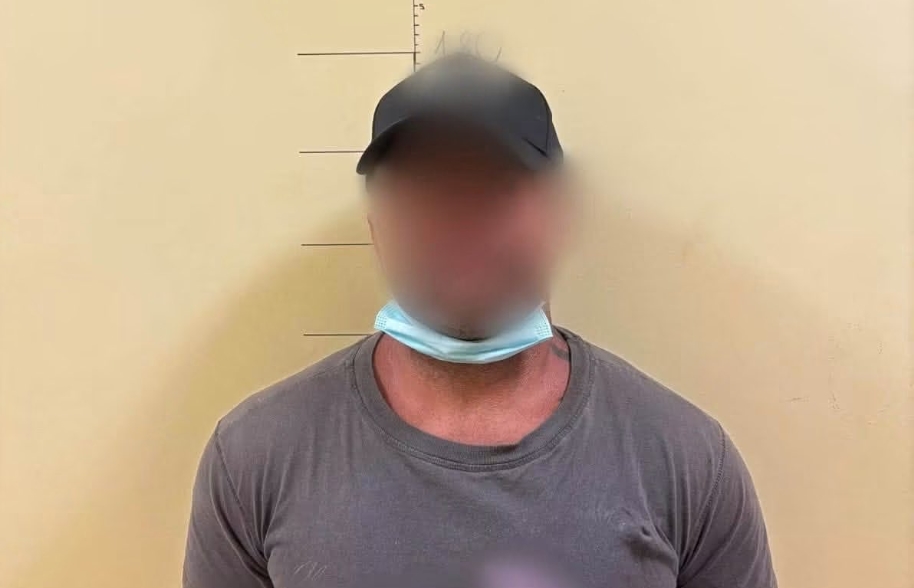
A violent assault targeting Ukrainian nationals in the Polish city of Wrocław has sparked diplomatic concern and renewed discussions about the safety of refugees in the country. Polish authorities have detained two suspects in connection with the attack, while Ukrainian Foreign Minister Andrii Sybiha has called on certain Polish politicians to stop inciting hostility against Ukrainians living in Poland. The incident comes at a sensitive time in Polish-Ukrainian relations, as both countries navigate complex historical and political issues while maintaining their strategic partnership.
Details of the Assault and Police Response
The attack occurred in Wrocław, one of Poland’s largest cities and a major destination for Ukrainian refugees since the outbreak of the full-scale Russian invasion in February 2022. According to initial reports, the victims were targeted specifically because of their Ukrainian nationality. Polish law enforcement responded swiftly to the incident, and within a short period, two individuals were apprehended in connection with the crime. The suspects now face serious charges related to the assault, with investigators examining whether the attack was premeditated and motivated by ethnic hatred, which could result in enhanced penalties under Polish hate crime legislation.
Wrocław has been home to a significant Ukrainian community for many years, with numbers swelling dramatically following Russia’s full-scale invasion. The city, located in southwestern Poland, has historically maintained close cultural and economic ties with Ukraine. Local authorities have generally been supportive of Ukrainian refugees, providing housing assistance, language courses, and employment opportunities. However, isolated incidents of violence and discrimination have occasionally marred the otherwise welcoming atmosphere, raising concerns among refugee advocacy groups.
Diplomatic Response and Political Tensions
Ukrainian Foreign Minister Andrii Sybiha’s response to the incident was swift and pointed. In his official statement, Sybiha specifically addressed what he characterized as inflammatory rhetoric from certain Polish politicians, urging them to cease activities that could fuel anti-Ukrainian sentiment. The minister’s comments reflect growing Ukrainian concerns about political discourse in Poland that some view as potentially dangerous for the approximately one million Ukrainian refugees currently residing in the country. While Sybiha did not name specific politicians, his remarks come amid ongoing debates in Poland about refugee policies and historical grievances between the two nations.
The diplomatic tension exists against a backdrop of complex Polish-Ukrainian relations. Despite strong cooperation on security matters and Poland’s crucial role as a logistics hub for Western military aid to Ukraine, certain historical issues continue to create friction. Disputes over events during World War II, particularly the Volhynia massacres of 1943-1944, have periodically resurfaced in political discourse. Some Polish politicians have used these historical grievances as part of their electoral messaging, which critics argue contributes to an atmosphere of hostility toward Ukrainian residents. The Ukrainian government has consistently emphasized the importance of maintaining strong ties with Poland while acknowledging the need to address historical issues through dialogue and mutual understanding.
Broader Context of Refugee Safety in Europe
The Wrocław incident is not an isolated case but part of a broader pattern of challenges facing Ukrainian refugees across Europe. Since February 2022, millions of Ukrainians have fled their homeland, with Poland accepting more refugees than any other country in absolute numbers. While the overwhelming majority of Poles have shown remarkable solidarity with their Ukrainian neighbors, instances of violence, discrimination in housing and employment, and verbal harassment have been documented throughout the continent. International organizations, including the United Nations High Commissioner for Refugees, have called on European governments to strengthen protections for displaced persons and combat xenophobic rhetoric.
Polish civil society organizations and government institutions have implemented various programs aimed at fostering integration and preventing discrimination. These initiatives include cultural exchange programs, joint Polish-Ukrainian community events, and educational campaigns promoting tolerance. However, experts note that economic pressures, housing shortages, and political polarization can sometimes create conditions conducive to scapegoating vulnerable populations. The challenge for Polish authorities lies in maintaining the welcoming environment that has characterized much of the refugee response while firmly addressing criminal acts and hate speech that threaten community cohesion.
Expert Opinion: This incident underscores the delicate balance European nations must maintain between domestic political debates and the protection of vulnerable refugee populations. As the war in Ukraine continues with no clear end in sight, host countries will need to invest more significantly in integration programs and anti-discrimination measures. The response of Polish authorities in swiftly apprehending suspects sends an important signal, but long-term success will depend on political leaders across the spectrum choosing unity over divisive rhetoric that could endanger lives.