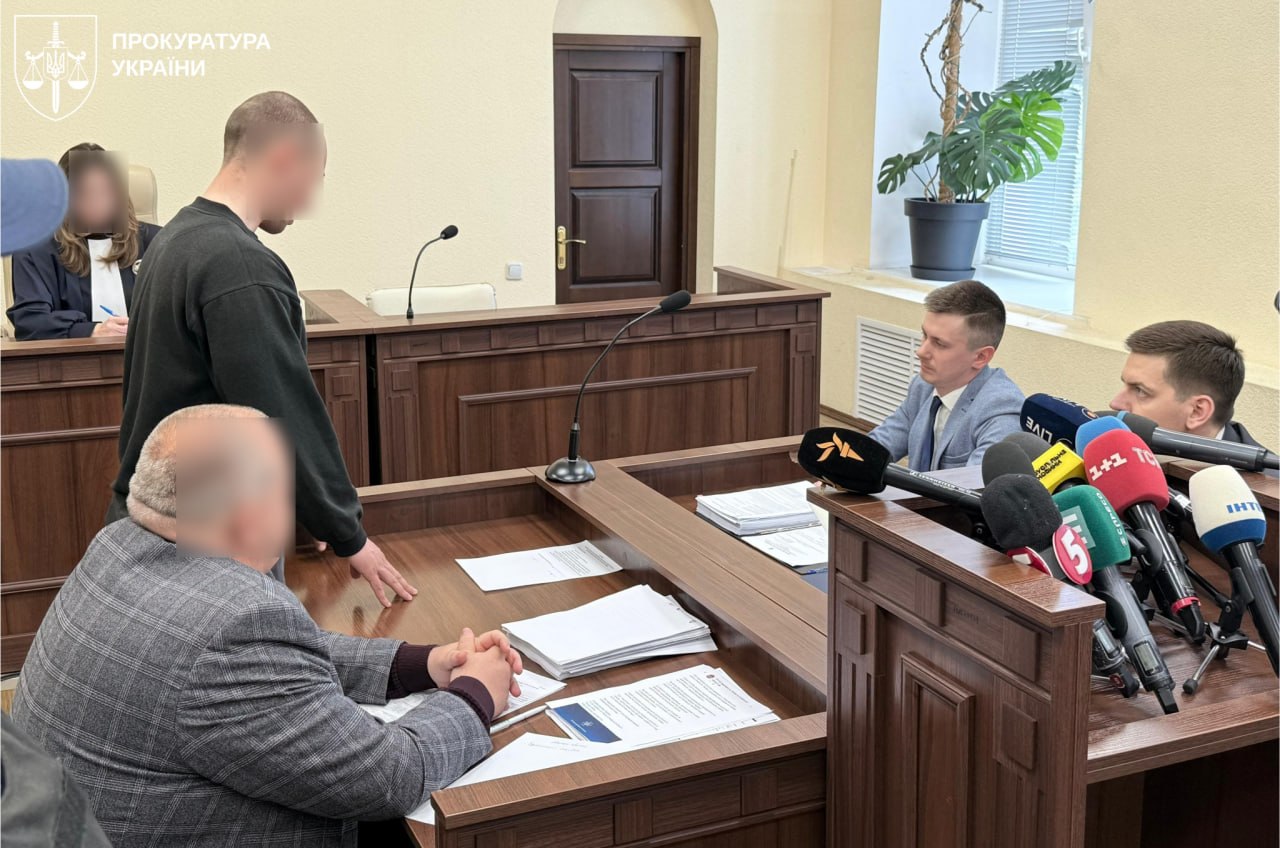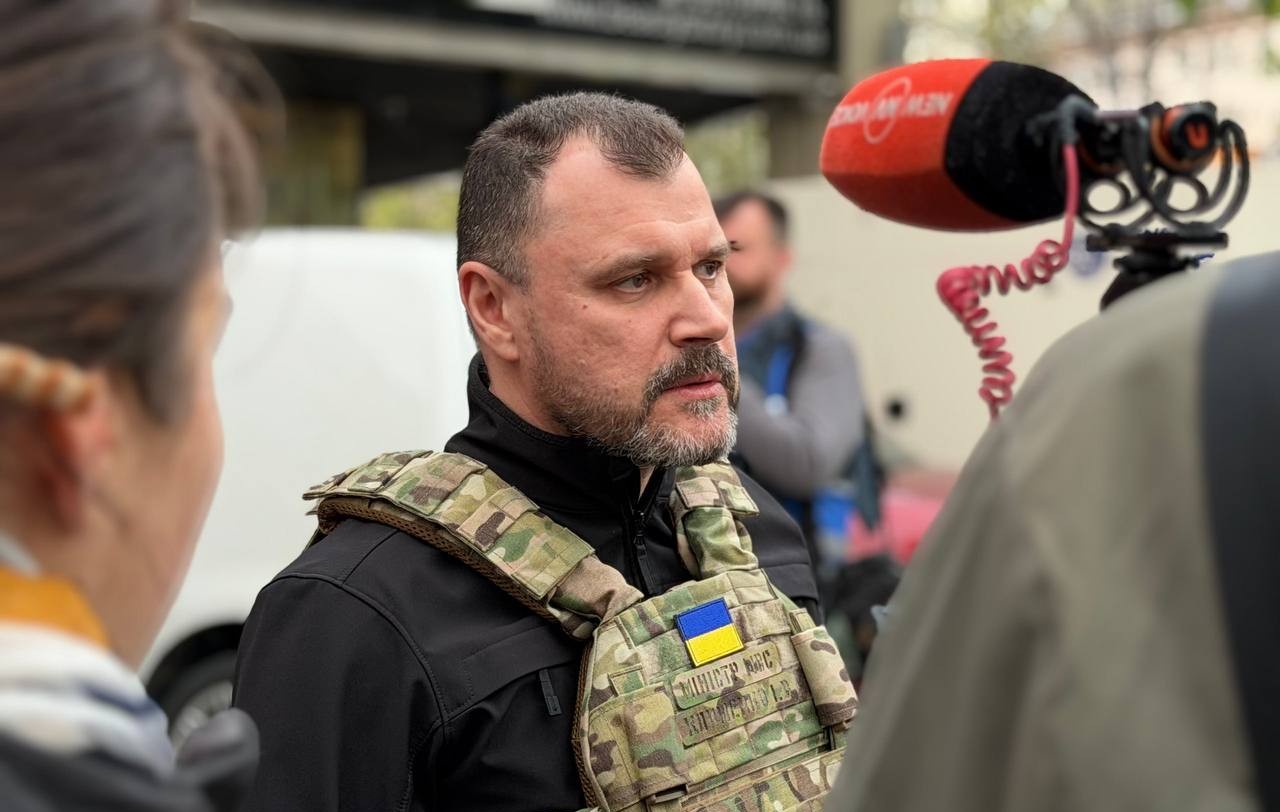
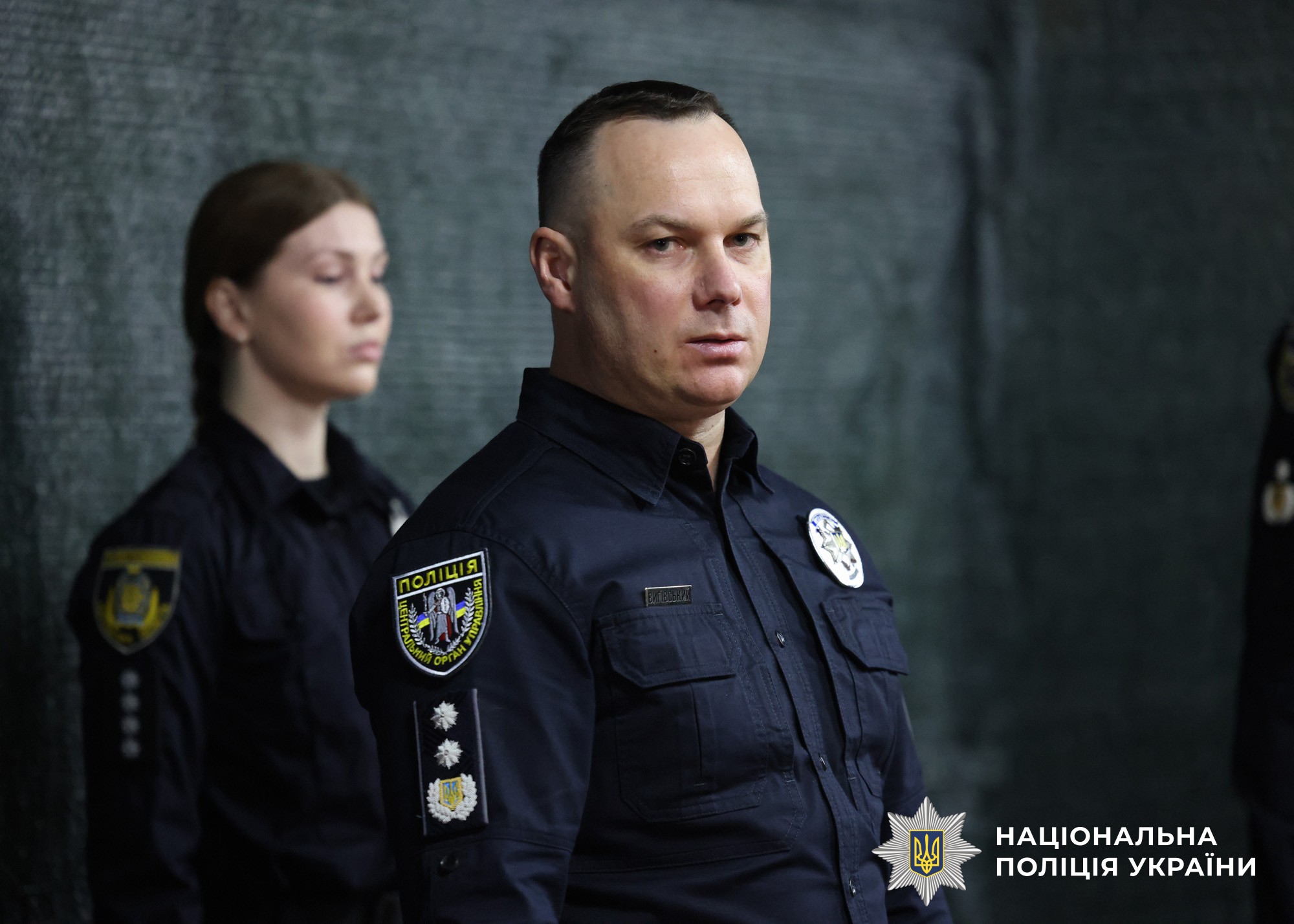
The head of Ukraine’s National Police, Ivan Vyhovskyi, has addressed the recent tragic shooting incident in Kyiv’s Holosiivskyi district, revealing new details about the perpetrator’s background and potential motives. While not entirely dismissing the possibility that the shooter may have been recruited by external forces, Vyhovskyi indicated that current evidence does not support this theory. The police chief’s statements come as investigators work to piece together the circumstances that led to the deadly attack that has shocked the Ukrainian capital.
During his briefing, Vyhovskyi disclosed that the shooter had a documented history of conflicts with neighbors in his residential area. These ongoing disputes, according to preliminary investigation findings, may have contributed to the individual’s psychological state leading up to the incident. The police chief suggested that the perpetrator may have simply “snapped” under accumulated pressure, though investigators continue to explore all possible scenarios including potential foreign involvement or recruitment by hostile actors.
Background on Neighborhood Disputes and Mental State
The revelation about the shooter’s troubled relationships with neighbors adds an important dimension to understanding the tragedy. In many similar cases worldwide, prolonged interpersonal conflicts and social isolation have been identified as contributing factors to violent outbursts. Ukrainian psychologists and security experts have long warned about the psychological toll that years of war, economic uncertainty, and social stress have taken on the population. The combination of readily available weapons in a wartime society and unaddressed mental health issues creates a particularly dangerous environment.
Neighborhood disputes in urban areas like Kyiv have become increasingly common in recent years, often escalating due to noise complaints, parking issues, or disagreements over shared spaces. While most such conflicts are resolved peacefully or through legal channels, cases where individuals resort to extreme violence highlight the importance of accessible mental health services and conflict mediation resources. Social workers and community organizations have repeatedly called for greater investment in these areas, particularly given the additional stresses placed on Ukrainian society during the ongoing conflict.
Security Concerns and the Question of Recruitment
Vyhovskyi’s acknowledgment that recruitment by external forces cannot be entirely ruled out reflects the heightened security environment in which Ukraine currently operates. Since the beginning of Russia’s full-scale invasion in February 2022, Ukrainian security services have uncovered numerous cases of Russian intelligence agencies attempting to recruit Ukrainian citizens for various purposes, including sabotage, intelligence gathering, and acts designed to destabilize society. The Security Service of Ukraine regularly reports on such cases, making any violent incident subject to scrutiny for potential foreign involvement.
However, the police chief’s assessment that the situation “doesn’t look like” a case of recruitment suggests that investigators have found no concrete evidence linking the shooter to foreign handlers or organized networks. This preliminary conclusion points toward a more straightforward, if no less tragic, explanation rooted in personal grievances and mental health struggles. Nevertheless, Ukrainian law enforcement maintains vigilance and continues to investigate all angles thoroughly, understanding the complex security landscape in which such incidents occur.
Implications for Public Safety and Prevention
The Holosiivskyi shooting raises broader questions about public safety measures and violence prevention in Ukraine. Experts have noted that the combination of wartime trauma, widespread weapon availability, and strained social services creates conditions that require comprehensive policy responses. Some security analysts have called for enhanced background checks and psychological evaluations for weapon owners, while others emphasize the need for community-based intervention programs that can identify and address potential threats before they materialize into violence.
As the investigation continues, authorities are expected to provide additional details about the shooter’s background, the specific circumstances of the attack, and any lessons that can be applied to prevent similar tragedies in the future. For residents of Holosiivskyi and Kyiv at large, the incident serves as a sobering reminder of the complex challenges facing Ukrainian society as it navigates both external threats and internal social pressures during an extraordinarily difficult period in the nation’s history.
Expert Opinion: This incident underscores the critical need for Ukraine to strengthen its mental health infrastructure and community intervention programs, even amid the pressures of ongoing conflict. Security experts suggest that while vigilance against foreign recruitment remains essential, the greater statistical threat comes from individuals experiencing psychological crises without adequate support systems. Investing in neighborhood mediation services and accessible mental health care could prove more effective in preventing such tragedies than purely security-focused approaches.