A joint investigation by Ukrainian journalists from Slidstvo.Info and the Anti-Corruption Center has uncovered a troubling pattern of real estate acquisitions by the brother of the State Bureau of Investigation (SBI) director. According to the published findings, the individual purchased an astonishing 143 properties at prices that investigators describe as equivalent to the cost of a smartphone, raising serious questions about the legitimacy of these transactions and potential conflicts of interest at the highest levels of Ukraine’s law enforcement apparatus.
The investigation has sent shockwaves through Ukrainian civil society, particularly given the country’s ongoing efforts to combat corruption as part of its European Union accession process. The SBI, established in 2017, serves as Ukraine’s primary body for investigating crimes committed by high-ranking officials, making any allegations involving family members of its leadership particularly damaging to public trust in the institution.
Details of the Property Acquisitions
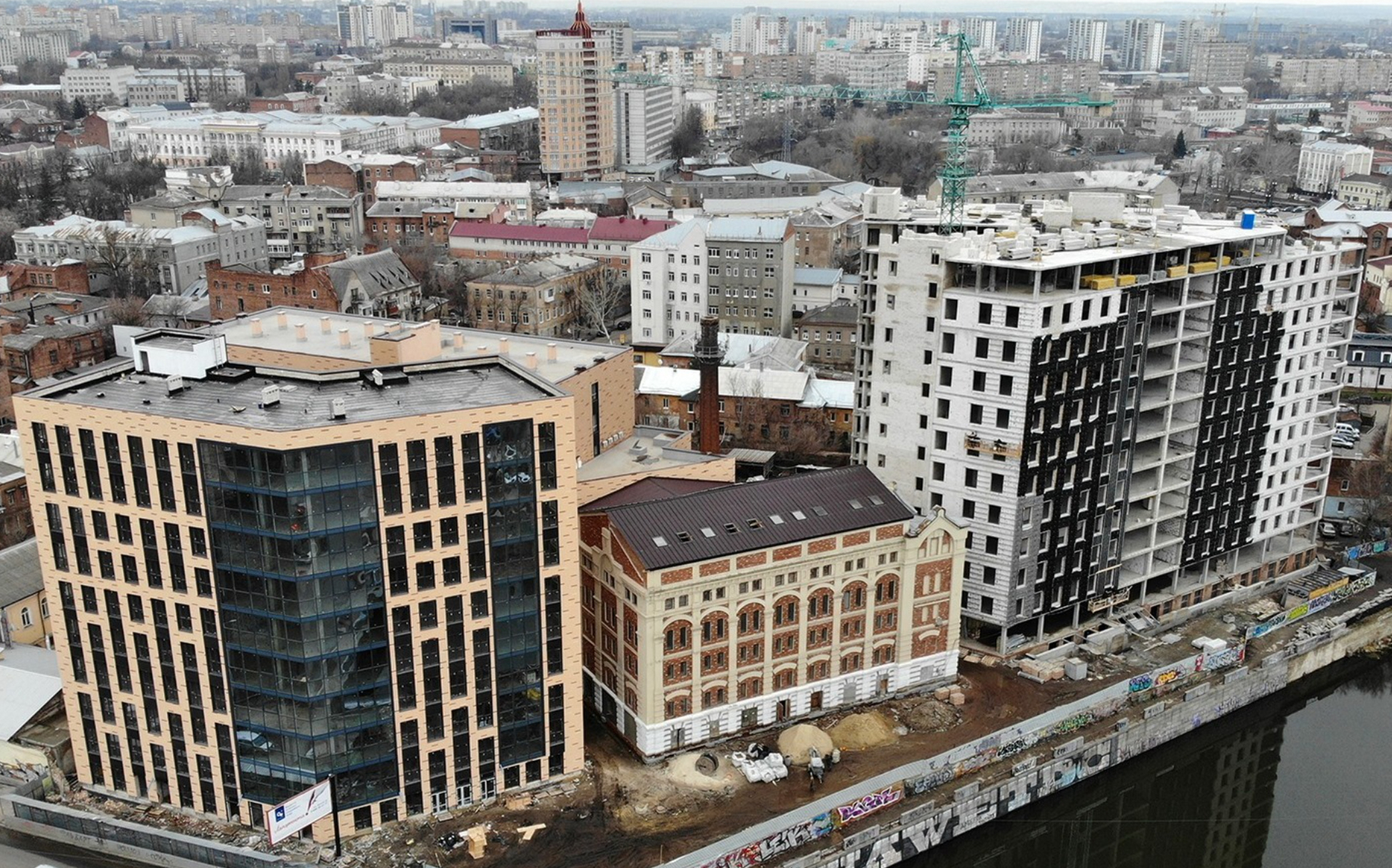
The investigative journalists meticulously documented the acquisition of 143 separate real estate objects, revealing a pattern of purchases made at dramatically below-market prices. According to the report, some apartments were acquired for amounts comparable to the price of a modern smartphone – a fraction of what similar properties would typically cost in the Ukrainian real estate market. Such discrepancies between purchase prices and actual market values often indicate potential money laundering, corruption, or other financial improprieties that warrant further investigation.
Real estate has long been recognized as a preferred vehicle for concealing illicit wealth in Ukraine and across Eastern Europe. Properties can be purchased through complex corporate structures, undervalued in official documentation while the difference is paid in cash, or acquired through connections that provide access to state-owned assets at artificially reduced prices. The sheer volume of properties involved in this case – 143 objects – suggests a systematic approach rather than isolated opportunistic purchases.
Institutional Implications and Public Trust
The timing of these revelations is particularly sensitive for Ukraine. As the country continues its defense against Russian aggression while simultaneously pursuing reforms required for EU membership, maintaining the integrity of anti-corruption institutions remains paramount. International partners, including the European Union and the United States, have repeatedly emphasized that Ukraine’s path to European integration depends heavily on demonstrable progress in fighting corruption at all levels of government.
The State Bureau of Investigation occupies a critical position in Ukraine’s anti-corruption architecture. Established during the post-Maidan reform period, the SBI was designed to investigate crimes committed by law enforcement officials, judges, and other high-ranking state servants. When allegations of impropriety touch the families of those leading such institutions, it undermines the fundamental premise that these bodies can operate independently and impartially. Civil society organizations have called for transparent investigation of the matter and appropriate accountability measures.
Historical Context and Reform Challenges
Ukraine’s struggle against corruption has been a defining feature of its post-independence history. The 2014 Revolution of Dignity was largely motivated by public frustration with endemic corruption under the Yanukovych administration. In the decade since, Ukraine has established multiple new anti-corruption bodies, including the National Anti-Corruption Bureau (NABU), the Specialized Anti-Corruption Prosecutor’s Office (SAPO), and reformed existing institutions like the SBI. However, progress has been uneven, with periodic scandals revealing that old practices continue to persist in various forms.
International anti-corruption experts note that Ukraine has made significant legislative and institutional progress, but implementation and enforcement remain challenging. The current investigation highlights the importance of robust media freedom and civil society oversight in exposing potential abuses. Organizations like Slidstvo.Info and the Anti-Corruption Center play an essential role in this ecosystem, conducting investigations that official bodies may be unable or unwilling to pursue due to conflicts of interest or political pressure.
Expert Opinion: This investigation underscores a persistent vulnerability in Ukraine’s anti-corruption framework: the lack of effective mechanisms to prevent conflicts of interest involving family members of high-ranking officials. Moving forward, Ukraine will likely face increased pressure from international partners to implement stricter asset declaration requirements and verification systems that extend to close relatives of officials in sensitive positions. The outcome of any official investigation into these allegations will serve as a crucial indicator of whether Ukraine’s anti-corruption institutions can truly operate without fear or favor.