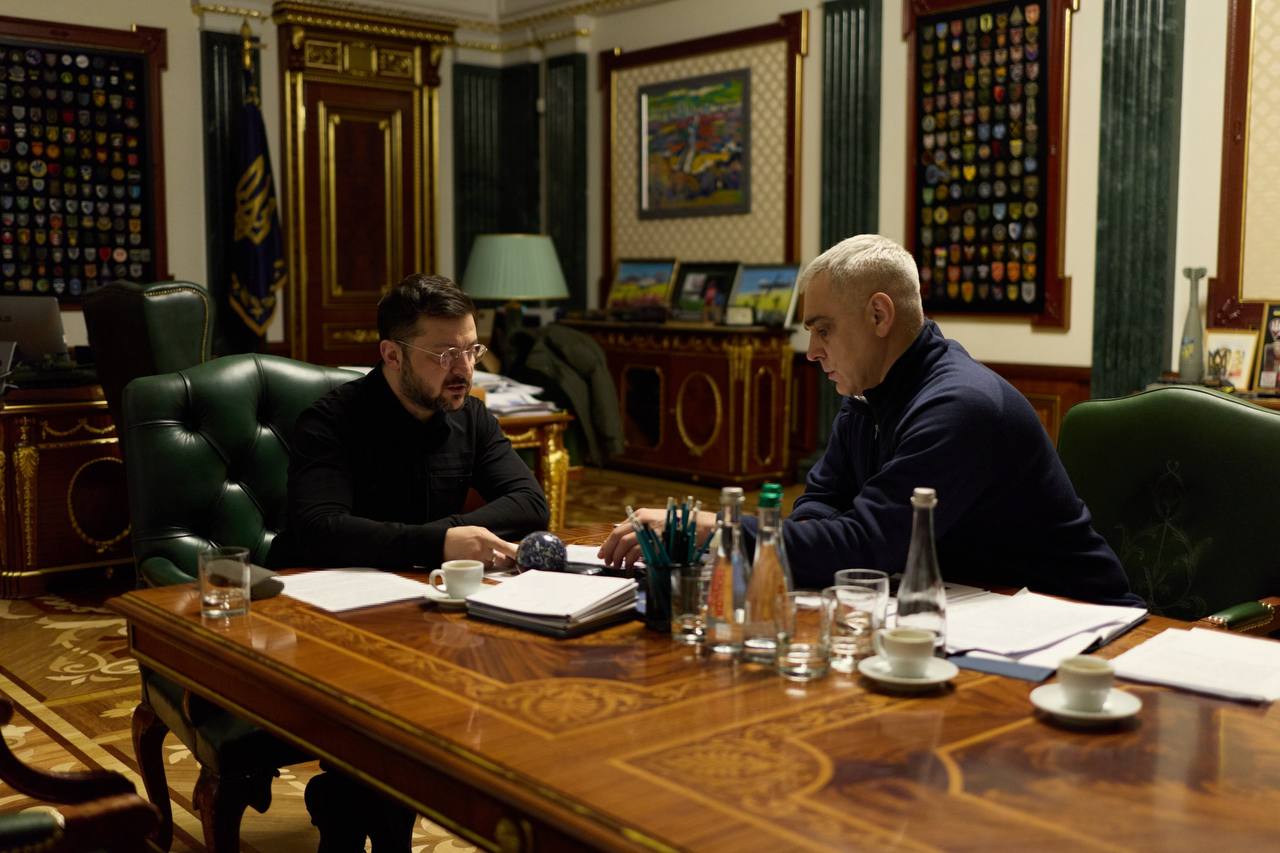
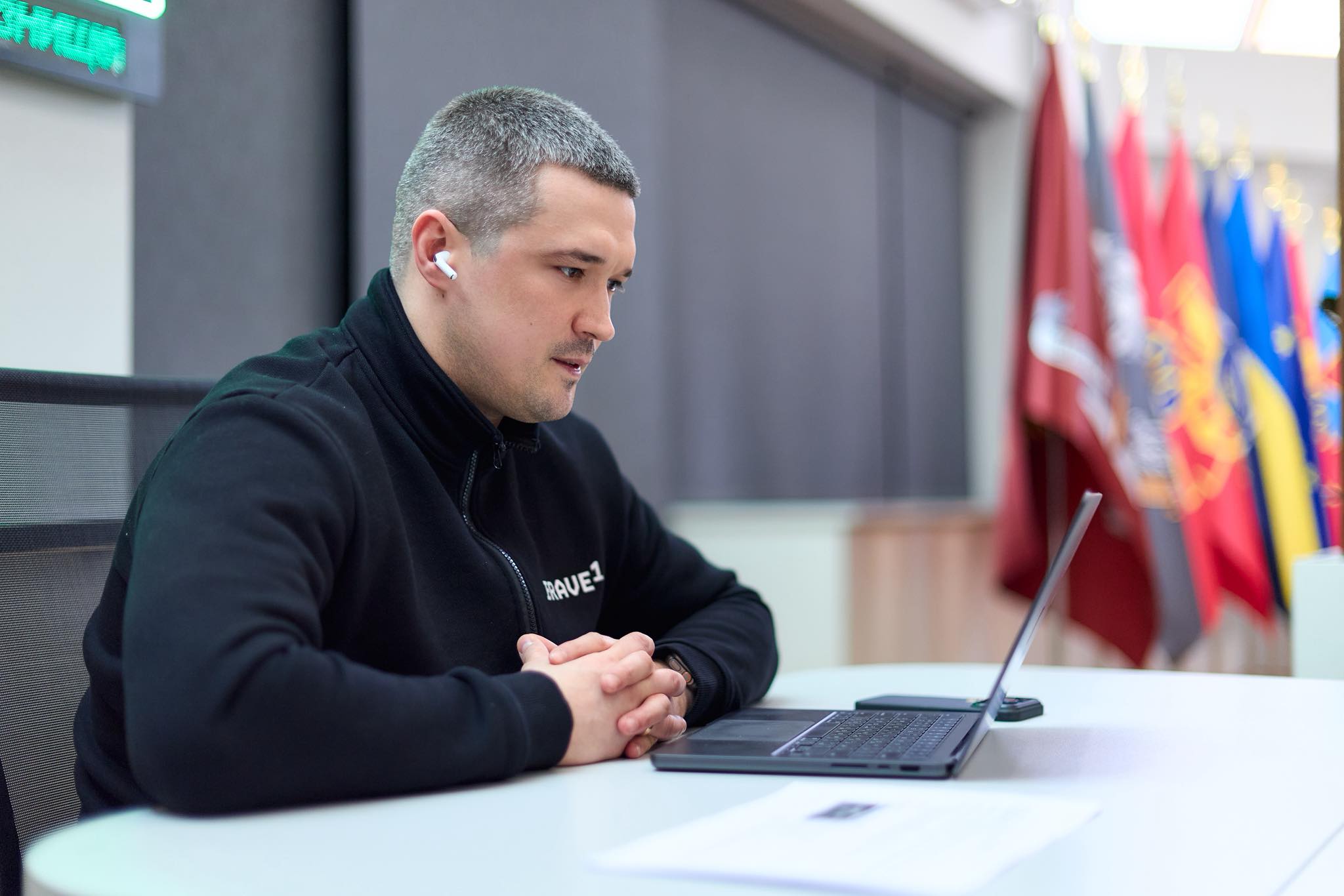
In a dramatic revelation that has sent shockwaves through Ukraine’s political and military establishment, Acting Defense Minister Mykhailo Fedorov has publicly accused Commander-in-Chief Oleksandr Syrskyi of issuing ultimatums and engaging in behind-the-scenes maneuvering. Fedorov’s explosive statements shed light on deep tensions within Ukraine’s military leadership at a critical moment in the ongoing conflict with Russia. According to the acting minister, his attempts to remove Syrskyi from his position were ultimately blocked, raising serious questions about power dynamics within Ukraine’s defense apparatus.
The Conflict Between Fedorov and Syrskyi Explained
Mykhailo Fedorov, who has been serving as acting defense minister while also maintaining his role as Minister of Digital Transformation, provided detailed explanations for his push to remove Syrskyi from command. The conflict reportedly stems from fundamental disagreements over military strategy, resource allocation, and command structure. Fedorov alleged that Syrskyi presented him with ultimatums regarding key decisions, creating an untenable situation within the defense ministry. The acting minister characterized these actions as “intrigues” that undermined effective military governance during wartime.
The tension between civilian defense leadership and military command is not unprecedented in Ukraine’s recent history. Since the full-scale Russian invasion began in February 2022, Ukraine has navigated complex relationships between political leaders and military commanders. Oleksandr Syrskyi, who was appointed Commander-in-Chief in February 2024, replacing the highly popular Valerii Zaluzhnyi, has faced scrutiny from various quarters. His appointment itself was controversial, as Zaluzhnyi had become a national hero and his removal sparked public debate about the direction of Ukraine’s military strategy.
Historical Context of Military-Political Relations in Ukraine
The relationship between Ukraine’s civilian government and military leadership has evolved significantly since independence in 1991, but has been particularly tested during the ongoing war. President Volodymyr Zelensky has maintained ultimate authority over military matters, but the day-to-day coordination between the defense ministry and the armed forces command requires delicate balance. Previous defense ministers, including Oleksii Reznikov, who served from 2021 to 2023, navigated similar challenges in coordinating with military leadership while managing international partnerships and weapons procurement.
Fedorov’s revelation that his attempt to replace Syrskyi was blocked suggests intervention from higher authorities, most likely President Zelensky himself. This indicates that despite internal conflicts, the president has chosen to maintain stability in military command rather than risk another high-profile leadership change. The decision reflects the delicate calculus facing Ukrainian leadership: balancing internal governance concerns against the need for continuity during active combat operations. International partners, particularly the United States and European allies, have consistently emphasized the importance of stable leadership in their continued support for Ukraine.
Implications for Ukraine’s Military Strategy and International Support
The public airing of these grievances raises concerns about the cohesion of Ukraine’s defense establishment at a crucial juncture. Western military analysts have noted that internal conflicts within command structures can negatively impact operational effectiveness. However, some experts suggest that such tensions are normal in any military organization under extreme pressure, and that Ukraine’s forces have demonstrated remarkable adaptability despite internal disagreements. The key question remains whether these conflicts affect battlefield performance or remain confined to administrative disputes.
Looking ahead, the relationship between Fedorov and Syrskyi will likely require mediation from President Zelensky to ensure effective cooperation. The acting defense minister’s public statements may have been calculated to bring attention to genuine concerns about command structure, or they may reflect deeper political maneuvering within Ukraine’s government. Either way, the revelation underscores the immense pressure facing Ukraine’s leadership as they continue to defend against Russian aggression while managing complex internal dynamics. International observers will be watching closely to see how these tensions are resolved and whether they impact Ukraine’s military effectiveness in the months ahead.
Expert Opinion: The public confrontation between Fedorov and Syrskyi reveals systemic stress within Ukraine’s defense establishment that typically remains hidden from public view. This transparency, while potentially destabilizing in the short term, may ultimately force necessary reforms in civil-military relations. The key indicator to watch will be whether operational decisions become politicized or whether Ukraine can maintain the tactical flexibility that has been crucial to its defensive success.